Would you hand over your house keys to a stranger without checking their background first? That’s essentially what happens when a business signs a vendor contract, merges with another company, or installs new software without proper vetting. Due diligence is the structured investigation process that prevents exactly this kind of blind trust — and in a world where a single unchecked vulnerability can lead to a data breach costing millions, understanding what due diligence means has never been more critical for internet security.
In this guide, we’ll break down what due diligence is, why it matters for cybersecurity, the different types your organization should know about, and a practical checklist you can start using today.
What is Due Diligence?
At its core, due diligence is the process of researching, verifying, and evaluating a person, company, system, or transaction before committing to it. The term originated in the legal and financial world, where investors and buyers were expected to perform “diligent” checks before closing a deal. Today, the concept has expanded well beyond finance — and cybersecurity is one of its most important modern applications.
In an online security context, due diligence means assessing the security posture, risk exposure, and compliance status of a system, vendor, or organization before trusting it with sensitive data or network access. It answers a simple but essential question: is this safe to connect with?
Why Due Diligence Matters for Cybersecurity
Cyberattacks rarely start with the company that gets breached — they often start with a weak link in that company’s supply chain. Third-party vendors, outdated software, and unvetted partners are common entry points for attackers. Skipping due diligence checks can mean:
- Inheriting a vendor’s unpatched vulnerabilities
- Violating data protection regulations without realizing it
- Losing customer trust after a preventable breach
- Facing costly legal and financial consequences
Performing thorough due diligence isn’t just a compliance box to check — it’s a frontline defense strategy that reduces risk before it ever reaches your network.
Types of Due Diligence in Internet Security
Not all due diligence looks the same. Depending on the situation, organizations typically rely on a few key types.
Cybersecurity Due Diligence
This involves evaluating an organization’s security controls, infrastructure, and past incident history. It typically includes reviewing firewalls, endpoint protection, access controls, encryption practices, and incident response plans. Cybersecurity due diligence is essential during mergers and acquisitions, since inheriting a poorly secured company can expose the acquiring business to the target’s existing threats.
Vendor and Third-Party Due Diligence
Before onboarding a new software vendor, cloud provider, or contractor, security teams should assess how that third party handles data. This includes reviewing their compliance certifications (such as SOC 2 or ISO 27001), data storage practices, and breach history. Third-party risk is one of the fastest-growing attack surfaces, making vendor due diligence a non-negotiable step in modern procurement.
IT and Technical Due Diligence
This type focuses on the technical health of systems — outdated software, unpatched servers, weak authentication protocols, and legacy infrastructure. It’s especially relevant when evaluating a new technology partner or acquiring a company with its own IT ecosystem.
Regulatory and Compliance Due Diligence
Organizations operating in regulated industries (healthcare, finance, government contracting) must confirm that partners and vendors comply with relevant standards like HIPAA, GDPR, or PCI-DSS. Failing to verify compliance can result in fines even if your own systems were never compromised.
How to Conduct Due Diligence: A Step-by-Step Process
Knowing what due diligence is matters less than knowing how to actually perform it. Here’s a practical framework:
- Define the scope. Identify what you’re evaluating — a vendor, a merger target, or a new software tool — and what risks matter most (data privacy, uptime, financial stability).
- Gather documentation. Request security policies, audit reports, compliance certifications, and past incident disclosures.
- Assess technical controls. Review firewalls, endpoint security, encryption standards, and patch management practices.
- Check historical performance. Look into any past data breaches, lawsuits, or regulatory penalties tied to the organization.
- Interview key stakeholders. Speak directly with IT and security leadership to validate what’s on paper.
- Score and document risk. Create a formal risk assessment report that can guide decision-making and be referenced later.
- Monitor continuously. Due diligence isn’t a one-time event — ongoing monitoring catches new risks that emerge after onboarding.
Common Due Diligence Mistakes to Avoid
Even experienced teams fall into these traps:
- Treating it as a formality. Rushing through checklists without real analysis defeats the purpose.
- Ignoring fourth-party risk. Your vendor’s vendors can also introduce vulnerabilities.
- Relying only on self-reported data. Independent verification matters — don’t just take a vendor’s word for it.
- Skipping follow-up reviews. Security postures change; a one-time check isn’t enough.
- Underestimating human factors. Weak employee security awareness is often a bigger risk than any technical flaw.
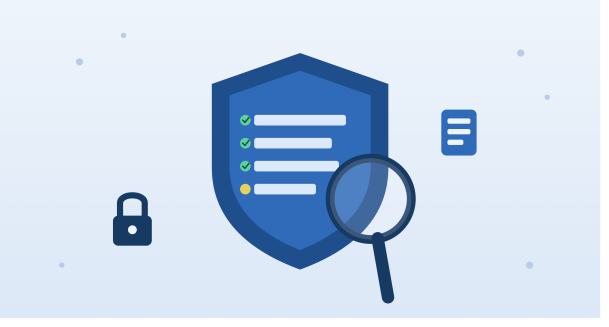
Due Diligence Checklist for Cybersecurity Teams
Use this quick-reference checklist before any major partnership, acquisition, or software adoption:
- ✅ Request recent security audit reports
- ✅ Confirm compliance certifications (SOC 2, ISO 27001, GDPR, etc.)
- ✅ Review incident response and breach history
- ✅ Evaluate data encryption and storage practices
- ✅ Assess access control and authentication policies
- ✅ Identify subcontractors or fourth-party dependencies
- ✅ Schedule periodic reassessments after onboarding
Frequently Asked Questions
1. What is due diligence in simple terms?
Due diligence is the process of thoroughly researching and verifying a person, company, or system before entering into an agreement or transaction with them, in order to identify risks in advance.
2. Why is due diligence important in cybersecurity?
It helps organizations identify hidden vulnerabilities, compliance gaps, and past security incidents in vendors or partners before granting them access to sensitive systems or data — reducing the chance of inheriting a breach.
3. What’s the difference between due diligence and a security audit?
A security audit evaluates your own organization’s systems and controls. Due diligence, on the other hand, evaluates an external party — such as a vendor, partner, or acquisition target — before you engage with them.
4. How often should due diligence be performed?
Initial due diligence should happen before onboarding any new vendor or partner, with follow-up reviews conducted at least annually or whenever there’s a significant change in the relationship or the threat landscape.
5. Who is responsible for due diligence in an organization?
Typically, IT security teams, compliance officers, legal departments, and procurement teams collaborate on due diligence, especially for high-risk vendors or major transactions like mergers and acquisitions.
Protect Your Organization with the Right Due Diligence Partner
Understanding what due diligence is is only the first step — putting it into practice consistently is what actually protects your organization from preventable breaches. With the right tools and threat intelligence in place, due diligence becomes faster, more accurate, and far less resource-intensive.
Ready to strengthen your security posture?
Request a demo with Xcitium today and see how proactive cybersecurity due diligence can safeguard your business.
Please give us a star rating based on your experience.


 (12 votes, average: 2.42 out of 5, rated)