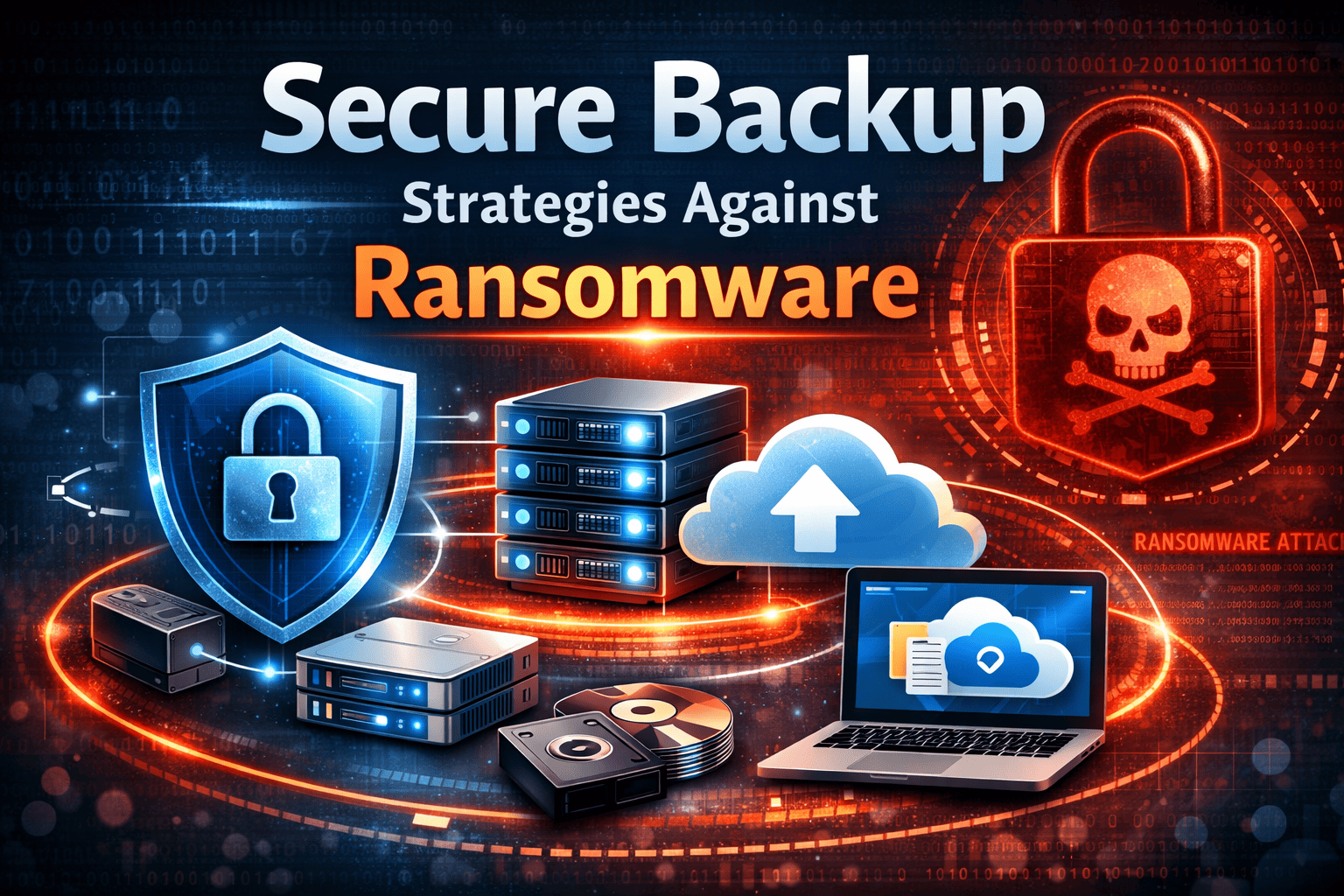
Secure Backup Strategies Against Ransomware
Updated on February 25, 2026, by Xcitium
What would happen if your company’s data suddenly became inaccessible tomorrow? Ransomware attacks continue to cripple businesses of all sizes, locking critical files and demanding payment for decryption keys. Many organizations discover too late that their backup systems were incomplete, outdated, or compromised.
That’s why implementing secure backup strategies against ransomware is no longer optional—it’s a core pillar of modern cybersecurity. For IT managers, cybersecurity teams, CEOs, and founders, having a reliable and secure backup plan can mean the difference between quick recovery and catastrophic loss.
In this comprehensive guide, we’ll explore how ransomware targets backup systems, the most effective secure backup strategies against ransomware, and how to build a resilient recovery framework.
Why Ransomware Targets Backup Systems
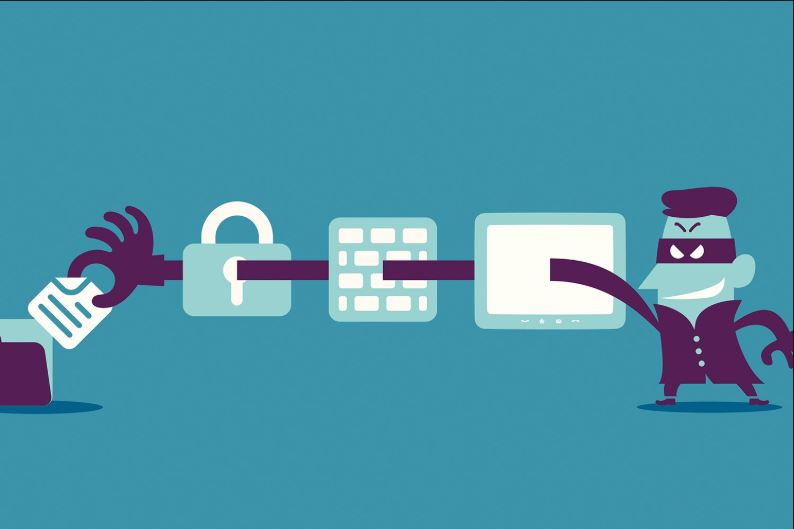
Ransomware attackers understand one simple truth: backups are the fastest way for organizations to recover without paying ransom. As a result, modern ransomware campaigns often target backup repositories before encrypting primary systems.
Common Ransomware Tactics
Attackers typically:
-
Gain initial access through phishing or credential theft
-
Escalate privileges
-
Disable backup services
-
Delete or encrypt backup files
-
Exfiltrate sensitive data for double extortion
Without secure backup strategies against ransomware, recovery becomes far more difficult.
The Cost of Inadequate Backup Protection
Organizations that lack strong backup protection face:
-
Extended downtime
-
Data loss
-
Regulatory penalties
-
Reputation damage
-
Financial loss from ransom payments
Secure backup strategies against ransomware reduce these risks significantly.
Core Principles of Secure Backup Strategies Against Ransomware
Building resilience requires more than simple file duplication. It demands layered, strategic planning.
1. Follow the 3-2-1 Backup Rule
The 3-2-1 rule remains foundational to secure backup strategies against ransomware.
The Rule Explained
-
Keep 3 copies of your data
-
Store copies on 2 different media types
-
Maintain 1 copy offsite or offline
This approach ensures redundancy even if one location is compromised.
2. Use Immutable Backups
Immutable backups cannot be modified or deleted for a defined period.
Why Immutability Matters
-
Prevents ransomware from encrypting backup data
-
Protects against accidental deletion
-
Ensures clean recovery points
Modern cloud providers offer immutable storage options that strengthen secure backup strategies against ransomware.
3. Maintain Offline (Air-Gapped) Backups
Air-gapped backups are physically or logically separated from the main network.
Benefits include:
-
Protection from network-based attacks
-
Reduced risk of lateral movement
-
Independent recovery capability
Secure backup strategies against ransomware should always include at least one air-gapped copy.
4. Encrypt Backup Data
Encryption protects sensitive data during storage and transmission.
Secure backup strategies against ransomware require:
-
Encryption at rest
-
Encryption in transit
-
Secure key management
Encryption prevents unauthorized access even if data is stolen.
Advanced Secure Backup Strategies Against Ransomware
Basic backups are not enough in today’s threat landscape. Organizations need advanced measures.
Implement Role-Based Access Control (RBAC)
Limit who can modify or delete backups.
Key steps:
-
Enforce least privilege access
-
Separate backup administration from general IT roles
-
Monitor privileged account activity
Access control prevents insider misuse.
Monitor Backup Activity in Real Time
Suspicious activity targeting backups may signal an attack.
Use monitoring tools to detect:
-
Unusual deletion attempts
-
Sudden configuration changes
-
Unauthorized access
Continuous monitoring strengthens secure backup strategies against ransomware.
Test Backup Restoration Regularly
A backup is only valuable if it works.
Conduct periodic restoration tests to:
-
Validate recovery times
-
Ensure data integrity
-
Identify configuration gaps
Testing reduces recovery surprises during real incidents.
Automate Backup Processes
Manual backups increase the risk of oversight.
Automation ensures:
-
Consistent scheduling
-
Reduced human error
-
Faster recovery
Automation enhances reliability.
Cloud Backup Security Considerations
As organizations migrate to the cloud, secure backup strategies against ransomware must adapt.
Protect SaaS Applications
Many SaaS platforms do not guarantee full data recovery.
Implement independent backups for:
-
Microsoft 365
-
Google Workspace
-
CRM systems
-
Cloud storage platforms
Third-party backup solutions provide additional protection.
Secure Hybrid Environments
Hybrid environments combine on-premises and cloud systems.
Ensure secure backup strategies against ransomware cover:
-
Virtual machines
-
Cloud workloads
-
On-premise databases
-
Endpoint devices
Comprehensive coverage prevents gaps.
Integrating Backup with Incident Response Plans
Secure backup strategies against ransomware should align with broader incident response planning.
Define Recovery Time Objectives (RTO)
Determine how quickly systems must be restored.
Establish Recovery Point Objectives (RPO)
Define acceptable data loss limits.
Assign Clear Roles
Ensure team members understand responsibilities during recovery.
Document Escalation Procedures
Clarity reduces confusion during crisis response.
Industry-Specific Backup Considerations
Different industries face unique challenges.
Healthcare
Healthcare organizations must protect patient data and comply with HIPAA regulations.
Financial Services
Financial institutions require rapid recovery to maintain customer trust.
Manufacturing
Operational technology (OT) systems need secure backups to prevent production downtime.
Retail
Retailers must safeguard transaction records and customer information.
Common Mistakes in Backup Security
Avoid these pitfalls:
-
Storing backups on the same network as production systems
-
Neglecting backup monitoring
-
Failing to encrypt data
-
Ignoring access controls
-
Skipping regular restoration tests
Secure backup strategies against ransomware demand discipline and consistency.
The Role of Zero Trust in Backup Protection
Zero Trust architecture strengthens backup systems by:
-
Verifying every access request
-
Restricting administrative privileges
-
Monitoring activity continuously
-
Segmenting backup environments
Zero Trust reduces internal and external threats.
Emerging Trends in Backup Security
Future-focused organizations are adopting:
-
AI-powered anomaly detection
-
Automated threat isolation
-
Immutable cloud storage
-
Blockchain-based integrity verification
Secure backup strategies against ransomware continue evolving.
Frequently Asked Questions (FAQs)
1. What is the most effective secure backup strategy against ransomware?
The 3-2-1 rule combined with immutable and offline backups provides strong protection.
2. Can ransomware encrypt cloud backups?
Yes, if access controls are weak. Immutable and air-gapped backups prevent encryption.
3. How often should backups be tested?
Organizations should test restoration processes quarterly or after major infrastructure changes.
4. Is paying ransom a viable backup strategy?
No. Paying ransom does not guarantee data recovery and may encourage further attacks.
5. Do small businesses need advanced backup strategies?
Absolutely. Small businesses are frequent ransomware targets and benefit greatly from secure backup strategies against ransomware.
Final Thoughts: Build Resilience Before an Attack Strikes
Ransomware attacks are increasing in sophistication and frequency. Organizations that rely solely on basic backups risk prolonged downtime and financial loss. By implementing secure backup strategies against ransomware—including immutability, encryption, air-gapped storage, and continuous monitoring—you create a strong safety net.
Preparedness transforms ransomware from a business-ending event into a manageable disruption.
Don’t wait for an attack to test your defenses.
👉 Request a demo today and discover how advanced cybersecurity solutions can strengthen your backup and ransomware protection strategy:
https://www.xcitium.com/request-demo/
Protect your data. Ensure rapid recovery. Strengthen your cyber resilience.