How Do You Rename a File? A Complete Guide for Everyday and Enterprise Use
Updated on February 6, 2026, by Xcitium
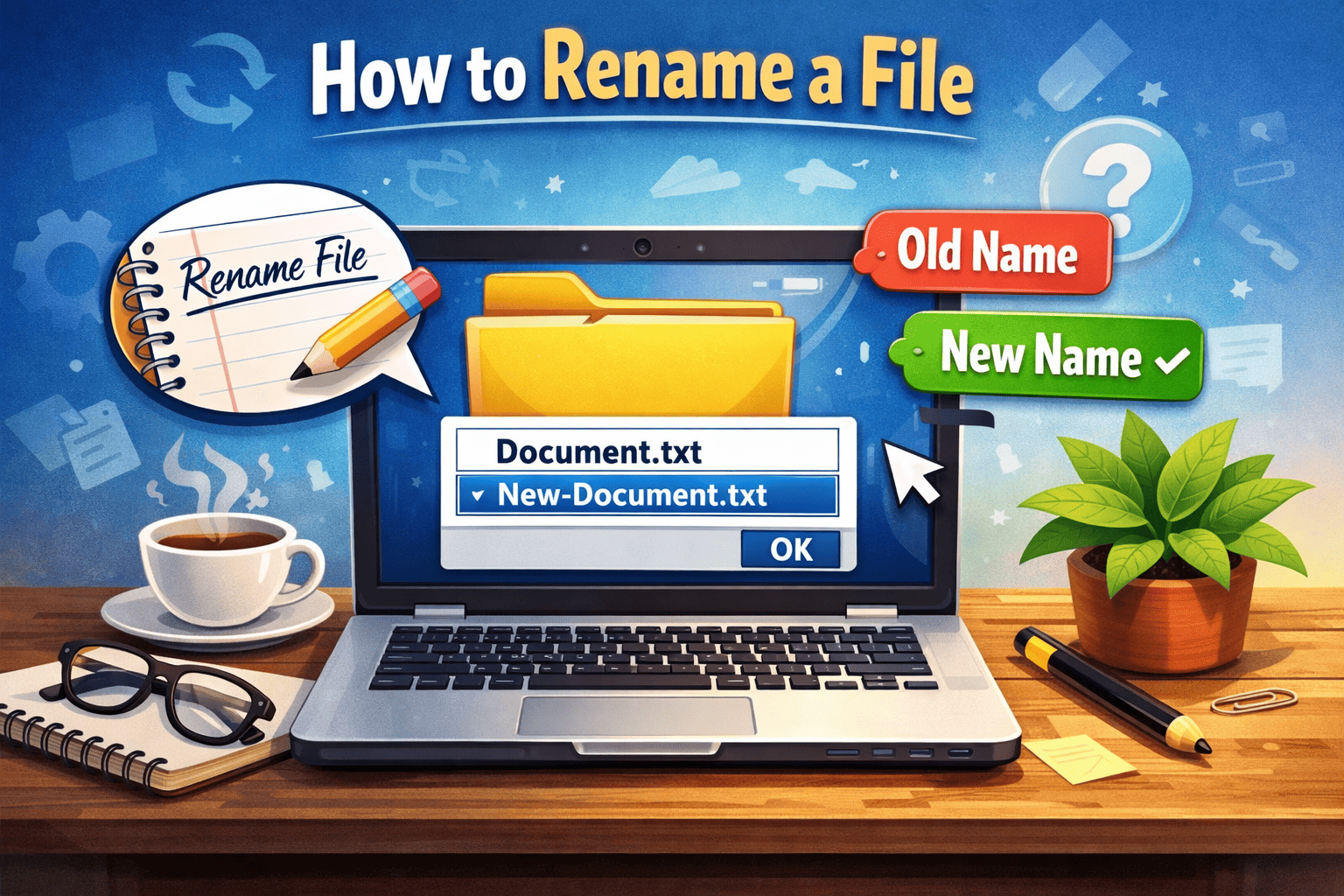
Have you ever opened a folder full of files and had no idea what half of them were for? If so, you’ve already felt the impact of poor file naming. Knowing how do you rename a file is one of the simplest yet most powerful ways to stay organized, improve productivity, and reduce mistakes—especially in professional and security-focused environments.
Renaming files isn’t just about aesthetics. Clear file names help teams collaborate, support audits, improve searchability, and prevent accidental data loss. In this guide, we’ll explain how to rename a file across operating systems, explore advanced methods, highlight best practices, and explain why proper file naming matters more than you might think.
What Does It Mean to Rename a File?
Before diving into how do you rename a file, let’s clarify what renaming actually does.
Renaming a file simply changes its name—not its contents. The file remains the same, but a clearer or more descriptive name makes it easier to identify and manage. This applies to documents, images, spreadsheets, logs, scripts, and more.
Renaming files is commonly used to:
-
Improve organization
-
Reflect updated content
-
Match naming standards
-
Avoid confusion or duplication
It’s a small action with a big impact.
Why Renaming Files Matters More Than You Think
Understanding how do you rename a file is important because file names play a critical role in efficiency and security.
Benefits of proper file naming:
-
Faster file retrieval
-
Reduced duplication
-
Clearer collaboration
-
Easier backups and audits
-
Better compliance and documentation
In enterprise environments, consistent file naming can prevent costly mistakes and miscommunication.
How Do You Rename a File on Windows?
If you’re using Windows, there are several easy ways to rename a file.
Method 1: Right-Click Rename
-
Locate the file
-
Right-click on it
-
Select Rename
-
Type the new name and press Enter
This is the most common and beginner-friendly method.
Method 2: Keyboard Shortcut
-
Click the file once
-
Press F2
-
Enter the new name
-
Press Enter
This is faster for users who rename files frequently.
Method 3: File Explorer Ribbon
-
Open File Explorer
-
Select the file
-
Click Rename from the toolbar
-
Enter the new name
This method is helpful for users who prefer visual menus.
How Do You Rename a File on macOS?
macOS offers similar options with a slightly different interface.
Method 1: Right-Click (Control-Click)
-
Locate the file
-
Right-click or Control-click
-
Select Rename
-
Enter the new name
Method 2: Click-Pause-Click
-
Click the file once
-
Pause briefly
-
Click the name again
-
Type the new name
This method feels natural for many Mac users.
Method 3: Batch Rename (macOS Exclusive)
macOS allows batch renaming multiple files at once.
You can:
-
Add numbers
-
Replace text
-
Format names consistently
This is extremely useful for organizing large file collections.
How Do You Rename a File on Linux?
Linux users often prefer command-line tools, though graphical options also exist.
Method 1: File Manager
Most Linux file managers allow:
-
Right-click → Rename
-
Click-pause-click
Method 2: Command Line (mv Command)
This method is fast, scriptable, and widely used by administrators.
Method 3: Bulk Renaming Tools
Linux supports powerful bulk rename utilities that handle:
-
Patterns
-
Extensions
-
Automated renaming
These tools are ideal for advanced users.
How Do You Rename Multiple Files at Once?
Renaming files one by one can be time-consuming. Bulk renaming saves time and reduces errors.
Common bulk rename methods:
-
Windows File Explorer (select multiple → Rename)
-
macOS Finder batch rename
-
Command-line scripts
-
Dedicated file management tools
Bulk renaming is essential in enterprise and creative workflows.
Common File Renaming Mistakes to Avoid
While learning how do you rename a file is simple, mistakes can cause problems.
Avoid these common errors:
-
Removing file extensions accidentally
-
Using unclear or generic names
-
Overwriting existing files
-
Ignoring naming standards
-
Using unsupported characters
Small mistakes can lead to broken applications or lost data.
File Extensions: Why They Matter
When renaming files, file extensions deserve special attention.
Examples:
-
.docx -
.pdf -
.jpg -
.log
Changing or removing extensions can prevent files from opening correctly. Always rename the file name—not the extension—unless you know exactly what you’re doing.
File Naming Best Practices for Professionals
Knowing how do you rename a file is only half the story. Naming files well is what makes the difference.
Best practices include:
-
Use descriptive names
-
Avoid spaces or special characters
-
Include dates (YYYY-MM-DD format)
-
Use consistent naming patterns
-
Keep names concise but clear
These practices improve clarity and collaboration.
File Renaming and Cybersecurity
File naming also impacts security and compliance.
Why renaming matters for security:
-
Clear logs aid investigations
-
Accurate filenames support audits
-
Misnamed files can be overlooked
-
Consistency improves monitoring
In regulated industries, file naming is often part of compliance requirements.
Renaming Files in Business and Enterprise Environments
In organizations, file renaming is often governed by policies.
Enterprise file naming often includes:
-
Project or department codes
-
Version numbers
-
Owner identifiers
-
Date stamps
These conventions reduce confusion and improve accountability.
Renaming Files in Cloud Storage Platforms
Cloud platforms like OneDrive, Google Drive, and SharePoint support easy renaming.
Benefits of renaming files in the cloud:
-
Instant updates across teams
-
Improved searchability
-
Reduced version conflicts
However, shared environments require extra care to avoid overwriting someone else’s work.
Automation and File Renaming
Advanced users automate renaming tasks.
Automation tools can:
-
Rename files based on rules
-
Process large datasets
-
Reduce human error
-
Improve consistency
Automation is especially useful for logs, backups, and media files.
FAQs: How Do You Rename a File?
1. How do you rename a file safely?
Use built-in operating system tools and avoid changing file extensions unless necessary.
2. Can renaming a file damage it?
No. Renaming does not change file contents, but changing extensions may cause issues.
3. Why can’t I rename a file?
The file may be open, locked, or you may lack permission.
4. Is it possible to rename files in bulk?
Yes. Most operating systems support batch renaming.
5. Does renaming files help organization?
Absolutely. Clear names improve productivity, collaboration, and security.
Final Thoughts: Why File Renaming Is a Foundational Skill
Understanding how do you rename a file may seem basic, but it plays a major role in organization, efficiency, and security. Clear file names reduce friction, prevent errors, and make systems easier to manage.
Whether you’re an individual user or managing enterprise systems, mastering file renaming is a simple habit with lasting benefits.
Take the Next Step Toward Better Visibility and Control
Want better visibility, organization, and control across your digital environment?
👉 Request a demo today:
https://www.xcitium.com/request-demo/
Discover how advanced visibility and security solutions help organizations manage data more effectively.