Granite School District Data Breach: A Wake-Up Call for Enhanced Cybersecurity in Educational Institution
Updated on November 27, 2024, by Xcitium

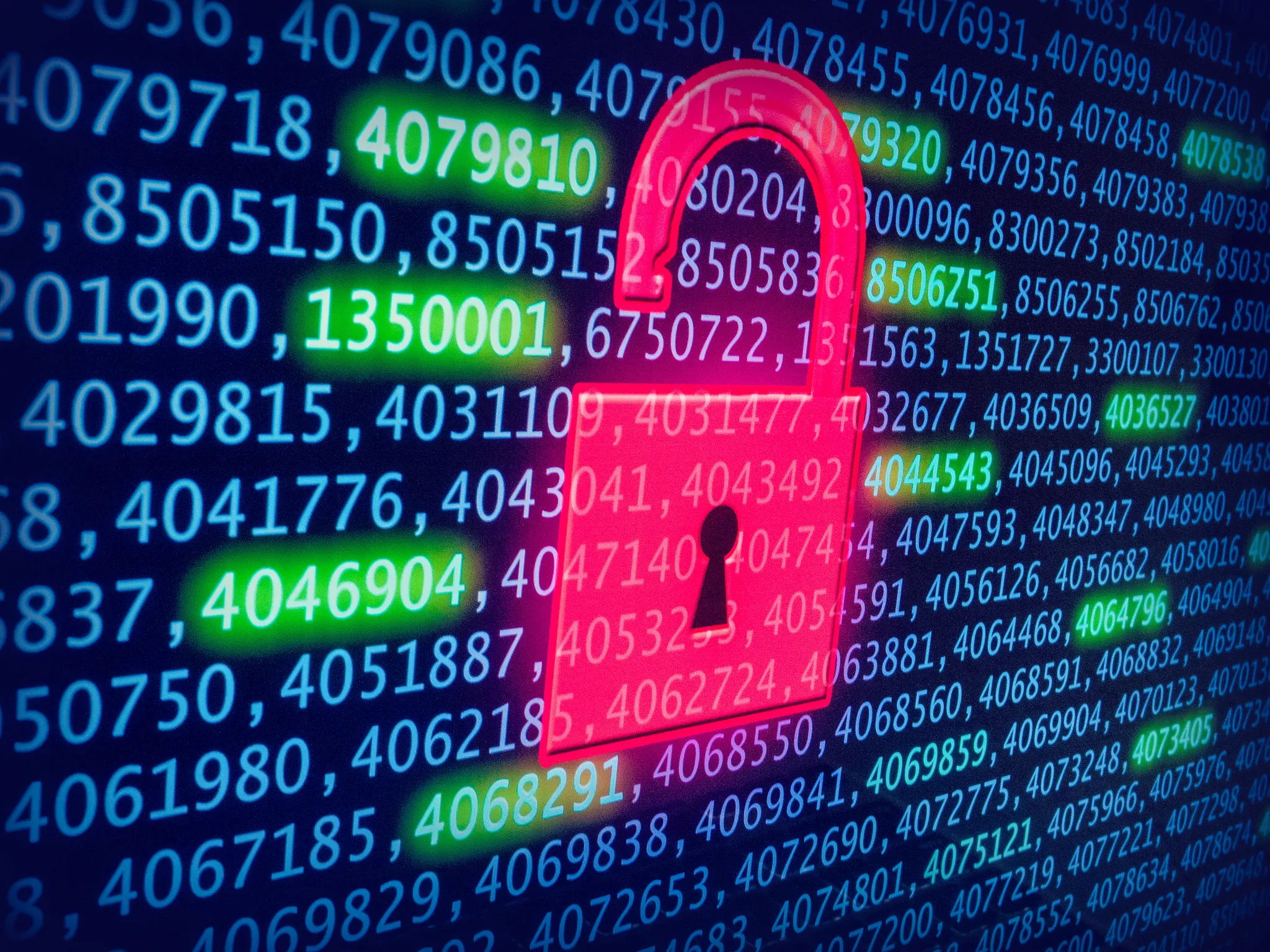
In a recent incident, the Granite School District experienced a significant data breach, compromising the personal information of all its employees, including Social Security numbers and bank account details. This breach, which occurred earlier this fall, has raised serious concerns about the cybersecurity measures in place within educational institutions. As schools increasingly rely on digital systems to manage sensitive information, the need for robust cybersecurity protocols has never been more critical.
The Incident: A Closer Look
The breach was discovered approximately a month ago, prompting the district to alert parents and staff immediately. Officials are still investigating the specifics of the breach, including the type of data that was compromised. Cybersecurity expert George Kounalis reported finding over two terabytes of stolen data from the district on the dark web, including passport photos and W-9 forms.
In response, the district has urged all employees to contact their banks to determine the best course of action. This breach has caused significant stress and frustration among employees and patrons, especially leading up to the holiday season.
The Growing Threat Landscape in Education
Educational institutions have become increasingly attractive targets for cybercriminals. The Granite School District breach is part of a broader trend where ransomware groups are targeting school districts and healthcare facilities, recognizing that these organizations often have limited cybersecurity resources.
According to a report by Comparitech, there have been 2,691 data breaches at educational institutions since 2005, affecting nearly 32 million individual records. The majority of these breaches have impacted postsecondary institutions, but K-12 schools are also at significant risk.
The Need for Proactive Cybersecurity Measures
The Granite School District breach underscores the urgent need for educational institutions to adopt proactive cybersecurity strategies. Traditional, reactive approaches are no longer sufficient to protect against sophisticated cyber threats. Implementing a Zero Trust security model, which operates on the principle of “never trust, always verify,” can help ensure that only authenticated and authorized users have access to sensitive data.
Additionally, containment and virtualized execution technologies can isolate suspicious files and code and prevent their execution from achieving their adversarial objectives. This approach prevents malware from spreading within a network but does not negatively impact system performance or end user experience, minimizing potential damage.
The Role of Government and Legislation
While cybersecurity is primarily a technological challenge, it also requires strong governance and regulatory frameworks. The breach in the Granite School District has prompted discussions about the adequacy of existing data protection laws and the need for stricter enforcement. Government agencies must ensure compliance with regulations like the Family Educational Rights and Privacy Act (FERPA), which protects the privacy of student records.
In addition to compliance, governments should invest in cybersecurity education and awareness campaigns to help educational institutions understand the importance of data protection and recognize potential threats. Collaboration between public and private sectors is also essential to share threat intelligence, develop best practices, and create a united front against cybercriminals.
How Xcitium Could Have Helped
Xcitium offers advanced cybersecurity solutions tailored to address the growing challenges of data breaches and protect sensitive information. Xcitium’s ZeroDwell Containment technology is designed to neutralize threats in real time, preventing malware and other malicious software from executing and causing harm. This proactive approach ensures that sensitive data remains protected, even when attackers attempt to exploit vulnerabilities within the network.
Built on the principles of Zero Trust, Xcitium’s platform continuously verifies the legitimacy of every unknown file, ensuring that only safe files can interact with critical systems and data. This model not only enhances security but also aligns with data protection regulations like FERPA, making it an ideal solution for educational institutions seeking compliance and robust security.
With Xcitium, educational institutions can achieve a higher level of protection, ensuring that sensitive information remains secure even in the face of sophisticated cyber threats. By focusing on prevention and real-time containment, Xcitium helps protect public trust and maintain the integrity of digital infrastructure.
Conclusion: Strengthening Cybersecurity in Education
The data breach affecting the Granite School District highlights the urgent need for stronger cybersecurity measures in educational institutions. As cybercriminals continue to target sensitive information, schools must adopt proactive security strategies that go beyond traditional defenses.
Xcitium’s solutions offer the advanced tools and technologies needed to prevent data breaches and protect sensitive information. By implementing Zero Trust, containment technology, and compliance-focused solutions, educational institutions can better defend against today’s most complex cyber threats. Protecting student and employee data is not just a technological challenge—it is a fundamental responsibility that requires vigilance, collaboration, and innovation.