AI Model Poisoning Attacks Explained
Updated on March 3, 2026, by Xcitium

Artificial intelligence is transforming cybersecurity, healthcare, finance, and nearly every modern industry. But what happens when attackers target the AI models themselves?
Recent studies show that machine learning systems can be manipulated with surprisingly small amounts of malicious data. In some cases, injecting less than 1% of poisoned data into a training dataset can significantly degrade model performance or create hidden backdoors.
AI Model Poisoning Attacks Explained: This growing threat is known as an AI model poisoning attack — and it poses serious risks to organizations relying on machine learning (ML) and large language models (LLMs).
In this comprehensive guide, we’ll explain what AI model poisoning attacks are, how they work, real-world examples, and practical defense strategies to secure your AI systems.
What Is an AI Model Poisoning Attack?
An AI model poisoning attack occurs when an adversary intentionally manipulates the training data or training process of a machine learning model to influence its behavior.
Instead of attacking the system after deployment, attackers corrupt the model during development. The result? A compromised AI system that appears functional but produces biased, inaccurate, or malicious outputs.
Key Characteristics of Model Poisoning
-
Targeted manipulation of training data
-
Hidden backdoors embedded in models
-
Degraded accuracy or biased predictions
-
Hard-to-detect malicious behavior
Unlike traditional cyberattacks, model poisoning targets the intelligence layer of your system.
Why AI Model Poisoning Is Dangerous
Organizations increasingly rely on AI for:
-
Fraud detection
-
Threat detection
-
Content moderation
-
Autonomous systems
-
Healthcare diagnostics
If attackers successfully poison these systems, the consequences can include:
-
False negatives in security detection
-
Financial fraud going undetected
-
Manipulated recommendation systems
-
Compromised autonomous decisions
-
Loss of trust in AI-driven insights
AI supply chain security is now as critical as software supply chain security.
How AI Model Poisoning Attacks Work
Model poisoning attacks generally occur during the training phase, but they can also target model updates in production.
Let’s break down the process.
Types of AI Model Poisoning Attacks
There are several categories of poisoning attacks in machine learning security.
Data Poisoning Attacks
In a data poisoning attack, adversaries inject malicious data into the training dataset.
How It Happens
-
Compromised open-source datasets
-
Malicious user-generated content
-
Tampered data pipelines
-
Insider threats
Attackers subtly alter labels or inject misleading samples to skew the model’s learning process.
Example
A spam detection model is trained with mislabeled spam emails marked as legitimate. Over time, the model becomes less effective at filtering real threats.
Backdoor (Trojan) Attacks
Backdoor attacks are more targeted.
Attackers insert specific patterns or triggers into training data. The model behaves normally — until it encounters the trigger.
Example
An image classification model works correctly except when a small sticker appears in the corner of an image. When triggered, the model misclassifies the object intentionally.
Backdoor attacks are especially dangerous because they remain hidden until activated.
Label Flipping Attacks
In this attack type, attackers modify data labels without changing the input data.
For instance:
-
Malicious files labeled as safe
-
Fraudulent transactions labeled legitimate
This method degrades model accuracy and increases risk exposure.
Model Update Poisoning (Federated Learning Attacks)
In federated learning environments, multiple participants contribute model updates.
An attacker can submit malicious updates that corrupt the global model without directly accessing training data.
This threat is particularly relevant for:
-
Decentralized AI systems
-
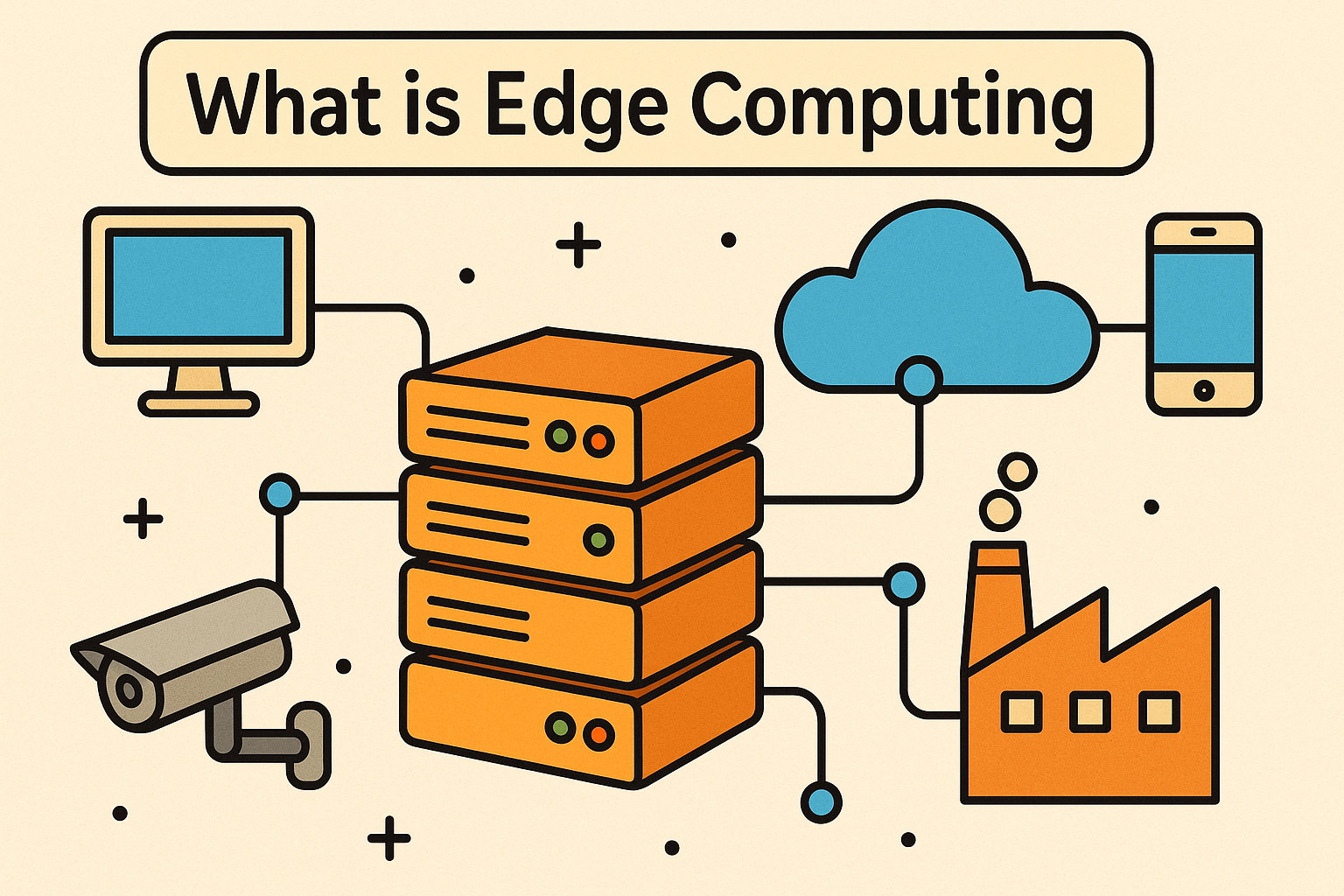
Edge computing
-
Collaborative ML environments
Real-World Scenarios of Model Poisoning
While some attacks remain theoretical, others have demonstrated real risks.
Spam Filter Manipulation
Attackers can send specially crafted emails designed to retrain filtering systems incorrectly.
Autonomous Vehicle Risks
Manipulated training images could cause misclassification of traffic signs, creating safety hazards.
Financial Fraud Systems
Poisoned datasets may weaken fraud detection algorithms, allowing attackers to bypass controls.
As AI becomes embedded in critical infrastructure, these risks escalate.
Why AI Models Are Vulnerable
AI systems are particularly susceptible to poisoning due to:
-
Heavy reliance on large datasets
-
Limited data validation controls
-
Use of third-party or open datasets
-
Automated retraining pipelines
-
Complex neural networks that lack transparency
Unlike traditional software vulnerabilities, model weaknesses often remain invisible.
Detecting AI Model Poisoning Attacks
Detection is challenging but not impossible.
Monitor Data Integrity
Implement strict validation checks for:
-
Anomalous patterns
-
Sudden data distribution shifts
-
Unusual label changes
Data lineage tracking improves traceability.
Perform Model Behavior Analysis
Look for:
-
Unexpected prediction spikes
-
Trigger-based anomalies
-
Sudden performance degradation
Continuous model evaluation is essential.
Use Adversarial Testing
Simulate attack scenarios during development to identify weaknesses before deployment.
Red-teaming AI systems improves resilience.
How to Prevent AI Model Poisoning Attacks
Preventing AI model poisoning requires a layered security approach.
Secure the Data Pipeline
Validate Data Sources
-
Use trusted, verified datasets
-
Restrict write access
-
Implement cryptographic signing
Apply Data Sanitization Techniques
Remove outliers and suspicious entries before training.
Implement Robust Access Controls
Limit access to:
-
Training datasets
-
Model repositories
-
CI/CD pipelines
-
Model retraining processes
Use role-based access control (RBAC) and multi-factor authentication.
Use Differential Privacy and Robust Training Methods
Advanced techniques can reduce the impact of malicious data:
-
Differential privacy
-
Robust statistics
-
Anomaly-resistant training algorithms
These approaches make models less sensitive to small malicious injections.
Monitor Model Drift Continuously
Drift detection tools help identify unusual changes in:
-
Prediction patterns
-
Accuracy rates
-
Data distributions
Drift may indicate poisoning attempts.
Secure the AI Supply Chain
AI security must extend beyond data.
Protect Model Artifacts
-
Sign model binaries
-
Use secure model registries
-
Track model versions
Scan Dependencies
AI frameworks and libraries must be patched regularly to avoid vulnerabilities.
AI Model Poisoning vs. Adversarial Attacks
It’s important to distinguish between these two threats.
| Model Poisoning | Adversarial Attack |
|---|---|
| Occurs during training | Occurs during inference |
| Alters model behavior permanently | Manipulates individual inputs |
| Harder to detect | Often easier to detect |
| Targets data pipeline | Targets deployed system |
Both require proactive defenses.
The Role of AI Security in Modern Cyber Defense
As organizations integrate AI into cybersecurity platforms, attackers increasingly target machine learning systems.
Securing AI models is now part of broader:
-
Cloud security
-
DevSecOps
-
Data governance
-
Zero trust strategies
Ignoring AI security creates new blind spots.
Best Practices for AI Security Teams
-
Establish AI governance frameworks
-
Conduct regular AI risk assessments
-
Audit datasets before retraining
-
Maintain strict change management
-
Integrate AI security into DevSecOps pipelines
AI security must be continuous — not reactive.
Frequently Asked Questions (FAQ)
1. What is an AI model poisoning attack?
It is an attack where malicious data is injected into the training process of a machine learning model to manipulate its behavior.
2. How is data poisoning different from adversarial attacks?
Data poisoning occurs during training, while adversarial attacks manipulate inputs during inference.
3. Can AI model poisoning be detected?
Yes, through anomaly detection, data validation, behavioral analysis, and drift monitoring.
4. Which industries are most at risk?
Finance, healthcare, autonomous systems, cybersecurity, and any organization using AI-driven decision-making systems.
5. How can organizations prevent model poisoning?
By securing data pipelines, validating datasets, implementing access controls, monitoring model behavior, and adopting robust training techniques.
Final Thoughts: Secure Your AI Before Attackers Exploit It
AI delivers powerful advantages — but it also introduces new attack surfaces. Model poisoning attacks are subtle, sophisticated, and increasingly realistic threats.
Protecting your AI systems requires more than traditional cybersecurity controls. You need visibility across your data pipelines, training environments, and runtime infrastructure.
If your organization relies on AI-driven systems, now is the time to strengthen your defenses.
👉 Request a personalized demo today:
https://www.xcitium.com/request-demo/
Secure your AI. Protect your data. Stay ahead of emerging threats.