What Is a Deep Fake? The Full 2026 Guide to AI-Generated Manipulated Media
Updated on December 2, 2025, by Xcitium
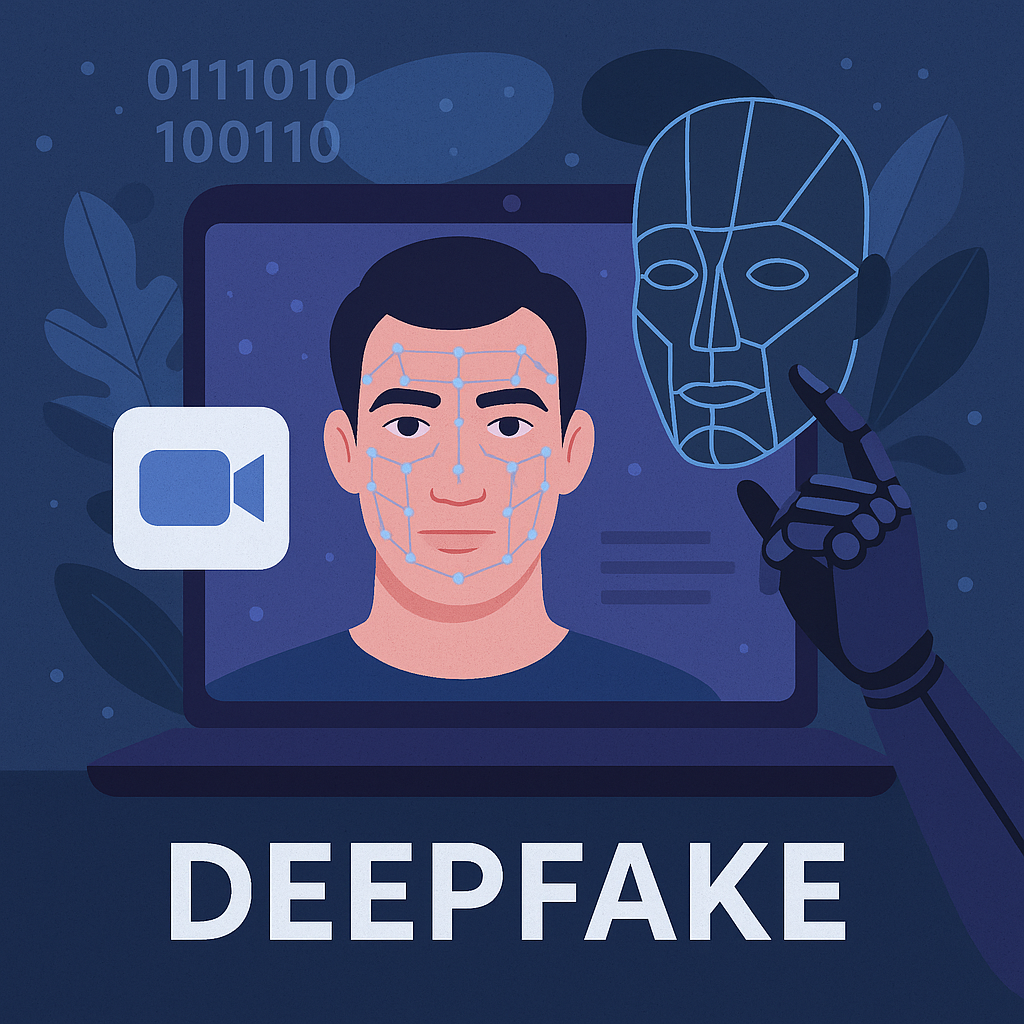
If you’re searching for what is a deep fake, you’re likely curious—or concerned—about the rapidly growing world of AI-generated synthetic media. Deepfakes are hyper-realistic videos, images, or audio clips created using artificial intelligence to make it appear that someone did or said something they never actually did. Once considered an advanced research novelty, deepfakes have become mainstream—used in entertainment, advertising, cybersecurity attacks, political misinformation, fraud, and identity theft.
Today, deepfakes pose one of the most urgent technological and cybersecurity challenges. They can be used to impersonate CEOs, manipulate elections, create financial scams, spread misinformation, and damage reputations. For IT managers, cybersecurity teams, executives, and business leaders, understanding deepfake technology is no longer optional—it’s essential.
This guide explains what a deep fake is, how it works, real-world examples, the risks, detection methods, and how to protect your organization from AI-powered deception.
What Is a Deep Fake? (Simple Definition)
A deep fake is an AI-generated synthetic media file—such as a video, image, or audio clip—that realistically mimics a real person’s appearance, voice, or actions.
Deepfakes are created using:
-
Deep learning
-
Neural networks
-
Generative adversarial networks (GANs)
-
Voice cloning models
The term “deep fake” comes from deep learning + fake content.
👉 In short, a deep fake is an AI-generated, incredibly realistic fake.
Deepfakes can manipulate:
-
Faces
-
Voices
-
Body movements
-
Speech patterns
-
Media context
They can be nearly impossible to detect without advanced tools.
Why Deepfakes Are Exploding in Popularity in 2026
Several factors have fueled the rise of deepfake content:
✔ AI models are getting better
Tools like GANs, autoencoders, and transformer models create near-perfect realism.
✔ Deepfake tools are accessible
Anyone can use free apps and websites to create deepfakes in minutes.
✔ Social media spreads them instantly
Manipulated content can reach millions before being debunked.
✔ Cybercriminals are weaponizing deepfakes
Used for scams, impersonation, and phishing.
✔ Remote work has increased digital communication
Making it easier to spoof voices and video calls.
Deepfakes have rapidly shifted from entertainment to a serious cybersecurity threat.
How Deepfakes Work (Explained Simply)
Deepfake creation uses advanced AI techniques, particularly GANs (Generative Adversarial Networks).
Here’s how it works:
1. Data Collection
The AI gathers images, videos, or audio of the person to mimic.
Sources include:
-
Social media
-
Online videos
-
Employee profiles
-
Zoom calls
2. AI Training Stage
Deep learning models analyze:
-
Facial expressions
-
Eye movements
-
Voice patterns
-
Speech timing
-
Head position
-
Lighting conditions
The AI learns to recreate these features.
3. Synthesis Stage
Using GANs:
-
Generator model creates fake content
-
Discriminator model evaluates realism
They compete until the fake becomes indistinguishable from real media.
4. Video/Audio Rendering
The final output:
-
Overlays faces
-
Replaces voices
-
Reconstructs audio
-
Mimics expressions
-
Adjusts lighting
The result resembles authentic footage—even when it is 100% fake.
Types of Deepfakes (2026 Breakdown)
Deepfake technology has evolved beyond video swapping. Here are the most common types:
1. Deepfake Video
The most well-known type—used for face swapping or manipulated speech.
2. Deepfake Audio (Voice Cloning)
AI replicates someone’s voice with just a few seconds of audio.
Used in:
-
Phone scams
-
CEO impersonation
-
Fake customer service calls
3. Deepfake Images
Ultra-realistic synthetic photos, often used in fake identities.
4. Deepfake Text
AI impersonates writing styles (CEO emails, internal memos).
5. Deepfake Live Streams
Real-time deepfake filters used during video calls.
6. Deepfake Avatars
AI-created personas with no real human behind them.
Real-World Examples of Deepfakes
Deepfakes are no longer theoretical—they’re everywhere.
1. Political Deepfakes
Manipulated political speeches or interviews spread online.
2. Deepfake CEO Fraud (Vishing)
Criminals clone the voice of a CEO to instruct employees to:
-
Transfer money
-
Share passwords
-
Approve transactions
One major company lost $243,000 in a single deepfake voice scam.
3. Celebrity Deepfakes
Fake videos used in scams, misinformation, or unauthorized advertising.
4. Fake Job Interview Scams
Cybercriminals deepfake real recruiters or executives.
5. Fake Customer Support Agents
Used to steal passwords or payments.
6. Deepfake Phishing Attacks
Emails paired with matching fake voice messages.
Why Deepfakes Are Dangerous
Understanding what is a deep fake also means understanding why they are such a threat.
1. Identity Theft
AI can impersonate:
-
Executives
-
Employees
-
Customers
-
Vendors
2. Fraud & Scams
Deepfake voices or videos trick victims into:
-
Transferring money
-
Approving wire transfers
-
Giving away credentials
3. Misinformation & Propaganda
Deepfakes can influence:
-
Elections
-
Public opinion
-
Corporate reputation
4. Blackmail & Extortion
Criminals create fake compromising videos.
5. Cybersecurity Weaknesses
Deepfakes bypass:
-
Traditional authentication
-
Voice-based biometrics
-
Visual verification
6. Damage to Brand Reputation
False statements or fake CEO messages can cause massive harm.
How to Detect a Deep Fake (2026 Techniques)
While deepfakes are increasingly realistic, some clues remain.
Visual Signs:
-
Unnatural blinking
-
Slight face warping
-
Strange shadows
-
Blurry edges
-
Misaligned earrings or glasses
Audio Signs:
-
Robotic tone
-
Unnatural pauses
-
Breath patterns inconsistent
Behavior Signs:
-
Unusual requests
-
High urgency
-
Uncharacteristic behavior
Technologically, deepfake detection tools analyze:
-
Pixel inconsistencies
-
Voice spectrograms
-
AI stitching artifacts
-
Metadata irregularities
Cybersecurity professionals use:
-
EDR
-
AI threat detection
-
Deepfake scanners
Deepfake Cybersecurity: Protecting Your Organization
Deepfake threats are especially dangerous for businesses.
Here’s how companies can protect themselves:
1. Implement Strong Verification Processes
Never approve requests based solely on voice or video.
Use:
-
MFA
-
Secure sign-off procedures
-
Identity verification
-
Callback protocols
2. Train Employees on Deepfake Awareness
Most employees don’t know deepfakes exist.
Include training on:
-
Impersonation scams
-
Fake CEO calls
-
Suspicious emails + audio messages
3. Deploy AI-Powered Threat Detection Tools
EDR/XDR can detect:
-
Suspicious network behavior
-
Fake audio packets
-
Social engineering signs
4. Protect Executive Profiles Online
Limit posting of:
-
Speeches
-
Interviews
-
Personal recordings
Criminals harvest audio and video from public platforms.
5. Establish a Zero-Trust Communication Policy
Verify identity before action—always.
6. Update Incident Response Plans
Include:
-
Deepfake fraud procedures
-
Reputation management steps
-
Cyber forensics
The Future of Deepfakes: What’s Coming Next
Deepfake technology will continue to evolve.
Expected Trends:
-
Real-time deepfake scams during Zoom/Microsoft Teams calls
-
AI that mimics body language, not just voice and face
-
Fully synthetic social media influencers
-
AI-created corporate emails indistinguishable from real ones
-
Deepfake election interference
-
Deepfake ransomware (fabricated videos used as leverage)
Organizations must stay ahead by investing in advanced cybersecurity.
FAQs: What Is a Deep Fake?
1. What exactly is a deep fake?
A deep fake is an AI-generated synthetic video, audio, or image designed to mimic a real person.
2. Are deepfakes illegal?
In many regions, harmful uses (fraud, defamation, impersonation) are illegal. Regulations continue to evolve.
3. Can deepfakes be detected?
Yes—but detection requires advanced AI tools, cybersecurity monitoring, and trained human analysis.
4. Can deepfakes affect businesses?
Absolutely. Deepfakes are used in CEO fraud, phishing, impersonation, financial scams, and reputational attacks.
5. How can I protect myself from deepfakes?
Verify identity, use MFA, limit public media sharing, and adopt cybersecurity tools like EDR and phishing defense.
Final Thoughts
Deepfakes have transformed from amusing internet experiments into serious cybersecurity threats capable of impersonating executives, manipulating audiences, and enabling fraud on a massive scale. Understanding what a deep fake is empowers individuals and organizations to recognize risks and build stronger defenses.
By combining strong verification processes, employee training, advanced cybersecurity tools, and proactive awareness, businesses can stay one step ahead of deepfake-driven attacks.
🚀 Strengthen Your Cybersecurity & Protect Against Deepfake Threats
👉 Request a Demo: https://www.xcitium.com/request-demo/