What Is API Integration? A Complete Guide for Modern Businesses
Updated on January 30, 2026, by Xcitium
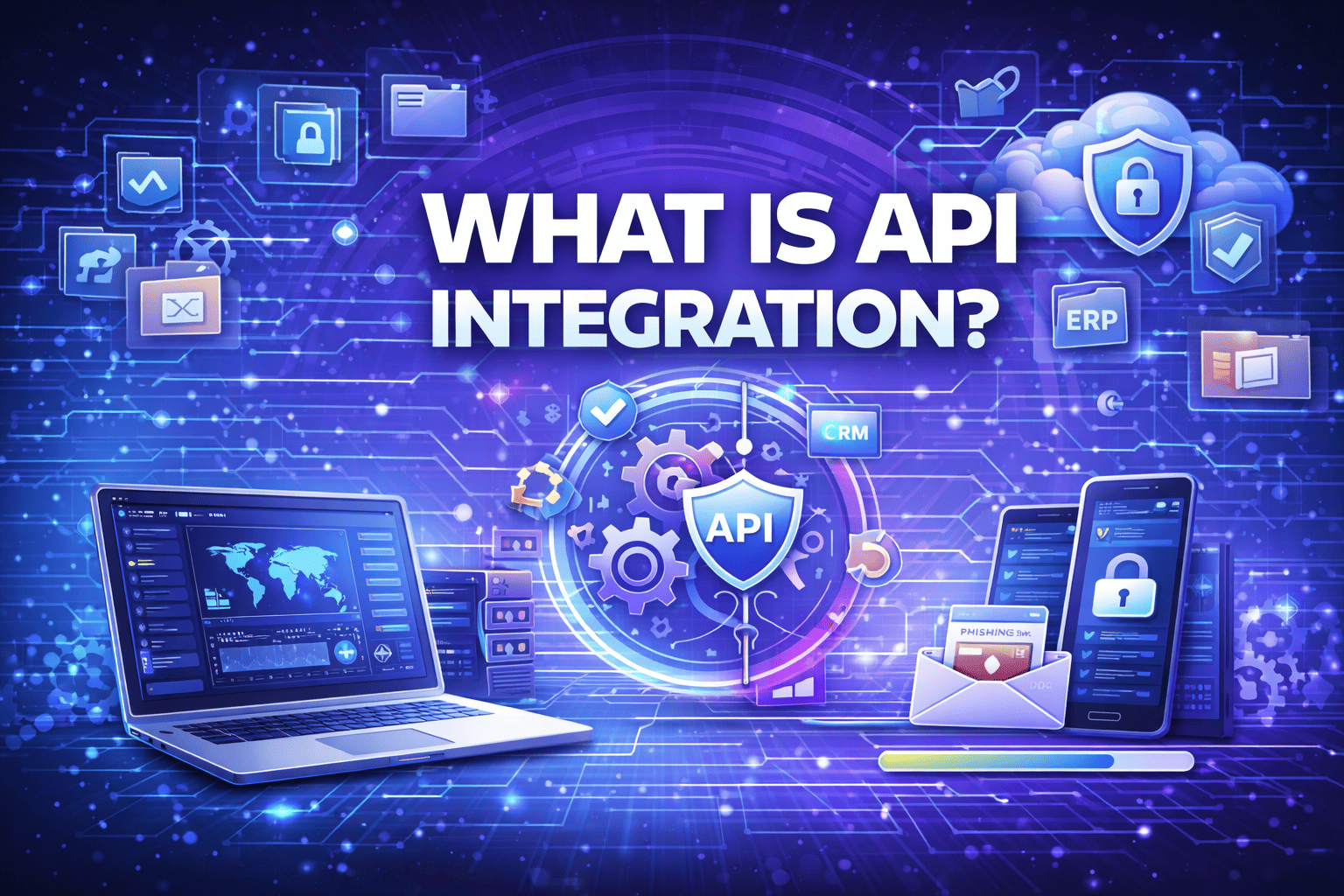
What is API integration, and why does it matter so much in today’s digital-first world? From cloud platforms and cybersecurity tools to CRM systems and mobile apps, organizations rely on APIs to connect systems, automate workflows, and share data securely. In fact, most modern software ecosystems would not function without API integration.
For IT managers, cybersecurity professionals, and business leaders, understanding what is API integration is essential. It affects system scalability, operational efficiency, data security, and even customer experience. This guide explains API integration in simple terms, explores real-world use cases, and outlines best practices for secure and reliable implementation.
What Is API Integration?
What is API integration? API integration is the process of connecting two or more software applications using Application Programming Interfaces (APIs) so they can exchange data and perform actions automatically. APIs act as messengers that allow systems to communicate without exposing internal code or logic.
In practical terms, API integration enables applications to “talk” to each other in real time. For example, when a security platform sends alerts to a dashboard or a CRM pulls customer data from a marketing tool, API integration is working behind the scenes.
API integration reduces manual effort, improves accuracy, and enables scalable digital ecosystems.
Why API Integration Is Critical for Modern Organizations
Businesses today operate in complex digital environments. Systems are no longer isolated; they must share data continuously.
Key reasons API integration is critical include:
-
Automation of repetitive tasks
-
Real-time data synchronization
-
Faster decision-making
-
Improved customer experiences
-
Seamless integration of cloud services
From a cybersecurity perspective, API integration also enables centralized monitoring, threat intelligence sharing, and automated response actions.
Understanding what is API integration helps leaders make smarter technology investments.
How API Integration Works
To understand what is API integration, it helps to break down how it works at a basic level.
Core Components of API Integration
-
API Provider – The system offering data or functionality
-
API Consumer – The system requesting access
-
Endpoints – URLs that define where requests are sent
-
Authentication – Ensures only authorized access
-
Data Format – Usually JSON or XML
When an API request is made, the provider processes it and sends a structured response back to the consumer.
Common Types of API Integration
Different integration methods serve different business needs.
REST API Integration
REST APIs are the most common type. They are lightweight, scalable, and easy to implement.
SOAP APIs
SOAP APIs are more rigid and often used in legacy enterprise systems that require strict security and compliance.
Webhooks
Webhooks push data automatically when an event occurs, reducing the need for constant polling.
Each method plays a role depending on system architecture and security requirements.
Benefits of API Integration for Businesses
API integration delivers both technical and strategic advantages.
Operational Efficiency
By automating data exchange, API integration eliminates manual workflows and reduces errors. Teams can focus on higher-value tasks instead of repetitive data entry.
Scalability and Flexibility
APIs allow organizations to add or replace systems without disrupting operations. This flexibility is essential for growth and digital transformation.
Improved Security Posture
Modern API integration supports encrypted communication, authentication, and access control. This helps protect sensitive data across platforms.
Faster Innovation
APIs enable rapid development by reusing existing services. New features can be built without reinventing core functionality.
When leaders understand what is API integration, they unlock faster and safer innovation.
API Integration in Cybersecurity and IT Operations
API integration plays a critical role in modern security and IT environments.
Security Tool Integration
Security platforms rely on API integration to share telemetry, alerts, and threat intelligence. This enables faster detection and response.
Examples include:
-
SIEM platforms pulling log data via APIs
-
EDR tools triggering automated actions
-
SOAR platforms orchestrating workflows
IT Management and Monitoring
API integration allows centralized management of endpoints, cloud assets, and user identities. This improves visibility and control.
For IT managers, API integration simplifies complex infrastructure.
API Integration Security Risks You Should Know
While API integration offers many benefits, it also introduces risks if not managed correctly.
Common API Security Risks
-
Weak authentication mechanisms
-
Exposed endpoints
-
Excessive data permissions
-
Lack of monitoring and logging
Attackers often target APIs because they provide direct access to valuable data and services.
Understanding what is API integration also means understanding how to secure it.
Best Practices for Secure API Integration
Strong security practices are essential for safe API integration.
Use Strong Authentication and Authorization
Implement OAuth, API keys, or token-based authentication. Apply least-privilege access controls to limit exposure.
Encrypt Data in Transit
Always use HTTPS and TLS encryption to protect data exchanged between systems.
Monitor API Activity
Log API requests and responses. Monitor for unusual patterns that could indicate abuse or compromise.
Rate Limiting and Throttling
Prevent abuse and denial-of-service attacks by limiting request volumes.
These best practices strengthen both reliability and security.
Real-World API Integration Use Cases
API integration supports nearly every modern business function.
Cloud Services Integration
APIs connect SaaS platforms, cloud infrastructure, and internal systems for seamless operations.
Business Automation
CRM, ERP, and marketing platforms rely on API integration to share customer and transaction data.
Cybersecurity Automation
APIs enable automated threat response, ticket creation, and remediation actions.
Across industries, API integration drives efficiency and resilience.
How to Choose the Right API Integration Tools
Selecting the right API integration tools depends on organizational needs.
Key Evaluation Criteria
-
Security capabilities
-
Scalability and performance
-
Ease of implementation
-
Vendor support and documentation
-
Compatibility with existing systems
Enterprise environments often benefit from centralized integration platforms that provide governance and visibility.
Measuring the Success of API Integration
Successful API integration should deliver measurable outcomes.
Key Metrics to Track
-
Integration uptime
-
Error rates
-
Data synchronization accuracy
-
Response times
-
Security incident frequency
Tracking these metrics helps organizations refine and optimize integrations over time.
Frequently Asked Questions (FAQ)
1. What is API integration in simple terms?
API integration connects different software systems so they can share data and perform actions automatically.
2. Why is API integration important for businesses?
It improves efficiency, scalability, and security while enabling automation and innovation.
3. Is API integration secure?
Yes, when implemented with proper authentication, encryption, and monitoring.
4. What industries use API integration the most?
Technology, finance, healthcare, cybersecurity, e-commerce, and SaaS industries rely heavily on API integration.
5. How does API integration support cybersecurity?
It enables real-time data sharing, automated responses, and centralized visibility across security tools.
Final Thoughts: Why API Integration Is a Strategic Advantage
Understanding what is API integration is no longer just a technical concern—it’s a business imperative. APIs power modern digital ecosystems, support secure automation, and enable organizations to scale efficiently.
For IT leaders and executives, well-designed API integration improves agility, security, and long-term competitiveness.
If you’re looking to integrate systems securely, automate workflows, and gain real-time visibility across your environment, now is the time to act.
👉 See how advanced integration and security work together
Request a demo: https://www.xcitium.com/request-demo/