Ransomware Recovery Planning
Updated on March 9, 2026, by Xcitium
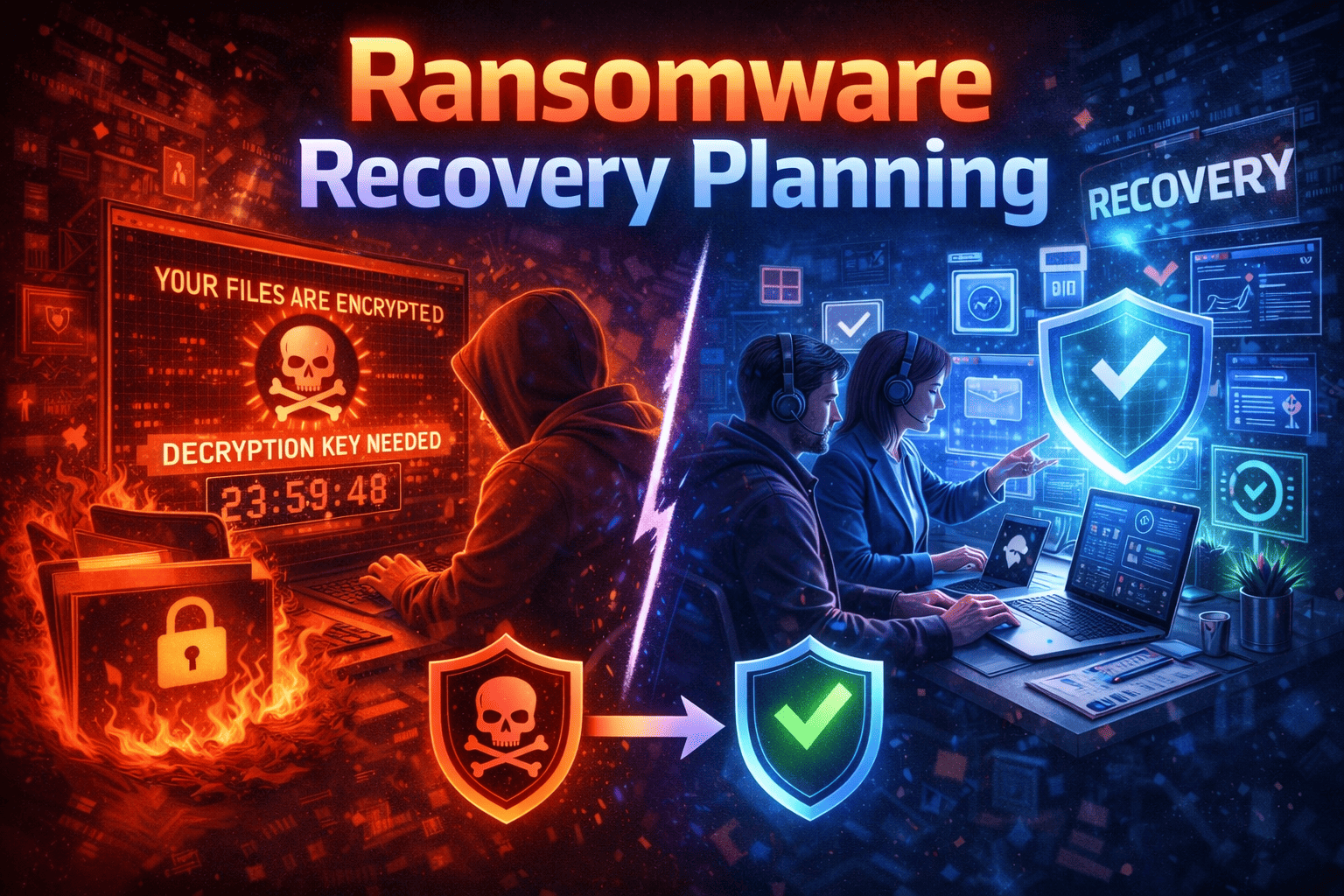
Ransomware attacks have become one of the most destructive cyber threats facing businesses today. According to cybersecurity reports, organizations experience a ransomware attack every few seconds, costing companies millions in downtime, recovery expenses, and reputational damage.
But here’s the critical question: If your organization were hit by ransomware today, could you recover your data and systems quickly?
Many businesses focus on preventing attacks but overlook something equally important — ransomware recovery planning.
A well-structured recovery plan ensures that even if attackers infiltrate your systems, your organization can restore operations quickly, minimize data loss, and avoid paying ransom demands.
In this guide, we’ll explore ransomware recovery planning, key strategies, best practices, and actionable steps to help organizations prepare for and recover from ransomware attacks.
What is Ransomware Recovery Planning?
Ransomware recovery planning refers to the strategies, processes, and technologies organizations use to restore systems and data after a ransomware attack.
The goal is to minimize operational disruption and avoid paying ransom demands.
A ransomware recovery plan typically includes:
-
Data backup strategies
-
Incident response procedures
-
System restoration processes
-
Communication protocols
-
Security improvements after recovery
Organizations with strong recovery plans can resume operations quickly and reduce financial losses after an attack.
Why Ransomware Recovery Planning is Critical
Cybercriminals increasingly target organizations of all sizes. Without proper recovery planning, ransomware attacks can cause catastrophic damage.
Key Risks Without a Recovery Plan
Prolonged Downtime
Organizations may lose access to critical systems for days or even weeks.
Data Loss
Sensitive business data, customer records, and operational information may be permanently lost.
Financial Loss
Costs may include ransom payments, system recovery expenses, legal penalties, and lost revenue.
Reputational Damage
Customers and partners may lose trust if a company cannot protect its systems and data.
Common Types of Ransomware Attacks
Understanding ransomware attack types helps organizations design better recovery plans.
Crypto Ransomware
This type encrypts files and demands payment for the decryption key.
Locker Ransomware
Locker ransomware blocks access to the entire device or system.
Double Extortion Ransomware
Attackers steal sensitive data before encryption and threaten to leak it publicly.
Ransomware-as-a-Service (RaaS)
Cybercriminal groups offer ransomware tools to other attackers, increasing the number of attacks.
Key Components of an Effective Ransomware Recovery Plan
A strong ransomware recovery plan includes several essential components.
Incident Response Strategy
Organizations must define how security teams will detect, contain, and respond to ransomware incidents.
Backup and Data Recovery Systems
Reliable backups ensure that systems can be restored without paying attackers.
System Restoration Procedures
IT teams should know exactly how to rebuild systems and recover applications.
Communication Plan
Clear communication ensures employees, customers, and stakeholders receive accurate information during an incident.
How to Create a Ransomware Recovery Plan
Developing a ransomware recovery strategy requires careful planning and coordination across teams.
Step 1: Conduct a Risk Assessment
Start by identifying critical assets and potential vulnerabilities.
Identify High-Value Data
Determine which data is essential for business operations.
Evaluate Existing Security Controls
Review your current cybersecurity infrastructure.
Step 2: Implement a Strong Backup Strategy
Backups are the foundation of ransomware recovery.
Follow the 3-2-1 Backup Rule
This widely recommended strategy involves:
-
3 copies of your data
-
2 different storage types
-
1 copy stored offline or offsite
Use Immutable Backups
Immutable backups cannot be altered or deleted by attackers.
Automate Backup Processes
Automation ensures data is consistently protected.
Step 3: Develop an Incident Response Plan
Your incident response plan should outline exactly how to handle a ransomware attack.
Detection
Security tools identify suspicious activity or malware.
Containment
Isolate infected systems to prevent spread.
Investigation
Analyze the attack to determine the entry point.
Recovery
Restore systems using secure backups.
Step 4: Test Recovery Procedures Regularly
A recovery plan is only effective if it works during a real attack.
Conduct Recovery Drills
Simulate ransomware incidents to test your response.
Measure Recovery Time
Track how quickly systems can be restored.
Update Plans Frequently
Adjust your strategy based on new threats.
Best Practices for Ransomware Recovery
Organizations can significantly improve recovery success by following proven best practices.
Maintain Offline Backups
Offline backups remain inaccessible to attackers.
Segment Networks
Network segmentation limits the spread of ransomware.
Implement Multi-Factor Authentication
MFA prevents attackers from accessing critical systems.
Monitor Systems Continuously
Real-time monitoring helps detect attacks early.
Train Employees on Cybersecurity
Human error is one of the most common entry points for ransomware.
Technologies That Support Ransomware Recovery
Advanced cybersecurity tools play an important role in recovery planning.
Endpoint Detection and Response (EDR)
EDR solutions monitor endpoint activity and detect ransomware behavior.
Extended Detection and Response (XDR)
XDR integrates data across systems to detect complex attacks.
Backup and Disaster Recovery Platforms
These platforms automate data backup and restoration.
Security Information and Event Management (SIEM)
SIEM systems provide centralized threat monitoring.
The Role of Cybersecurity in Preventing Ransomware
Although recovery planning is essential, prevention remains the first line of defense.
Patch Management
Regular updates prevent attackers from exploiting known vulnerabilities.
Email Security
Many ransomware attacks begin with phishing emails.
Zero Trust Architecture
Zero Trust verifies every access request, reducing attack opportunities.
Threat Intelligence
Threat intelligence helps security teams identify emerging ransomware threats.
Ransomware Recovery Planning for Different Organizations
Recovery strategies may vary depending on the organization’s size and industry.
Small Businesses
Small businesses often lack dedicated security teams and rely on automated security tools and cloud backups.
Enterprises
Large organizations typically implement advanced threat detection platforms and dedicated incident response teams.
Healthcare and Financial Organizations
These industries require strict regulatory compliance and advanced data protection strategies.
Future Trends in Ransomware Defense
Cybersecurity continues to evolve as ransomware attacks become more sophisticated.
AI-Powered Threat Detection
Artificial intelligence helps identify ransomware patterns faster.
Automated Incident Response
Automation speeds up containment and recovery processes.
Integrated Security Platforms
Modern platforms combine endpoint security, threat detection, and recovery tools.
FAQs About Ransomware Recovery Planning
What is the first step in ransomware recovery?
The first step is to isolate infected systems to prevent the ransomware from spreading to other devices.
Should organizations pay ransomware demands?
Security experts generally recommend not paying ransom, since it does not guarantee data recovery and encourages further attacks.
How often should backups be performed?
Critical systems should be backed up daily or continuously, depending on business requirements.
How long does ransomware recovery take?
Recovery time varies depending on the attack and infrastructure but can range from hours to several days.
Can ransomware be completely prevented?
While no system is completely immune, strong cybersecurity practices and recovery planning significantly reduce risk.
Prepare Your Organization for Ransomware Attacks
Ransomware attacks are no longer rare events—they are an ongoing threat to organizations worldwide. A strong ransomware recovery plan ensures your business can restore operations quickly, protect sensitive data, and minimize financial losses.
By combining proactive cybersecurity strategies, reliable backups, and advanced threat detection, organizations can significantly improve their resilience against ransomware.
If you want to strengthen your cybersecurity defenses and improve ransomware protection, it’s time to explore modern security solutions.
👉 Request a demo today:
https://www.xcitium.com/request-demo/
Discover how Xcitium’s advanced cybersecurity platform helps organizations detect threats faster, prevent ransomware attacks, and recover from cyber incidents with confidence.