Patch Management Best Practices
Updated on March 6, 2026, by Xcitium
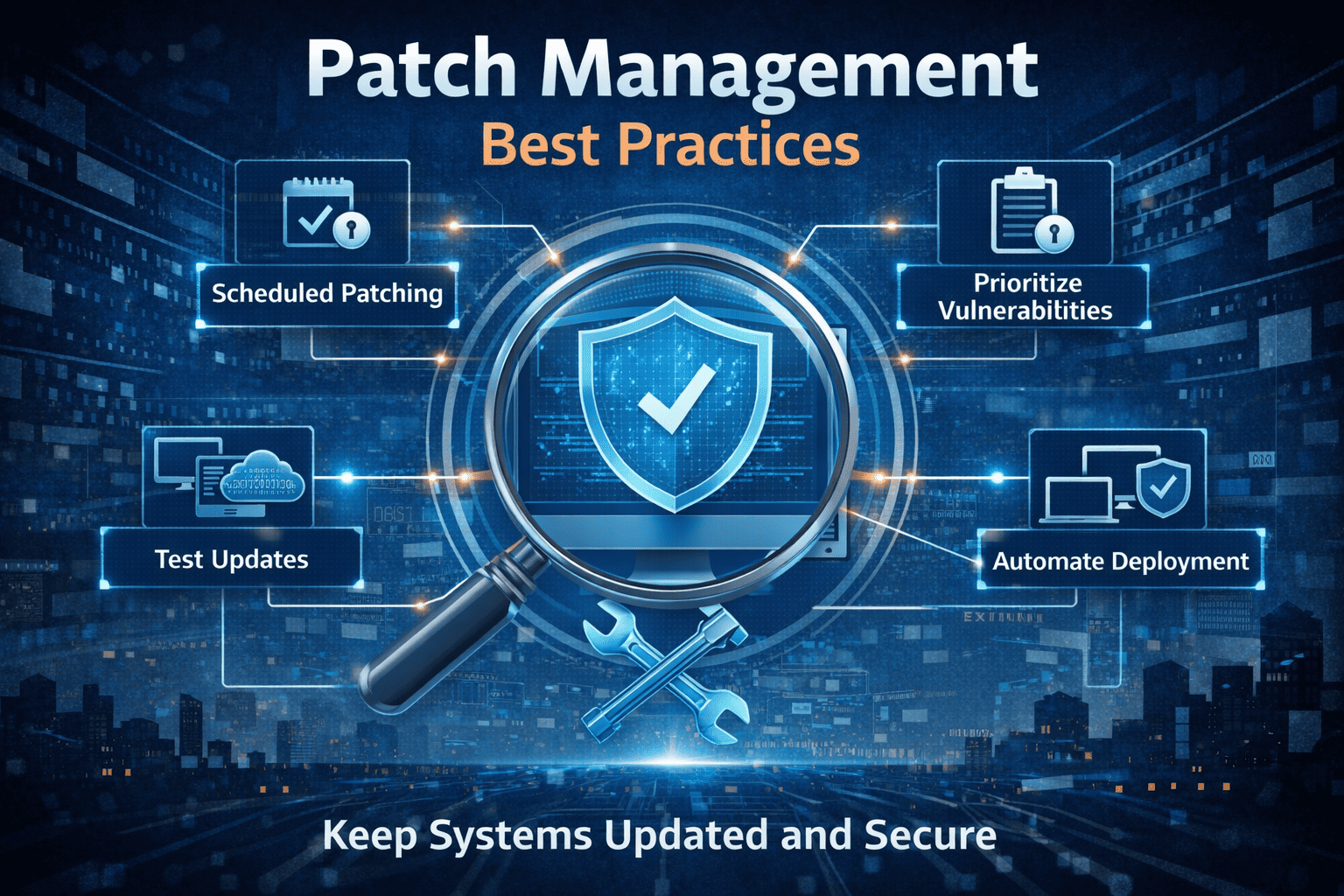
Cyberattacks often succeed because organizations fail to fix known vulnerabilities in time. In fact, many major data breaches happen because systems remain unpatched for weeks—or even months—after security updates are released. This makes patch management best practices one of the most important parts of any cybersecurity strategy.
Every day, software vendors release patches to fix bugs, improve performance, and address security vulnerabilities. However, without a structured patch management process, these updates can easily be overlooked. The result? Hackers exploit outdated systems to gain access to networks, steal data, or deploy ransomware.
In this guide, we’ll explore patch management best practices, explain why patching is critical for cybersecurity, and provide actionable strategies to help organizations maintain secure and reliable IT environments.
What Is Patch Management?
Patch management is the process of identifying, acquiring, testing, and deploying software updates—also known as patches—to fix vulnerabilities and improve system performance.
These updates may apply to:
-
Operating systems
-
Applications
-
Firmware
-
Network devices
-
Security tools
Effective patch management ensures systems stay protected against newly discovered vulnerabilities.
Types of Software Patches
Understanding different patch types helps organizations prioritize updates effectively.
Security Patches
Security patches fix vulnerabilities that cybercriminals could exploit.
Bug Fixes
These patches address errors or software malfunctions.
Feature Updates
Feature updates introduce new capabilities or enhancements.
Performance Improvements
Some patches optimize system performance or stability.
Why Patch Management Is Critical for Cybersecurity
Unpatched vulnerabilities are among the most common entry points for cyberattacks.
Risks of Poor Patch Management
Organizations that neglect patch management may face:
-
Ransomware attacks
-
Data breaches
-
System downtime
-
Compliance violations
-
Financial losses
Implementing patch management best practices significantly reduces these risks.
The Patch Management Lifecycle
Effective patch management follows a structured lifecycle.
Step 1: Patch Identification
The first step involves identifying available patches from vendors and software providers.
Sources for Patch Updates
Security teams should monitor:
-
Vendor security bulletins
-
Vulnerability databases
-
Security advisories
-
Threat intelligence feeds
Monitoring these sources helps teams stay informed about new vulnerabilities.
Step 2: Patch Prioritization
Not all patches require immediate deployment.
Organizations should prioritize patches based on:
-
Severity of the vulnerability
-
Potential business impact
-
System exposure to the internet
-
Regulatory requirements
Critical vulnerabilities should always be addressed first.
Step 3: Patch Testing
Testing patches before deployment helps prevent compatibility issues.
Why Testing Matters
Patches may sometimes cause:
-
Application crashes
-
System instability
-
Software conflicts
Testing ensures updates work properly within the organization’s environment.
Step 4: Patch Deployment
After testing, patches should be deployed across systems.
Deployment methods may include:
-
Automated patch management tools
-
Endpoint management platforms
-
Manual updates for specialized systems
Automation greatly improves efficiency and consistency.
Step 5: Patch Verification
Once patches are installed, organizations must confirm they were applied successfully.
Security teams should verify that systems are fully updated and protected.
Patch Management Best Practices for Organizations
Following patch management best practices helps organizations maintain secure systems and reduce operational risks.
Maintain an Accurate Asset Inventory
You cannot patch what you cannot see.
Organizations must maintain an inventory of all devices and software.
Asset Types to Track
Include:
-
Servers
-
Workstations
-
Mobile devices
-
Cloud workloads
-
Network equipment
An updated inventory ensures no system is overlooked.
Automate Patch Management
Manual patching processes are time-consuming and prone to errors.
Automation tools streamline patch deployment.
Benefits of Automation
Automated patch management helps:
-
Reduce administrative workload
-
Ensure consistent updates
-
Accelerate vulnerability remediation
Many endpoint management platforms provide built-in patch automation features.
Prioritize Critical Vulnerabilities
Not all patches carry the same level of urgency.
Organizations should prioritize updates that address:
-
High-risk vulnerabilities
-
Remote code execution flaws
-
Active exploit campaigns
Focusing on critical threats improves overall security.
Establish a Regular Patch Schedule
Consistency is key in patch management.
Organizations should establish routine patch cycles.
Typical Patch Schedule
Many companies follow:
-
Monthly patch cycles
-
Emergency updates for critical vulnerabilities
-
Quarterly system maintenance
Regular schedules help ensure systems remain up to date.
Monitor Patch Compliance
Monitoring systems ensures patches are deployed successfully across the network.
Compliance Monitoring Tools
Security teams can use:
-
Endpoint detection and response (EDR) tools
-
Patch management dashboards
-
Vulnerability scanning solutions
These tools help identify systems that require updates.
Document Patch Management Processes
Clear documentation helps maintain consistency and accountability.
Documentation should include:
-
Patch testing procedures
-
Deployment workflows
-
Emergency response protocols
Well-documented processes improve operational efficiency.
Integrate Patch Management with Vulnerability Management
Patch management should work alongside vulnerability management programs.
Vulnerability Management Tools Help:
-
Identify new security flaws
-
Prioritize patch deployment
-
Track remediation progress
Combining these processes strengthens security defenses.
Patch Management in Cloud Environments
Cloud infrastructure introduces unique patch management challenges.
Organizations must secure:
-
Virtual machines
-
Containers
-
Cloud-native applications
-
Third-party integrations
Cloud providers often offer automated patching capabilities to simplify this process.
Patch Management for Remote Workforces
Remote work has expanded the attack surface for many organizations.
Security Risks in Remote Environments
Unpatched remote devices can become entry points for cybercriminals.
Organizations should ensure remote systems receive regular updates using centralized patch management tools.
Common Patch Management Challenges
Despite its importance, patch management can be complex.
Compatibility Issues
Some patches may conflict with legacy software.
Limited Resources
Small IT teams may struggle to manage large numbers of systems.
Downtime Concerns
Applying patches may require temporary service interruptions.
However, delaying patches often creates greater risks than downtime.
Patch Management Tools and Technologies
Several technologies help automate and simplify patch management.
Popular Patch Management Tools
Organizations often use:
-
Endpoint management platforms
-
Remote monitoring and management (RMM) tools
-
Vulnerability scanners
-
Security orchestration platforms
These tools streamline patch deployment and monitoring.
Compliance and Patch Management
Many regulatory frameworks require organizations to maintain up-to-date systems.
Common Compliance Standards
Patch management supports compliance with:
-
ISO 27001
-
NIST Cybersecurity Framework
-
PCI-DSS
-
HIPAA
-
SOC 2
Regular patching demonstrates strong security governance.
Future Trends in Patch Management
Patch management continues evolving as technology advances.
Emerging trends include:
-
AI-driven vulnerability prioritization
-
Automated patch deployment
-
Predictive threat intelligence
-
Cloud-native patch management solutions
These innovations will help organizations respond to vulnerabilities faster.
Frequently Asked Questions (FAQ)
1. What is patch management?
Patch management is the process of updating software systems to fix vulnerabilities, bugs, and performance issues.
2. Why is patch management important?
It protects systems from cyberattacks that exploit known vulnerabilities.
3. How often should patches be applied?
Organizations should apply critical patches immediately and follow regular update cycles for other updates.
4. What tools help automate patch management?
Endpoint management platforms, vulnerability scanners, and patch automation tools simplify the patching process.
5. What happens if systems are not patched?
Unpatched systems become vulnerable to cyberattacks, potentially leading to data breaches or ransomware incidents.
Final Thoughts: Strengthening Security with Patch Management
Cyber threats continue to evolve, but many attacks still rely on exploiting known vulnerabilities. Organizations that implement patch management best practices can dramatically reduce their exposure to these risks.
By maintaining accurate asset inventories, automating patch deployment, prioritizing critical updates, and monitoring compliance, security teams can build a resilient and proactive patch management strategy.
Strong patch management doesn’t just protect systems—it protects business operations, customer trust, and organizational reputation.
👉 Request a demo today:
https://www.xcitium.com/request-demo/
Discover how advanced cybersecurity solutions can help automate patch management and protect your organization from emerging threats.