Malware Analysis Basics: Understanding How Malware Works
Updated on March 10, 2026, by Xcitium
Cybercriminals launch thousands of malware attacks every day, targeting businesses, government agencies, and individual users. According to cybersecurity reports, ransomware and malware attacks have increased dramatically in recent years, costing organizations billions of dollars annually.
But here’s the real question:
How do cybersecurity professionals actually understand and stop malware attacks?
The answer lies in malware analysis.
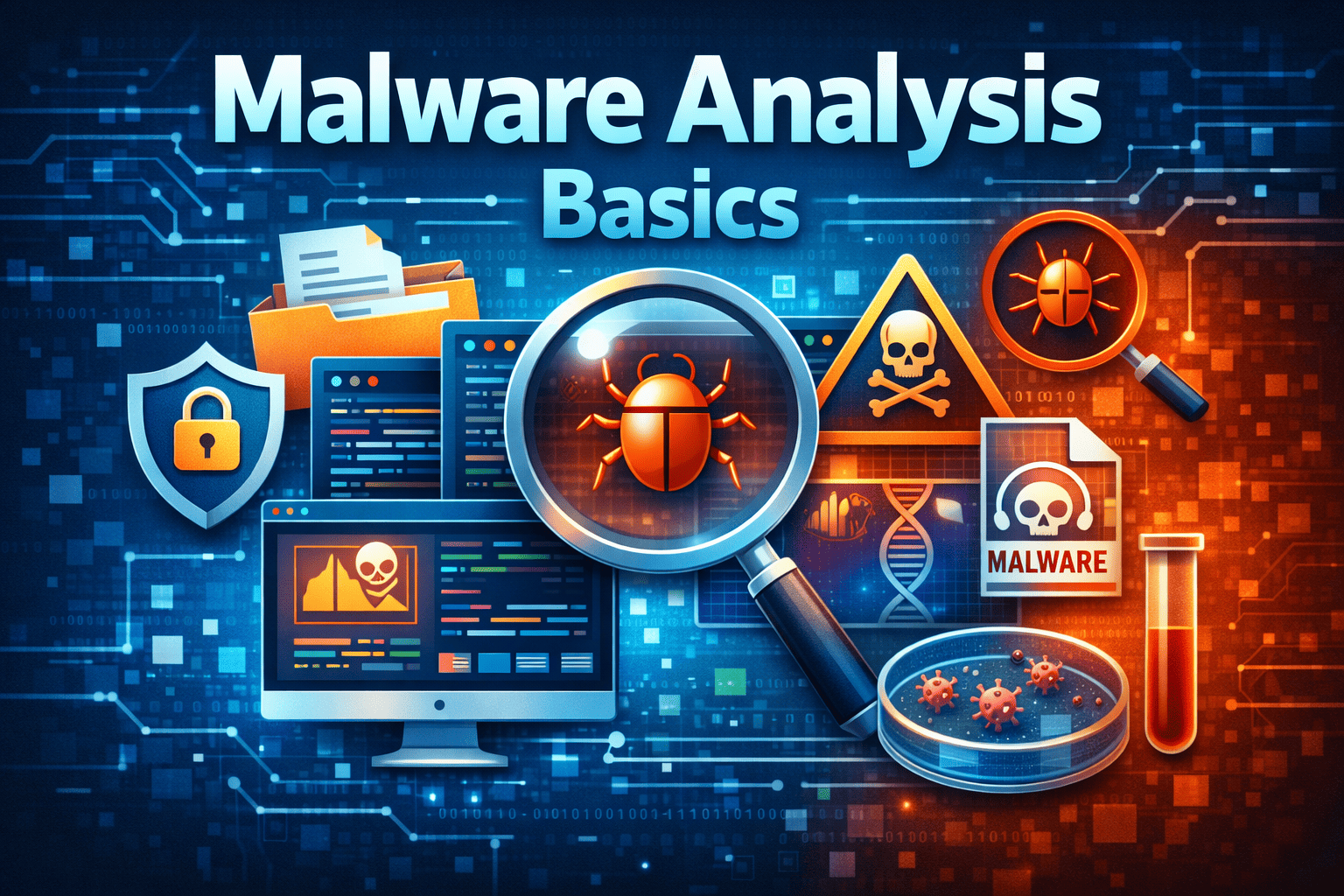
Malware analysis is the process of studying malicious software to understand how it works, what damage it can cause, and how to detect or prevent it. Security analysts use specialized tools and techniques to break down malware behavior and identify vulnerabilities before attackers exploit them.
In this guide, we’ll cover the malware analysis basics, including common techniques, tools, and best practices that cybersecurity professionals use to investigate malicious software.
What Is Malware Analysis?
Malware analysis is the process of examining malicious software to understand its functionality, behavior, and impact on systems.
Cybersecurity professionals analyze malware samples to determine:
-
How the malware infects systems
-
What actions it performs once installed
-
How it communicates with external servers
-
What vulnerabilities it exploits
-
How to detect and remove it
This information helps security teams develop better detection rules, security patches, and threat intelligence.
Why Malware Analysis Is Important
Malware analysis plays a crucial role in modern cybersecurity strategies because it helps organizations:
-
Detect and block cyber threats
-
Identify attack patterns
-
Improve threat intelligence
-
Prevent future attacks
-
Strengthen incident response
Without proper malware analysis, organizations may struggle to identify new or evolving cyber threats.
Types of Malware That Analysts Study
Before diving into malware analysis techniques, it’s important to understand the different types of malware.
Viruses
Viruses attach themselves to legitimate programs and spread when the infected program runs.
Common characteristics include:
-
Self-replication
-
File infection
-
System corruption
Trojans
Trojan malware disguises itself as legitimate software to trick users into installing it.
Once installed, it may:
-
Steal data
-
Install backdoors
-
Download additional malware
Ransomware
Ransomware encrypts files or locks systems until victims pay a ransom.
These attacks often target:
-
Businesses
-
Hospitals
-
Government agencies
Spyware
Spyware secretly monitors user activity and collects sensitive information.
Examples include:
-
Keystroke logging
-
Screen capture
-
Credential theft
Worms
Worms spread across networks automatically without user interaction.
They often exploit vulnerabilities in network services.
Malware Analysis Techniques
Malware analysts use several techniques to investigate malicious software. Each technique provides different insights into malware behavior.
Static Malware Analysis
Static analysis involves examining malware without executing the code.
Analysts inspect the malware file directly to identify suspicious patterns and indicators.
Key Steps in Static Analysis
File Identification
Analysts examine:
-
File hashes
-
File type
-
File size
-
Metadata
This helps determine whether the file matches known malware signatures.
Code Inspection
Security professionals inspect the malware’s code using tools like disassemblers and hex editors.
This reveals:
-
Hardcoded IP addresses
-
Suspicious commands
-
Embedded URLs
String Analysis
Analysts search for readable strings within the malware code to identify potential behaviors.
Examples include:
-
Command-and-control servers
-
File paths
-
Registry keys
Static analysis is fast and safe, but it may not reveal complex behaviors.
Dynamic Malware Analysis
Dynamic analysis involves executing malware in a controlled environment to observe how it behaves.
This method helps analysts understand the real impact of malware.
Key Components of Dynamic Analysis
Sandboxing
Malware is executed inside a secure virtual environment called a sandbox.
This prevents the malware from damaging real systems.
Behavior Monitoring
Analysts monitor activities such as:
-
Network communication
-
File changes
-
Registry modifications
-
Process creation
Network Analysis
Monitoring network traffic reveals how malware communicates with external servers.
This helps identify command-and-control infrastructure.
Dynamic analysis provides deeper insights into malware behavior compared to static analysis.
Malware Analysis Tools
Cybersecurity professionals rely on specialized tools to analyze malware effectively.
Static Analysis Tools
Common tools include:
-
PE Studio
-
IDA Pro
-
Ghidra
-
Radare2
These tools help analysts inspect executable files and disassemble code.
Dynamic Analysis Tools
Popular dynamic malware analysis tools include:
-
Cuckoo Sandbox
-
Process Monitor
-
Wireshark
-
OllyDbg
These tools allow analysts to monitor malware behavior in real time.
Threat Intelligence Platforms
Threat intelligence platforms provide information about known malware samples, including:
-
Malware signatures
-
Attack patterns
-
Known threat actors
Examples include:
-
VirusTotal
-
Hybrid Analysis
-
MalwareBazaar
Steps in the Malware Analysis Process
Malware analysis typically follows a structured workflow.
Step 1: Collect the Malware Sample
Analysts obtain suspicious files from:
-
Security alerts
-
Incident response investigations
-
Threat intelligence feeds
Step 2: Create a Secure Analysis Environment
Malware must always be analyzed in isolated environments to prevent accidental infections.
Analysts typically use:
-
Virtual machines
-
Sandboxes
-
Network isolation
Step 3: Conduct Static Analysis
Initial analysis involves examining the malware file without executing it.
This step helps identify obvious indicators of compromise.
Step 4: Perform Dynamic Analysis
The malware is executed in a controlled environment to observe its behavior.
Analysts monitor:
-
File activity
-
Network traffic
-
System changes
Step 5: Document Findings
Security analysts record detailed findings, including:
-
Indicators of compromise (IOCs)
-
Malware behavior patterns
-
Threat actor techniques
This information helps improve detection systems.
Challenges in Malware Analysis
Malware analysis is not always straightforward. Cybercriminals often use advanced techniques to evade detection.
Obfuscation
Attackers hide malware code to make analysis difficult.
Encryption
Malware may encrypt its payload to avoid signature detection.
Anti-Debugging Techniques
Some malware can detect analysis tools and change its behavior.
Polymorphic Malware
This type of malware constantly changes its code to evade detection.
These challenges require analysts to use advanced techniques and tools.
Best Practices for Malware Analysis
Organizations should follow best practices to ensure safe and effective malware analysis.
Use Isolated Environments
Always analyze malware inside secure sandboxes or virtual machines.
Monitor Network Traffic
Network monitoring helps identify external communication and command servers.
Combine Multiple Analysis Techniques
Using both static and dynamic analysis improves detection accuracy.
Maintain Threat Intelligence Databases
Keeping updated threat intelligence helps identify known malware quickly.
Automate Where Possible
Automation tools help reduce analysis time and improve threat detection.
How Malware Analysis Improves Cybersecurity
Malware analysis provides several key benefits for cybersecurity teams.
Faster Threat Detection
Analyzing malware helps organizations identify new threats quickly.
Improved Security Controls
Understanding malware behavior allows security teams to strengthen defenses.
Better Incident Response
Malware analysis helps analysts understand how attacks occur and how to stop them.
Stronger Threat Intelligence
Detailed analysis provides valuable insights into emerging cyber threats.
FAQ: Malware Analysis Basics
What is malware analysis in cybersecurity?
Malware analysis is the process of examining malicious software to understand how it works, how it spreads, and how it can be detected or removed.
What are the two main types of malware analysis?
The two primary methods are static malware analysis (examining code without execution) and dynamic malware analysis (running malware in a controlled environment to observe behavior).
Why is malware analysis important?
Malware analysis helps organizations detect cyber threats, improve security defenses, and develop better threat intelligence.
What tools are used for malware analysis?
Common malware analysis tools include IDA Pro, Ghidra, Wireshark, Process Monitor, and Cuckoo Sandbox.
Is malware analysis dangerous?
Malware analysis can be risky if performed incorrectly. Analysts must use isolated environments and secure sandboxes to prevent accidental infections.
Final Thoughts
Malware continues to evolve as cybercriminals develop more sophisticated attack techniques. Understanding malware analysis basics allows cybersecurity professionals to investigate threats, detect malicious behavior, and protect systems from future attacks.
By combining static analysis, dynamic analysis, and advanced threat intelligence, organizations can significantly strengthen their cybersecurity posture and respond faster to emerging threats.
If your organization wants stronger threat detection, advanced malware protection, and proactive cybersecurity solutions, it’s time to explore modern security platforms.
👉 Request a demo today to see how Xcitium can help protect your organization:
https://www.xcitium.com/request-demo/