Internal Security Audit Checklist: A Complete Guide for Stronger Cybersecurity
Updated on March 11, 2026, by Xcitium
Cyber threats are growing more sophisticated every year. According to global cybersecurity reports, organizations experience thousands of attempted attacks daily. Yet many breaches happen not because of advanced hackers—but because internal security weaknesses go unnoticed.
This is where an internal security audit checklist becomes critical.
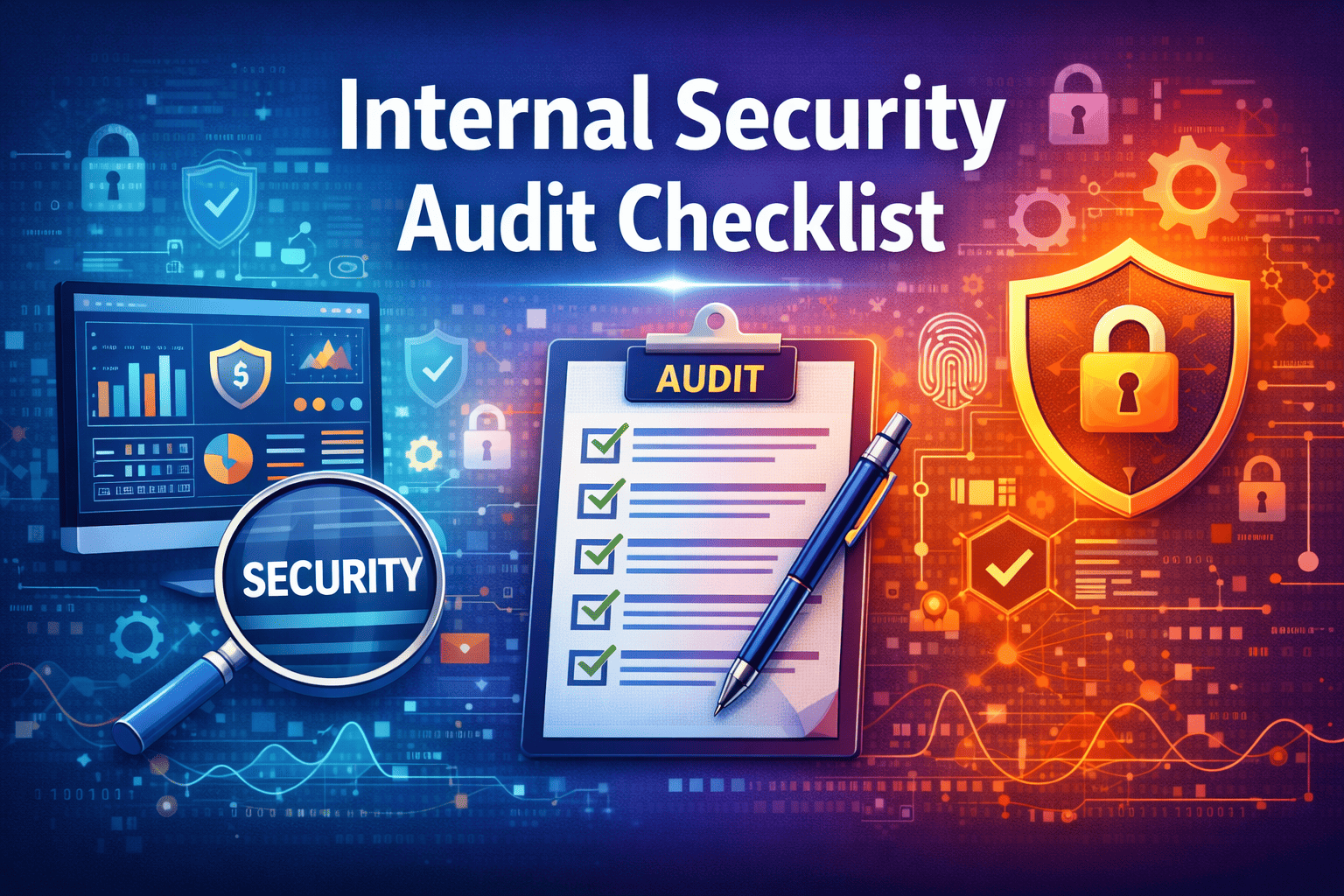
An internal security audit checklist helps organizations evaluate their existing security controls, identify vulnerabilities, and ensure compliance with security policies. For IT managers, cybersecurity teams, and business leaders, regular internal audits provide valuable insights into how well security measures are working.
Without a structured audit process, businesses may overlook configuration errors, outdated software, weak access controls, or unpatched systems—issues that attackers can easily exploit.
In this guide, we’ll explore a comprehensive internal security audit checklist, explain how internal security audits work, and provide practical steps organizations can take to strengthen their cybersecurity posture.
What Is an Internal Security Audit?
An internal security audit is a systematic evaluation of an organization’s security policies, procedures, infrastructure, and controls.
The goal of the audit is to assess whether current security practices effectively protect the organization’s systems, data, and networks.
An internal security audit checklist provides a structured framework for conducting this evaluation and ensuring that no critical area is overlooked.
Key Objectives of an Internal Security Audit
An internal security audit typically focuses on several key goals:
-
Identifying vulnerabilities and security gaps
-
Evaluating compliance with security policies
-
Ensuring regulatory compliance
-
Improving incident response readiness
-
Strengthening overall cybersecurity posture
Organizations that perform regular audits reduce their risk of data breaches and cyber incidents.
Why an Internal Security Audit Checklist Is Important
A well-designed internal security audit checklist ensures consistency and thoroughness in evaluating security systems.
Detect Security Weaknesses Early
Internal audits help identify vulnerabilities before attackers can exploit them.
Improve Compliance Readiness
Many regulations require organizations to conduct periodic security assessments.
Examples include:
-
GDPR
-
HIPAA
-
PCI DSS
-
ISO 27001
Strengthen Security Policies
Audits reveal gaps in policy enforcement and help organizations improve internal security procedures.
Reduce Financial and Operational Risk
By identifying weaknesses early, businesses avoid costly security incidents.
Preparing for an Internal Security Audit
Before using an internal security audit checklist, organizations should prepare properly.
Define the Scope of the Audit
Determine which systems and departments will be evaluated.
Common areas include:
-
Network infrastructure
-
Endpoints and devices
-
Cloud services
-
Data storage systems
-
Security policies
Assemble an Audit Team
The audit team may include:
-
IT administrators
-
Security analysts
-
Compliance officers
-
Internal auditors
Having multiple perspectives helps ensure a thorough review.
Gather Documentation
Before starting the audit, collect relevant documentation such as:
-
Security policies
-
Network diagrams
-
System configurations
-
Incident response plans
These materials provide context for evaluating security controls.
Internal Security Audit Checklist
The following internal security audit checklist covers the most important areas organizations should evaluate during a security review.
Access Control and Identity Management
Access control ensures that only authorized users can access sensitive systems and data.
User Account Management
Check whether the organization:
-
Maintains updated user account lists
-
Removes inactive accounts regularly
-
Uses unique login credentials for each user
Privileged Access Controls
Review administrative access privileges.
Questions to ask include:
-
Are admin privileges limited to essential personnel?
-
Are privileged actions logged and monitored?
Multi-Factor Authentication (MFA)
Verify whether MFA is implemented for critical systems and remote access.
Network Security Assessment
Network infrastructure is often the first target for attackers.
Firewall Configuration
Review firewall settings to ensure they follow security best practices.
Check whether:
-
Default rules are disabled
-
Unnecessary ports are closed
-
Access rules are documented
Network Monitoring
Evaluate whether network activity is monitored continuously.
Tools such as intrusion detection systems help identify suspicious behavior.
Segmentation Controls
Network segmentation limits attacker movement if a breach occurs.
Ensure that sensitive systems are isolated from general networks.
Endpoint Security Controls
Endpoints such as laptops and mobile devices often become entry points for cyberattacks.
Antivirus and Endpoint Protection
Verify whether all endpoints have active endpoint security solutions installed.
Patch Management
Check that operating systems and applications receive regular security updates.
Unpatched systems are among the most common causes of breaches.
Device Encryption
Ensure that sensitive data stored on devices is encrypted.
Encryption prevents unauthorized access if devices are lost or stolen.
Data Security and Protection
Protecting sensitive information is a core part of any internal security audit checklist.
Data Classification
Organizations should classify data according to sensitivity levels.
Examples include:
-
Public data
-
Internal data
-
Confidential data
-
Restricted data
Encryption Policies
Check whether sensitive data is encrypted both in transit and at rest.
Backup and Recovery Systems
Verify that data backups are performed regularly and stored securely.
Test backup systems to ensure recovery processes work properly.
Security Policy and Compliance Review
Security policies provide the foundation for organizational cybersecurity practices.
Policy Documentation
Confirm that security policies are:
-
Documented
-
Updated regularly
-
Accessible to employees
Regulatory Compliance
Ensure that security practices align with applicable industry regulations.
Employee Security Awareness
Employees should receive regular cybersecurity training.
Training topics may include:
-
Phishing awareness
-
Password security
-
Data protection practices
Incident Response Readiness
Organizations must be prepared to respond quickly to security incidents.
Incident Response Plan
Verify that the organization maintains a documented incident response plan.
Response Team Roles
Ensure that team members understand their roles during security incidents.
Testing and Simulations
Conduct periodic incident response drills to evaluate preparedness.
Cloud Security Assessment
Many organizations now rely heavily on cloud infrastructure.
Cloud Access Management
Review user permissions for cloud services.
Configuration Security
Ensure cloud configurations follow best security practices.
Misconfigured cloud environments are a major cause of breaches.
Cloud Activity Monitoring
Cloud monitoring tools should track user actions and detect unusual activity.
Common Mistakes to Avoid During Security Audits
Even well-intentioned audits can fail if organizations overlook key areas.
Ignoring Insider Threats
Internal users can pose security risks if proper monitoring is not implemented.
Focusing Only on Technology
Security audits must also evaluate policies, processes, and employee behavior.
Skipping Documentation
Audit findings should always be documented and reviewed.
Best Practices for Conducting Effective Security Audits
To maximize the value of an internal security audit checklist, organizations should follow several best practices.
Perform Regular Audits
Security audits should be conducted at least annually.
High-risk industries may require more frequent assessments.
Automate Monitoring
Automated security tools can detect vulnerabilities and suspicious behavior continuously.
Track Audit Findings
Organizations should track and prioritize security issues identified during audits.
Improve Continuously
Each audit should lead to improvements in policies, processes, and technology.
How Security Audits Strengthen Cybersecurity
Internal audits help organizations maintain strong cybersecurity defenses.
By using a structured internal security audit checklist, companies can:
-
Identify vulnerabilities early
-
Improve compliance with security regulations
-
Strengthen incident response readiness
-
Reduce the likelihood of data breaches
Security audits are an essential part of proactive cybersecurity management.
FAQ: Internal Security Audit Checklist
What is an internal security audit checklist?
An internal security audit checklist is a structured list of security controls and procedures used to evaluate an organization’s cybersecurity posture.
How often should companies conduct internal security audits?
Most organizations conduct audits annually, but high-risk industries may perform them quarterly or after major system changes.
Who should perform an internal security audit?
Internal security audits are typically conducted by IT teams, security professionals, or internal compliance auditors.
What are the key components of a security audit?
Important areas include access control, network security, endpoint protection, data security, compliance policies, and incident response readiness.
Why are internal security audits important?
They help organizations detect vulnerabilities, improve compliance, and strengthen overall cybersecurity defenses.
Final Thoughts
Cyber threats continue to evolve, making proactive security assessments more important than ever. Organizations that rely solely on reactive defenses often discover vulnerabilities only after an attack has occurred.
Using a structured internal security audit checklist allows businesses to identify weaknesses, improve security practices, and maintain compliance with industry regulations.
Regular audits help organizations stay ahead of cyber threats and build stronger security strategies.
If your organization wants to strengthen its cybersecurity defenses and gain better visibility into potential threats, modern security solutions can help.
👉 Request a demo today to see how Xcitium can help protect your organization:
https://www.xcitium.com/request-demo/