How to Reload Folders in File Explorer Windows 11: Complete Step-by-Step Guide
Updated on January 28, 2026, by Xcitium
Have you ever opened File Explorer in Windows 11 only to find missing files, outdated folder views, or changes that refuse to appear? If so, you’re not alone. Many users—especially professionals managing large volumes of data—frequently ask how to reload folders in File Explorer Windows 11 when the interface doesn’t update as expected.
For IT managers, cybersecurity teams, CEOs, and founders, this is more than a minor inconvenience. File Explorer refresh issues can disrupt workflows, delay investigations, and even cause confusion during incident response or system audits.
In this guide, you’ll learn how to reload folders in File Explorer Windows 11, why refresh problems happen, and how to prevent them using reliable, security-conscious methods.
Why File Explorer Sometimes Fails to Refresh in Windows 11
Before diving into how to reload folders in File Explorer Windows 11, it helps to understand why the issue occurs.
Common Reasons for Refresh Issues
-
Cached folder views
-
Explorer process glitches
-
Background sync delays (OneDrive, network drives)
-
File system indexing delays
-
High system resource usage
These issues can cause File Explorer to show outdated or incomplete folder contents.
How to Reload Folders in File Explorer Windows 11 (Quick Methods)
Let’s start with the fastest and easiest ways to reload folders.
Method 1: Use the Refresh Shortcut (F5)
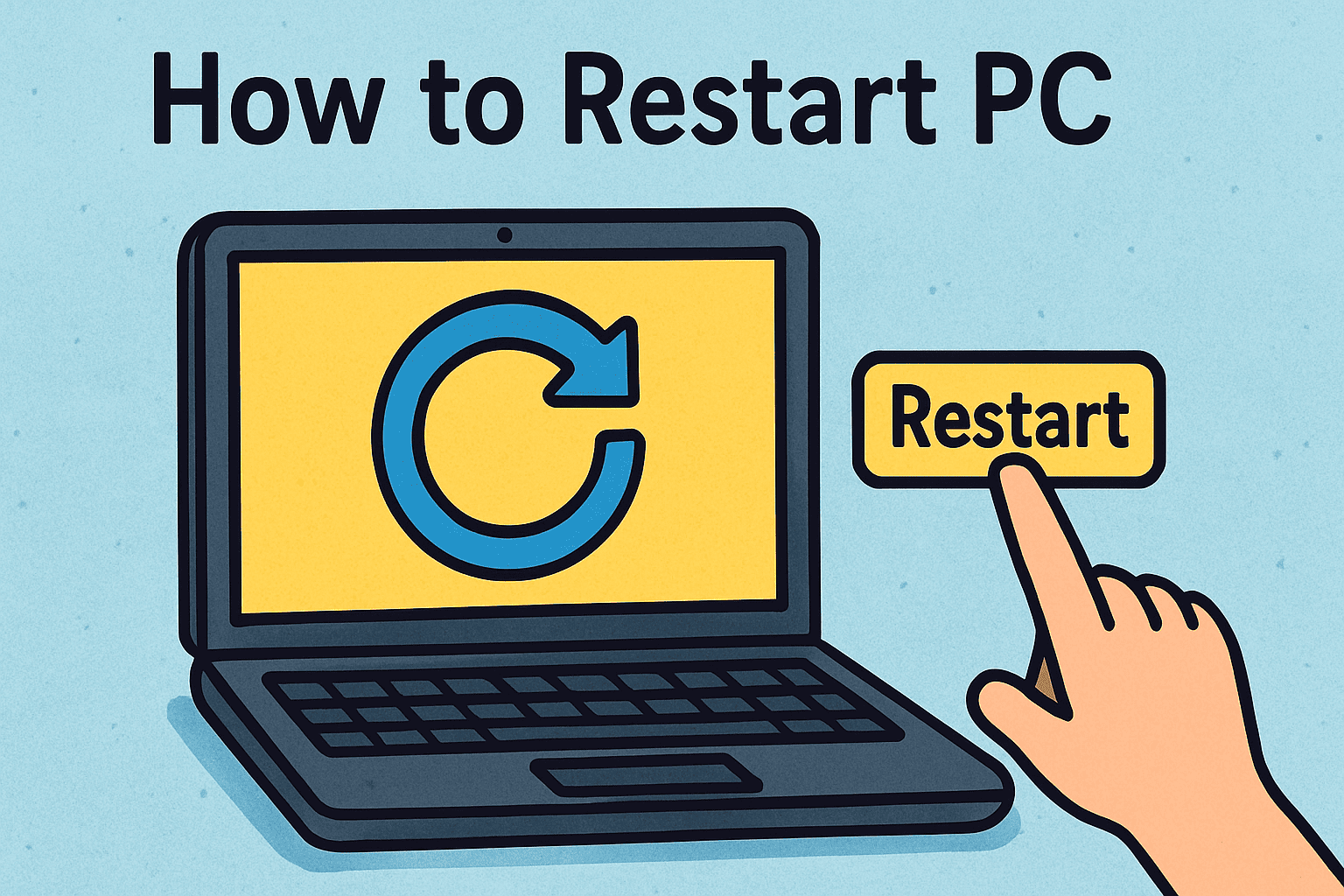
The simplest way to reload folders in File Explorer Windows 11 is the classic refresh shortcut.
Steps
-
Open File Explorer
-
Click inside the folder window
-
Press F5 on your keyboard
This forces File Explorer to reload the folder contents immediately.
✅ Best for: Minor display glitches or recently added files.
Method 2: Right-Click and Select Refresh
Another basic option for users asking how to reload folders in File Explorer Windows 11 is manual refresh.
Steps
-
Right-click inside the folder (not on a file)
-
Click Refresh
This performs the same action as F5 but is useful for mouse-based workflows.
Method 3: Navigate Away and Return
Sometimes File Explorer fails to redraw the view properly.
Steps
-
Click a different folder in the left pane
-
Return to the original folder
This triggers a fresh reload of the folder view.
How to Reload Folders in File Explorer Windows 11 Using Explorer Restart
If basic refresh doesn’t work, restarting File Explorer is often the most effective fix.
Method 4: Restart File Explorer from Task Manager
This method is highly effective and safe.
Steps
-
Press Ctrl + Shift + Esc to open Task Manager
-
Locate Windows Explorer
-
Right-click it
-
Select Restart
File Explorer will briefly disappear and reload.
✅ Best for: Persistent refresh issues across multiple folders.
Method 5: Restart File Explorer Using Command Prompt
Advanced users and IT professionals may prefer command-line control.
Steps
-
Open Command Prompt as administrator
-
Run the following commands:
This fully reloads File Explorer and clears temporary glitches.
How to Reload Network and Shared Folders in Windows 11
Network folders often require additional steps.
Why Network Folders Don’t Refresh
-
Network latency
-
Authentication delays
-
SMB session caching
Best Practices
-
Press F5 multiple times
-
Disconnect and reconnect the network drive
-
Restart File Explorer
Network folder refresh delays are common in enterprise environments.
How to Reload Folders in File Explorer Windows 11 with OneDrive Sync
Cloud-synced folders can complicate refresh behavior.
Fix OneDrive Folder Refresh Issues
-
Check OneDrive sync status
-
Pause and resume syncing
-
Restart OneDrive from system tray
-
Refresh File Explorer
Ensuring sync completion often resolves missing files.
Fixing Auto-Refresh Issues in File Explorer Windows 11
Sometimes the problem is not refreshing—but refreshing too often.
Common Causes
-
Corrupt shell extensions
-
Third-party software conflicts
-
Malware or unwanted programs
Disabling problematic extensions can stabilize File Explorer behavior.
How to Clear File Explorer Cache
Cached data can prevent proper folder reloads.
Steps to Clear Cache
-
Open File Explorer Options
-
Go to General tab
-
Click Clear under Privacy
-
Restart File Explorer
This improves accuracy when reloading folders.
Check File Explorer Folder View Settings
Incorrect settings can make folders appear unchanged.
Recommended Settings
-
Disable “Always show icons, never thumbnails” (if applicable)
-
Reset folder views
-
Apply settings to all folders
These steps help File Explorer redraw content properly.
How System Performance Affects Folder Reloading
Performance issues can delay refresh actions.
Common Performance Factors
-
High CPU usage
-
Low memory availability
-
Disk activity
-
Endpoint security scans
Ensuring adequate system resources improves File Explorer responsiveness.
Security Considerations When File Explorer Behaves Unexpectedly
From a cybersecurity perspective, abnormal File Explorer behavior can be a warning sign.
Potential Security Risks
-
Hidden malicious files
-
Tampered system processes
-
Unauthorized access attempts
Reloading folders correctly helps ensure file visibility during security checks.
File Explorer, Endpoint Security, and Visibility
Endpoint protection tools may delay file display during scans.
What to Do
-
Allow scans to complete
-
Exclude trusted directories (carefully)
-
Monitor for repeated delays
Visibility is critical for incident response and system audits.
Advanced Troubleshooting: File System Integrity Check
If reload issues persist, check file system health.
Run Disk Check
-
Open Command Prompt as admin
-
Run:
Corrupted file systems can cause refresh failures.
Keep Windows 11 Updated
Outdated systems often cause Explorer bugs.
Best Practice
-
Install Windows updates regularly
-
Update device drivers
-
Patch File Explorer-related fixes
Updates often resolve refresh and UI issues.
How IT Teams Can Prevent File Explorer Issues at Scale
For IT managers, prevention matters.
Best Practices
-
Standardize system configurations
-
Monitor endpoint performance
-
Enforce patch management
-
Use modern endpoint security tools
Proactive management reduces user complaints.
Common Mistakes to Avoid
When learning how to reload folders in File Explorer Windows 11, avoid these pitfalls:
-
Restarting the entire system unnecessarily
-
Ignoring persistent refresh issues
-
Disabling security tools blindly
-
Using untrusted “Explorer fix” utilities
Simple fixes are usually safer and more effective.
Actionable Checklist: Reloading Folders Safely
✔ Press F5 or right-click Refresh
✔ Restart File Explorer via Task Manager
✔ Check OneDrive or network sync
✔ Clear File Explorer cache
✔ Monitor performance and security alerts
This checklist solves most issues.
Frequently Asked Questions (FAQ)
1. How do I reload folders in File Explorer Windows 11 quickly?
Press F5 or right-click and select Refresh.
2. Why doesn’t File Explorer refresh automatically?
Caching, sync delays, or Explorer process issues are common causes.
3. Is restarting File Explorer safe?
Yes. It does not affect files or running applications.
4. Can security software delay folder refresh?
Yes. Active scans may temporarily delay file visibility.
5. Should I reinstall Windows to fix refresh issues?
No. Reinstallation is rarely necessary for Explorer problems.
Final Thoughts: Keep File Explorer Reliable and Secure
Knowing how to reload folders in File Explorer Windows 11 helps users and IT teams maintain productivity, accuracy, and visibility. While refresh issues are usually minor, persistent problems can signal performance or security concerns that shouldn’t be ignored.
A stable File Explorer experience depends on proper system health, regular updates, and strong endpoint security.
👉 See how advanced endpoint protection ensures system stability, visibility, and performance across Windows environments.
Protect your endpoints and users with confidence.
🔗 Request a demo:
https://www.xcitium.com/request-demo/