What is a VoIP Caller? Everything You Need to Know
Updated on September 9, 2025, by Xcitium
Have you ever received a phone call that looked suspicious—or maybe it displayed “VoIP Caller” on your caller ID? In today’s interconnected world, VoIP (Voice over Internet Protocol) is transforming communication. But with innovation comes new cybersecurity risks.
So, what is a VoIP caller and why does it matter to IT managers, cybersecurity professionals, and business leaders? Let’s dive in.
What is a VoIP Caller?
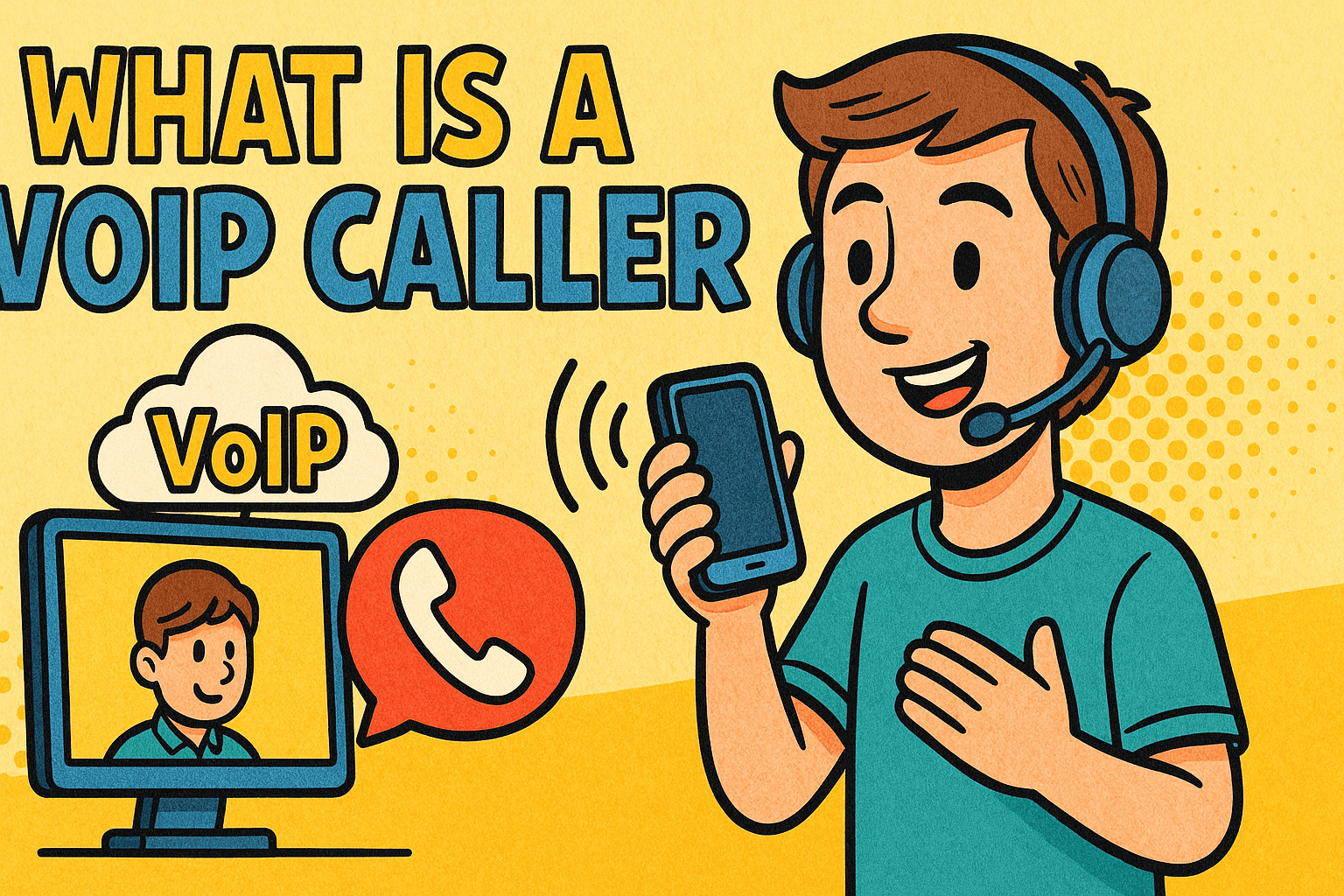
A VoIP caller is simply someone making a phone call using Voice over Internet Protocol (VoIP) technology. Instead of relying on traditional landline networks, VoIP calls are transmitted over the internet using digital data packets.
In simpler terms, when your caller ID shows “VoIP Caller”, it means the incoming call originated from an internet-based phone service.
Key Characteristics of VoIP Calls:
- Calls travel over the internet instead of copper telephone lines.
- Caller ID can be easily configured (and sometimes spoofed).
- Costs are significantly lower than traditional phone calls.
- They can be made using mobile apps, computers, or dedicated VoIP phones.
How Does a VoIP Caller Work?
To understand a VoIP caller, you need to understand how VoIP technology works:
- Voice Conversion – Your spoken words are converted into digital signals.
- Packetization – The data is broken down into small packets.
- Transmission – Packets travel across the internet.
- Reassembly – On the other end, packets are reassembled into audio.
Think of it like sending tiny voice “emails” that arrive in milliseconds, allowing seamless conversations.
Why Businesses Use VoIP Callers
1. Cost Savings
VoIP calls—especially international ones—are far cheaper than traditional landline calls.
2. Flexibility
Employees can make and receive calls from laptops, smartphones, or VoIP desk phones—perfect for remote workforces.
3. Scalability
Adding new users is simple, making VoIP ideal for growing companies.
4. Integration
VoIP systems often integrate with CRM, helpdesk, and collaboration tools, streamlining communication.
Security Concerns with VoIP Callers
While VoIP offers huge advantages, it also opens doors to cybersecurity risks. IT managers and CEOs must be aware of:
1. Caller ID Spoofing
Hackers can disguise their number to trick recipients into answering calls.
2. VoIP Hacking
Cybercriminals can intercept unencrypted VoIP traffic to eavesdrop on conversations.
3. Denial-of-Service (DoS) Attacks
Attackers flood a VoIP system with traffic, making it unusable.
4. Phishing & Vishing
Scammers use VoIP to impersonate banks, vendors, or even executives.
How to Identify a Suspicious VoIP Caller
- Unfamiliar Caller ID: Numbers without location or company information.
- Masked Numbers: Calls marked as “VoIP Caller.”
- Urgent or Threatening Tone: Common in scams.
- Request for Sensitive Data: Legitimate businesses rarely ask over the phone.
👉 Tip for IT teams: Use VoIP monitoring and fraud detection tools to flag unusual call patterns.
How to Secure Your Business Against VoIP Caller Threats
1. Enable Encryption
Use SIP (Session Initiation Protocol) with TLS and SRTP (Secure Real-Time Protocol) for end-to-end encryption.
2. Implement Strong Authentication
Require multi-factor authentication (MFA) for VoIP logins.
3. Use Firewalls & Intrusion Detection
VoIP-aware firewalls help block malicious traffic.
4. Regular Security Audits
Conduct penetration testing on your VoIP systems.
5. Educate Employees
Train staff to recognize phishing and spoofed calls.
Advantages of VoIP Caller Systems for Businesses
Despite risks, when properly secured, VoIP offers:
- Lower telecom costs (up to 60% cheaper).
- Remote work enablement—employees can work globally.
- Advanced features: call forwarding, voicemail-to-email, video calls.
- Scalability without expensive infrastructure changes.
Real-World Use Cases of VoIP Callers
- SMBs & Startups: Affordable communication systems.
- Enterprises: Unified communications across global offices.
- Healthcare: Secure telemedicine with encrypted calls.
- Financial Services: Enhanced client communication (with strict compliance).
The Future of VoIP Callers
As 5G and AI-driven security evolve, VoIP systems will become faster and more secure. However, cybercriminals are also adapting, making proactive defense essential.
For IT managers and executives, this means investing in secure VoIP infrastructure is no longer optional—it’s a business necessity.
FAQs About VoIP Callers
1. What does it mean when my phone says “VoIP Caller”?
It means the call originated from an internet-based phone system rather than a traditional landline.
2. Can VoIP numbers be traced?
Yes, but tracing VoIP numbers is more complex than tracing landlines due to masking and caller ID spoofing.
3. Are VoIP calls safe?
VoIP calls are safe when encrypted and properly managed, but they can be vulnerable to hacking if unsecured.
4. Why do scammers use VoIP?
Because it’s cheap, easy to disguise, and difficult to trace.
5. How can businesses protect against VoIP fraud?
By using encryption, MFA, VoIP firewalls, and employee awareness training.
Final Thoughts
So, what is a VoIP caller? It’s simply someone making a call over the internet instead of a traditional phone line. But beyond convenience and cost savings, VoIP comes with risks that demand serious cybersecurity measures.
For IT managers, CEOs, and business leaders, the decision isn’t whether to adopt VoIP—but how to secure it effectively.
👉 Want to safeguard your communication systems against VoIP threats? Request a Demo with Xcitium today.