What Is An Endpoint?
Updated on October 11, 2022, by Xcitium
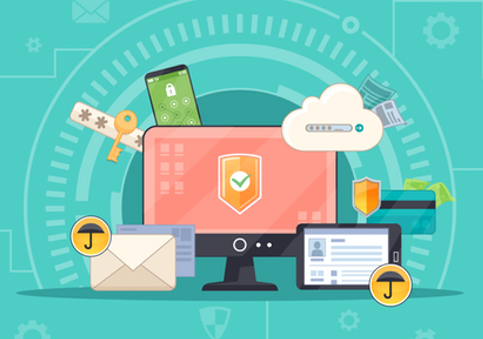
Endpoint protection or endpoint security are two words which receive a lot of attention from the security community. They have become crucial to IT-driven enterprises and is one of the most sought-after security products in the cybersecurity market. So what exactly is endpoint security? How does it protect enterprises? What are the advantages it offers? Here we try to answer all these questions.
Endpoint Definition
What is Endpoint? Endpoint definition means a point sitting on the edge. The point being referred to here are mobile devices like laptop, smartphone, tablets etc., and edge refers to the edge of the network. In other words, the mobile devices which can connect to a network from outside are known as endpoints. And since these mobile devices represent the last layer of the network (though located outside of the network, they are still part of it), they are termed as endpoints.
Therefore, simply put, any mobile device that has access to connect to a network from the outside is known as an endpoint.
Endpoint Protection Definition
The process of protecting computer networks of remotely connected client devices is called Endpoint Security or Endpoint Protection. Endpoint devices include laptops, tablets, mobile phones and other wireless devices on the corporate networks. Endpoint protection tries to ensure that all devices connected on the corporate network follow a certain level of compliance to standards.
Endpoint Security Definition
Endpoints or mobile devices when they are given the capability to connect to a network pose considerable danger to it, just like an outsider poses danger to any community. Therefore the network needs to be protected against these endpoints. And the process of securing these endpoints is known as endpoint security.
Endpoint security centers around 2 crucial elements: i) securing the network against the endpoints and ii) securing the endpoints themselves so that these endpoints which have been given access to the network don’t unintentionally end up affecting the network security. For this reason, endpoint security usually follows a client-server architecture, where the server continuously monitors all the clients (installed in each and every endpoint which is to be managed) to ensure the network’s security as well as the security of the endpoints.
How Does Endpoint Security Differ From Antivirus?
Antivirus is a part of endpoint security which is basically a collection of several security products whereas antivirus is a single stand-alone product. In other words, endpoint security is security tool which covers many security aspects and has multiple levels to it which can be regulated as per the security requirements of the enterprise that implement them. Antivirus software is usually used for protecting home PC(s) and is not sufficient to protect enterprises.
3 Advantages Of Using Endpoint Security
- Enables Mobile Workforce: Endpoint protection entered the security scene and gained popularity because it enabled the operation of mobile workforce securely from anywhere across the globe. This meant the employees were no longer required to be in the office premises to get the job done, they could be anywhere and yet connect with their enterprise network safely and securely.
- Employees Can Stay Connected 24/7 In A Highly Secure Manner: Previously, when mobile devices connected with enterprise networks, there was a considerable danger associated with such outside connections. But with the introduction of endpoint security tools, this has reduced greatly and now enterprises can allow their employees to stay connected with the network 24/7 without worrying about any security compromise.
- Offers Extra Security Layer Against Outsider & Insider Threats: Having endpoint security tool improves network security. Because it not only protects the network against the mobile endpoints but also improves the overall security posture of the network. Therefore it’s basically a win-win situation. Employees gain freedom and enterprises enhance their network security.
Conclusion:
The explosion of mobile devices like laptops, smartphones, tablets etc., has made it impossible for enterprises to survive without offering a mobile workforce option to the employees. Moreover, the benefits of offering a mobile workforce are just too many to be ignored altogether. Therefore enterprises have little choice but to embrace the endpoint security technology if they are to prosper.