What Are Rootkits? The Complete 2026 Cybersecurity Guide for Professionals
Updated on December 2, 2025, by Xcitium
If you’re researching what are rootkits, you’re likely concerned about one of the most dangerous and stealthy forms of malware in cybersecurity. Unlike traditional viruses or ransomware, rootkits hide deep within operating systems, gaining unauthorized access while staying invisible to users and even security tools. This makes them especially threatening to IT managers, cybersecurity teams, CEOs, and organizations of all sizes.
Rootkits allow attackers to control systems remotely, manipulate files, spy on user activity, disable security tools, and launch further attacks—all without detection. Whether you work in cybersecurity, manage critical infrastructure, or simply want to understand how hackers bypass modern defenses, learning about rootkits is essential.
This guide breaks down what rootkits are, how they work, types of rootkits, signs of infection, detection techniques, removal strategies, and how to protect your systems in 2026.
What Are Rootkits? (Simple Definition)
A rootkit is a type of malicious software designed to gain unauthorized root-level (administrator) access to a system while hiding its presence from the user and security tools.
The term comes from:
-
“root” → highest administrative privilege on Unix/Linux
-
“kit” → collection of tools
Rootkits:
-
Run silently in the background
-
Hide processes, files, and system activity
-
Provide long-term, covert access
-
Disable antivirus and security controls
-
Help attackers steal data, passwords, or control devices
👉 Rootkits are not just malware—they are stealthy, persistent control frameworks used by attackers.
Why Rootkits Are So Dangerous
While many types of malware cause damage, rootkits are uniquely powerful for several reasons:
✔ They hide from detection tools
Rootkits manipulate the operating system itself.
✔ They grant attackers full control
Access can include reading, modifying, or deleting sensitive data.
✔ They can disable security systems
Firewalls, antivirus, logs—rootkits can turn these off without detection.
✔ They persist across reboots
Some rootkits embed themselves in firmware or boot layers.
✔ They are used in advanced cyberattacks
Including espionage, nation-state hacking, and long-term persistent threats (APT).
Rootkits represent the ultimate “silent threat.”
How Rootkits Work (Step-by-Step Explanation)
To understand what rootkits are, it’s important to understand how attackers deploy them.
Here’s a typical timeline:
1. Initial Compromise
Attackers gain limited system access through:
-
Phishing
-
Exploit kits
-
Software vulnerabilities
-
Stolen passwords
-
Malicious downloads
2. Privilege Escalation
The attacker elevates privileges to administrator or root level.
3. Rootkit Installation
The attacker installs rootkit components onto:
-
The kernel
-
Firmware
-
Drivers
-
Application layers
4. Hiding Activity
Rootkits mask:
-
Processes
-
Network traffic
-
Files
-
Registry entries
-
Logs
5. Persistence
Some rootkits infect:
-
Boot sectors
-
Firmware
-
BIOS/UEFI
-
System drivers
Ensuring they reload on every startup.
6. Continuous Remote Control
The attacker can now:
-
Steal data
-
Install more malware
-
Monitor user behavior
-
Take control of systems
-
Exfiltrate sensitive information
All without raising suspicion.
Types of Rootkits (2026 Breakdown)
Rootkits can infect different layers of a system. Here are the major categories:
1. Kernel-Level Rootkits (Most Dangerous)
These target the core of the operating system.
-
Modify system calls
-
Hide malware processes
-
Gain deepest level of access
2. User-Mode Rootkits
Operate in application space.
-
Replace system files
-
Intercept commands
-
Spoof output to users
Less destructive but still dangerous.
3. Bootloader Rootkits (Bootkits)
Infect bootloaders and MBR/EFI partitions.
-
Activate before OS loads
-
Nearly impossible to detect
-
Persist after OS reinstalls
4. Firmware Rootkits
Hide in:
-
BIOS/UEFI
-
Network cards
-
Hard drives
-
Routers
-
Embedded systems
These survive:
-
Reboots
-
OS reinstalls
-
Drive wipes
5. Memory Rootkits
Reside in RAM.
-
Do not persist after restart
-
Difficult to catch while active
6. Virtualized Rootkits (Hypervisor Rootkits)
Run beneath the OS using a malicious hypervisor.
-
Can control the OS from outside
-
Difficult to detect
7. Hardware Rootkits
Embedded in physical components.
-
Rare
-
Often attributed to nation-state actors
How Attackers Use Rootkits
Rootkits serve many malicious purposes:
✔ Credential theft
✔ Keylogging
✔ Hiding ransomware
✔ Backdoor access
✔ Data exfiltration
✔ Disabling cybersecurity tools
✔ Botnet control
✔ Espionage
✔ APT attacks
✔ Manipulating system logs
Rootkits are typically part of a larger attack chain.
Signs Your System May Be Infected With a Rootkit
Rootkits are designed to be invisible—so symptoms are subtle.
Watch for:
-
Slow performance
-
Unexpected reboots
-
Disabled antivirus or firewall
-
Suspicious network traffic
-
Altered system configurations
-
Programs crashing regularly
-
Incorrect system logs
-
Unknown processes you cannot view or terminate
Because rootkits hide processes, you may never see obvious malware symptoms.
How Rootkits Are Detected (Advanced Methods)
Rootkit detection is extremely challenging.
Here’s how cybersecurity professionals detect them:
1. Behavioral Monitoring
Look for:
-
Abnormal CPU usage
-
System call manipulation
2. Signature-Based Scanning
Useful for known rootkit variants.
3. Heuristic Scanning
Detects suspicious behavior and hidden files.
4. Integrity Checking
Compares current system files to known clean versions.
5. Boot-Time Scanning
Scans system before the OS fully loads.
6. Memory Dump Analysis
Examines raw memory for hidden processes.
7. Out-of-Band Forensics
Using a clean, external system to scan the infected one.
For businesses, EDR (Endpoint Detection & Response) is essential for detection.
How to Remove a Rootkit
Rootkit removal is extremely difficult because rootkits embed so deeply.
Here are the most effective methods:
1. Use Specialized Rootkit Removal Tools
Tools designed to detect hidden system activity.
2. Boot into Safe Mode or Recovery Environment
Some rootkits cannot execute in reduced modes.
3. Perform Offline Scanning
Use:
-
Bootable USB drives
-
Live rescue systems
Scanning offline bypasses rootkit interference.
4. Reinstall the Operating System
In many cases, this is the safest method.
5. Replace Compromised Firmware or Hardware
Required for:
-
Firmware rootkits
-
Hardware-level infections
❗ The Most Effective Solution: Full System Wipe
For deeply embedded or undetectable rootkits, wiping the drive and reinstalling is the only guaranteed fix.
How to Prevent Rootkit Attacks
Prevention is significantly easier than removal.
Follow these best practices:
1. Use EDR/XDR Security Tools
Modern AI-driven tools catch hidden threats.
2. Keep All Software Updated
Patch vulnerabilities before attackers exploit them.
3. Enable Secure Boot + Firmware Protection
Hardware-backed security prevents bootkits.
4. Avoid Untrusted Downloads
Cracked software and unknown files are rootkit hotbeds.
5. Block Admin Privileges
Least-privilege access reduces rootkit installation risk.
6. Use MFA (Multi-Factor Authentication)
Prevents attackers from obtaining elevated access.
7. Train Employees
Human error is the root cause of many infections.
8. Monitor Network Traffic
Unexpected communications often signal hidden malware.
Rootkits in Cybersecurity: Business Impact
Rootkits are a major threat across industries.
Rootkit attacks can cause:
-
Stolen intellectual property
-
Compromised credentials
-
Downtime
-
Data exfiltration
-
Compliance violations
-
Reputational damage
-
Financial losses
-
Regulatory penalties
Organizations must integrate rootkit detection into their cybersecurity stack.
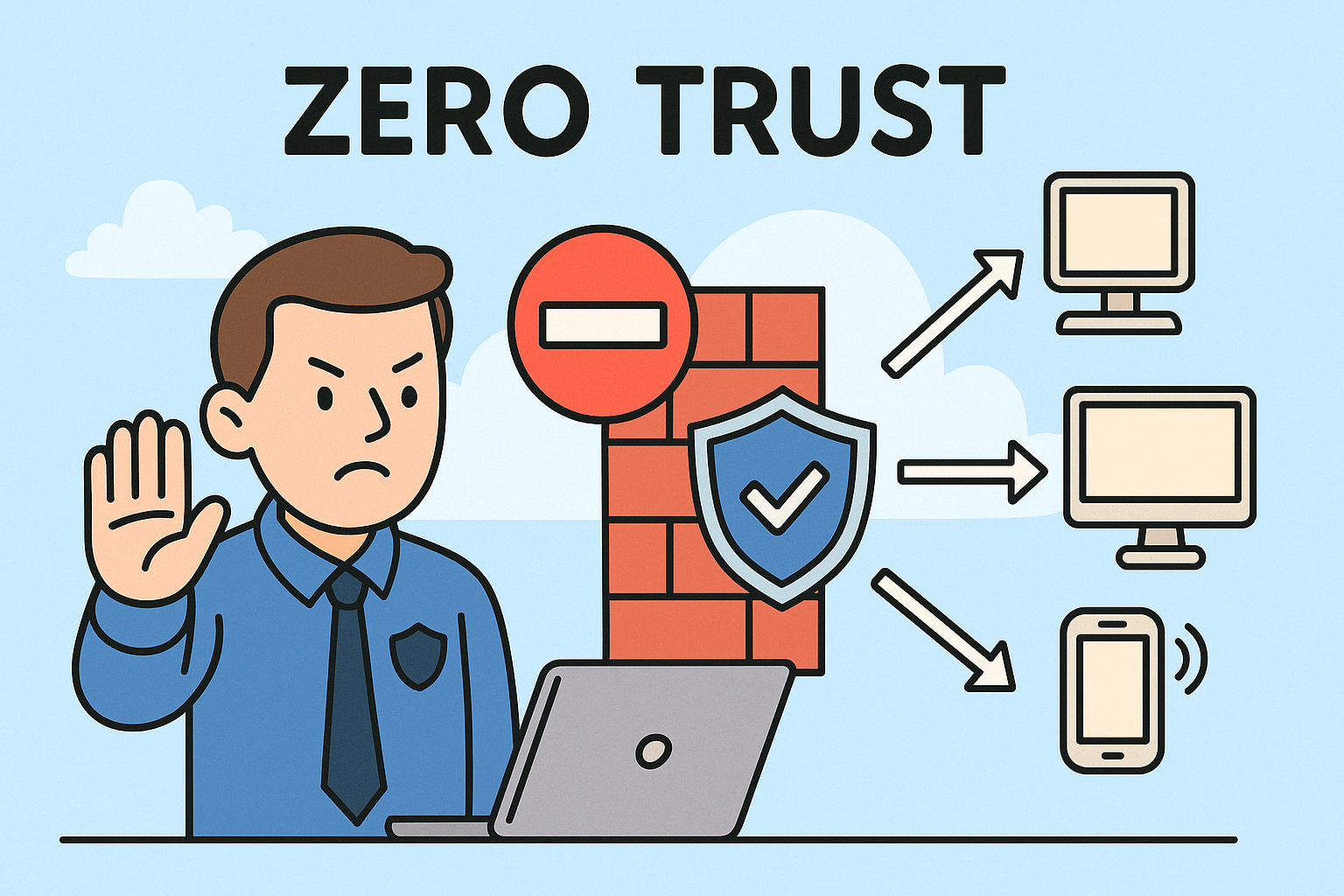
Rootkits and Zero-Trust Security
Zero-trust frameworks significantly reduce the risk of rootkit installation.
Key principles:
-
Never trust any device or user by default
-
Continuous verification
-
Network segmentation
-
Strict privilege control
-
Monitoring of all endpoints
Rootkits thrive in environments with poor access management.
Future of Rootkits (2026 and Beyond)
Attackers are evolving rootkits to bypass modern defenses.
Expected trends include:
-
AI-generated polymorphic rootkits
-
Rootkits targeting cloud containers
-
Firmware-level persistence in IoT devices
-
Hypervisor rootkits for virtual infrastructure
-
Supply chain rootkits injected during manufacturing
Cybersecurity professionals must prepare for increasingly stealthy threats.
FAQs: What Are Rootkits?
1. What is a rootkit in simple terms?
A hidden malware tool that gives attackers deep system access while hiding its presence.
2. Can antivirus detect rootkits?
Some can, but many rootkits evade traditional antivirus. EDR and specialized scanners are more effective.
3. What is the most dangerous type of rootkit?
Kernel-level and firmware rootkits due to their deep system access and persistence.
4. How can I remove a rootkit?
Use specialty removal tools, offline scanning, or reinstall the operating system.
5. Can a rootkit infect Macs or Linux?
Yes. Any OS with privilege escalation vulnerabilities can be infected.
Final Thoughts
Rootkits are among the most dangerous forms of malware due to their stealth, persistence, and ability to grant attackers full control over a compromised system. Understanding what rootkits are, how they spread, and how to defend against them is critical for cybersecurity leaders, IT managers, and business executives.
Strong endpoint protection, strict access controls, user training, and modern EDR tools offer the best defense against rootkit-based attacks.
🚀 Protect Your Organization Against Hidden Malware Threats
👉 Request a Demo: https://www.xcitium.com/request-demo/