How to DDoS? Why You Should Never Attempt It — and How to Protect Your Business Instead
Updated on December 9, 2025, by Xcitium
Every month, thousands of people search the phrase “how to DDoS” out of curiosity, frustration with a website, or a desire to understand how cyberattacks work. But here’s the reality: performing a Distributed Denial of Service (DDoS) attack is illegal, destructive, and punishable under cybercrime laws worldwide.
However, the high search volume also shows that many IT professionals, cybersecurity teams, and business leaders want to understand how DDoS attacks work so they can better defend their organizations.
In this guide, we will explore the topic in a safe, legal, and educational, way to help you understand the threat—not perform it. We’ll break down what a DDoS attack is, why searching “how to DDoS” can be dangerous, and more importantly, how to prevent these attacks using advanced endpoint and network security solutions.
What is a DDoS Attack? Understanding the Threat Behind “How to DDoS”
Before discussing prevention, it’s important to understand what people think they are searching for when they type “how to DDoS.”
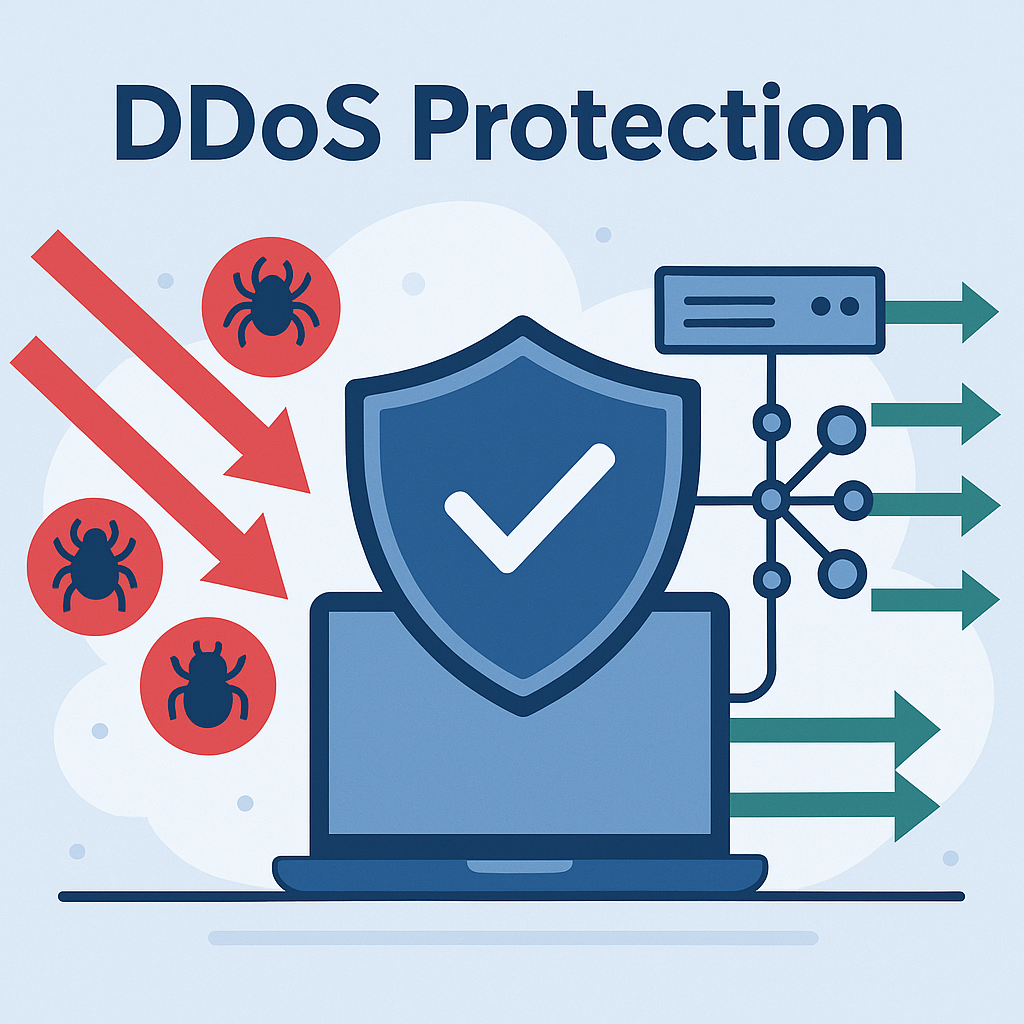
A DDoS attack (Distributed Denial of Service) occurs when an attacker floods a server, application, or network with overwhelming traffic, causing:
-
System slowdown
-
Website unavailability
-
Service disruptions
-
Operational downtime
Hackers often use botnets—networks of infected computers—to generate massive traffic. These attacks are inexpensive to launch but extremely costly for organizations to handle.
Why People Search “How to DDoS” — and Why It’s Dangerous
Many searches come from curiosity, gaming frustrations, or attempts to “test” networks. But there are serious consequences.
1. DDoS Attacks Are Illegal
Launching a DDoS attack is a federal crime in most countries. Punishments include:
-
Heavy fines
-
Permanent criminal records
-
Jail time
-
Civil lawsuits from affected victims
Even attempting a small-scale attack on a personal website or server is illegal.
2. DDoS Tools Are Usually Malware
Websites claiming to offer DDoS tools often distribute:
-
Spyware
-
Ransomware
-
Botnet infections
-
Keyloggers
Searching “how to DDoS” often leads people to malicious software designed to compromise their own system.
3. Ethical Cybersecurity Matters
IT managers, cybersecurity professionals, and business leaders must follow compliance and legal frameworks. Attempting a DDoS attack—even for testing—violates:
-
GDPR
-
PCI-DSS
-
HIPAA
-
NIST guidelines
Instead, organizations should use approved penetration testing tools or certified ethical hacking services.
How DDoS Attacks Work: A Breakdown for IT and Cybersecurity Leaders
Understanding how a DDoS attack functions is essential for building your defense strategy.
1. Volume-Based Attacks
Attackers flood your bandwidth with massive traffic, such as UDP floods or ICMP floods.
2. Protocol Attacks
These exploit server resources like firewalls or load balancers.
Examples:
-
SYN Flood
-
Ping of Death
3. Application Layer Attacks
These target the most resource-heavy operations like:
-
Login pages
-
Search functions
-
Shopping cart APIs
These attacks mimic normal user behavior, making them difficult to detect.
The Real Question Isn’t “How to DDoS” — It’s “How Do We Stop DDoS Attacks?”
For businesses, the right response isn’t learning how to attack but learning how to defend.
Below are key strategies every team—from IT managers to CEOs—should implement.
Effective Ways to Prevent DDoS Attacks
1. Deploy Advanced Endpoint Security
Modern attackers exploit endpoints to expand botnets.
Using advanced endpoint security software helps organizations:
-
Detect malware that joins botnets
-
Prevent unauthorized processes
-
Contain suspicious traffic behavior
Solutions like Xcitium ZeroDwell Containment stop unknown threats before they execute.
2. Use Network Traffic Monitoring Tools
Real-time visibility helps identify unusual spikes before they cause outages.
Monitoring tools can flag:
-
Abnormal bandwidth usage
-
Repeated connection attempts
-
Traffic from suspicious IP ranges
3. Implement Web Application Firewalls (WAF)
A WAF filters malicious traffic directed toward web applications while allowing legitimate traffic through.
4. Leverage Rate Limiting & Traffic Filtering
Rate limits help prevent:
-
Login page flooding
-
API overload
-
Repetitive request abuse
5. Build Redundancy and Load Balancing
Spreading traffic across multiple servers reduces the impact of a targeted attack.
6. Create an Incident Response Plan
Every organization should have a documented plan that includes:
-
Detection steps
-
Traffic rerouting procedures
-
Contact information for hosting providers
-
Communication strategies
Why DDoS Attacks Are Increasing Across Industries
Cybercriminals target specific industries for strategic reasons. Here are common motivations:
| Industry | Why They’re Targeted | Impact |
|---|---|---|
| Healthcare | Critical services | Service outages jeopardize patient care |
| Finance | High-value transactions | Disruptions cause major revenue loss |
| Retail | Heavy traffic seasons | Cart abandonment and sales loss |
| Manufacturing | OT vulnerabilities | Halts production lines |
| Government | Cyber warfare | Disrupts essential operations |
Understanding attacker motivations helps leaders develop proactive defenses.
What CEOs and Founders Need to Understand About DDoS Threats
Cyberattacks aren’t just IT problems—they’re business threats.
Financial Costs
Downtime can cost companies thousands—or millions—per minute.
Reputation Damage
Customers lose trust when systems are unavailable or compromised.
Compliance Risks
Repeated outages can indicate non-compliance during audits.
Operational Impact
Employees cannot perform daily tasks if systems fail.
Endpoint and network protection are essential investments—not optional ones.
DDoS Prevention Checklist for IT Managers
Use this checklist to assess your organization’s readiness:
✔ Do we have endpoint protection to prevent botnet infections?
✔ Do we monitor real-time network traffic?
✔ Do we use rate limiting and WAF solutions?
✔ Have we configured cloud-based anti-DDoS tools?
✔ Do we have an incident response plan?
✔ Have we trained our staff on cyber hygiene?
✔ Do we know our critical vulnerabilities?
If any of these are missing, your organization may be at risk.
Xcitium: The Modern Solution for DDoS-Related Threat Vectors
While Xcitium does not prevent large-scale DDoS floods directed at your network provider, it does prevent the underlying issues that make organizations vulnerable, including:
-
Malware that recruits endpoints into botnets
-
Unknown threats that escalate attacks internally
-
Lateral movement from compromised endpoints
Xcitium ZeroDwell Containment protects your environment by blocking suspicious activity before it impacts your systems.
Benefits include:
-
AI-powered threat detection
-
Real-time endpoint protection
-
Advanced isolation for unknown files
-
Cloud-based insights
-
Enterprise-level scalability
Conclusion: Instead of Learning “How to DDoS,” Learn How to Stay Protected
DDoS attacks are illegal, unethical, and increasingly destructive. Instead of learning “how to DDoS,” modern cybersecurity teams must learn:
-
How DDoS attacks function
-
How attackers exploit endpoints
-
How to build proactive defense strategies
-
How to reduce downtime and financial loss
By prioritizing endpoint and network security, organizations can stay resilient against modern cyber threats.
Protect Your Business From Cyber Threats — Get a Free Xcitium Demo
Take the proactive approach to cybersecurity.
👉 Request your demo today:
https://www.xcitium.com/request-demo/
FAQ: Safe, Educational Answers Related to “How to DDoS”
1. Is it illegal to perform a DDoS attack?
Yes. DDoS attacks are illegal globally and are considered cybercrime. Penalties include fines and imprisonment.
2. Why do people search “how to DDoS”?
Most searches come from curiosity or from people wanting to test networks. However, testing without authorization is illegal.
3. How can businesses protect themselves from DDoS attacks?
Using endpoint security, WAFs, network monitoring, and incident response planning significantly reduces risk.
4. Can DDoS attacks be completely prevented?
No solution can guarantee 100% prevention, but layered defenses make attacks far less effective.
5. What’s the safest way to learn about DDoS?
Studying cybersecurity, ethical hacking, and defensive strategies through certified training programs—not illegal experimentation



![what does dsl stand for]](https://www.xcitium.com/blog/wp-content/uploads/2026/01/what-does-dsl-stand-for.png)