The Rising Threat of Ransomware
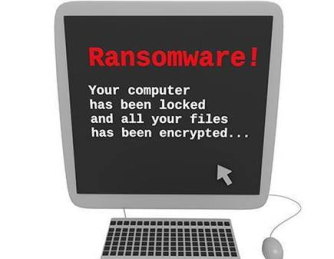
Ransomware remains one of the most significant cyber threats facing organizations. Attackers are becoming more sophisticated, using AI-driven malware, exploiting zero-day vulnerabilities, and targeting cloud environments. Organizations that fail to implement robust cybersecurity strategies risk devastating financial and reputational damage.
To stay ahead, businesses, agencies, and institutions must adopt a proactive approach to ransomware protection. In this article, we’ll explore the latest trends in ransomware threats and outline actionable steps to safeguard your organization.
Key Ransomware Threat Trends
- AI-Powered Ransomware
Cybercriminals are leveraging artificial intelligence to automate and personalize ransomware attacks. These AI-driven threats can bypass traditional defenses, adapt to security measures in real time, and increase their success rate.
- Targeted Cloud and SaaS Attacks
With the growing adoption of cloud services, ransomware operators are shifting their focus to cloud infrastructures. Businesses using public, private, or hybrid cloud environments must ensure their security policies and protections are up to date to prevent incursion data encryption and exfiltration.
- Double and Triple Extortion Tactics
Hackers are not only encrypting data but also threatening to publish or sell sensitive information. Some even launch repeated attacks on the same organizations, knowing they are vulnerable.
- Exploitation of Zero-Day Vulnerabilities
Attackers increasingly use zero-day exploits to gain access to networks before patches are available. Staying ahead of these threats requires continuous vulnerability assessments and patch management.
How to Protect Your Business from Ransomware Attacks
- Implement a Zero Trust Security Model
Traditional perimeter-based security approaches are no longer enough. A Zero Trust architecture ensures that every file, application, and executable is analyzed and verified before being allowed to run in production, eliminating the risk of unknown threats.
- Use Advanced Endpoint Protection (EPP) and Endpoint Detection & Response (EDR)
Deploying a next-generation EPP and EDR solution, such as Xcitium’s Zero Trust Endpoint Security, helps detect, analyze, and contain ransomware (including unknown threats) before it can execute and spread across your network.
- Strengthen Email and Web Security
Phishing emails remain a common entry point for ransomware. Implement Secure Email Gateway (SEG) solutions to filter malicious emails and Secure Internet Gateway (SIG) solutions to block access to ransomware-hosting sites.
- Enforce Regular Patch Management
Since ransomware often exploits unpatched vulnerabilities, ensuring timely updates of operating systems, applications, and firmware is crucial. Automated patch management tools help reduce the attack surface.
- Maintain Robust Backup Strategies
Regularly back up critical data using a 3-2-1 strategy: three copies, on two different media, with one offsite. Ensure backups are immutable and tested frequently to guarantee quick recovery in case of an attack.
- Implement Strong Access Controls and MFA
Limit user access to only what is necessary and enforce multi-factor authentication (MFA) to prevent unauthorized access to sensitive systems.
- Educate Employees on Cyber Hygiene
Your employees are the first line of defense. Conduct regular security awareness training to help them recognize phishing attempts, suspicious links, and social engineering tactics used in ransomware attacks.
- Deploy Network Segmentation and Traffic Monitoring
Segmenting your network reduces the spread of ransomware if an endpoint is compromised. Advanced threat monitoring solutions help detect and isolate threats before they can cause widespread damage.
- Partner with a Managed Security Service Provider (MSSP)
For businesses with limited in-house cybersecurity expertise, working with an MSSP ensures 24/7 threat monitoring, incident response, and proactive threat intelligence.
- Create and Test an Incident Response Plan
A well-defined and tested incident response plan minimizes downtime and financial loss in the event of an attack. It should outline steps for containment, eradication, and recovery.
Final Thoughts
Ransomware threats are evolving, but so are the defenses against them. Organizations must prioritize cybersecurity by adopting a Zero Trust approach, leveraging advanced security solutions, and fostering a culture of cyber awareness.
Xcitium’s Zero Trust architecture ensures that the safety or risk of every file, application, or executable is known—never assuming safety due to a lack of known danger. With a proactive approach, you can safeguard your business from the costly impact of ransomware
Protect Your Business Now
Stay ahead of ransomware threats with Xcitium’s cutting-edge cybersecurity solutions. Contact Us today for a free security assessment and learn how we can help you fortify your defenses against ransomware attacks.
Please give us a star rating based on your experience.


 (23 votes, average: 2.30 out of 5, rated)