What Is TTS? A Complete Guide to Text-to-Speech Technology
Updated on September 22, 2025, by Xcitium
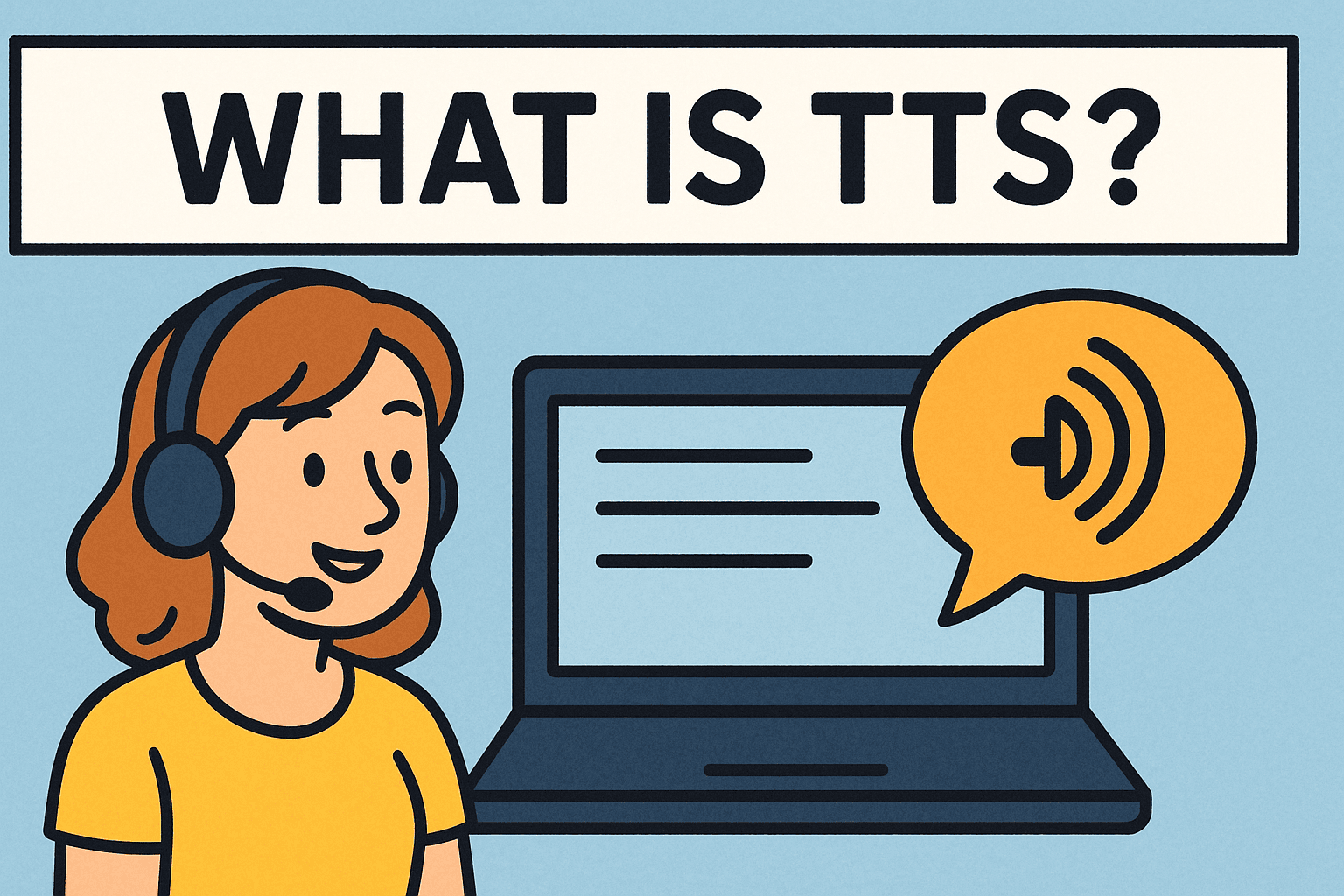
Have you ever asked yourself, “What is TTS, and why is it becoming so important in modern technology?” TTS, or Text-to-Speech, is a form of assistive and enterprise technology that converts written text into spoken audio. From virtual assistants to cybersecurity applications, TTS is reshaping how businesses and individuals interact with digital platforms.
For IT managers, cybersecurity professionals, and executives, understanding what TTS is goes beyond accessibility—it’s about efficiency, compliance, user experience, and security in communication systems.
What Is TTS (Text-to-Speech)?
At its core, TTS (Text-to-Speech) is a technology that reads digital text aloud using artificial intelligence and speech synthesis.
- Input: Written text (documents, messages, commands).
- Processing: AI models analyze grammar, context, and tone.
- Output: Human-like audio playback through speakers or devices.
👉 Simply put, TTS bridges the gap between written information and spoken interaction.
How Does TTS Work?
Understanding what is TTS requires looking at how it functions under the hood.
- Text Analysis: Breaks down sentences into words, phonetics, and grammar rules.
- Linguistic Processing: Determines pronunciation, stress, and intonation.
- Speech Synthesis: Converts processed data into natural-sounding speech.
- Delivery: Plays audio through a system’s speakers or voice channels.
👉 Modern TTS uses deep learning models to produce realistic, human-like voices.
Types of TTS Systems
Not all TTS systems are created equal.
- Concatenative TTS: Uses pre-recorded human speech segments.
- Formant TTS: Synthesizes speech from scratch using sound models.
- Neural TTS: AI-driven, produces highly natural and adaptive speech.
👉 Today, Neural TTS dominates due to its realism and adaptability.
Applications of TTS in Business and Cybersecurity
When exploring what is TTS, the value for businesses and security becomes clear.
- Accessibility: Enables visually impaired employees or customers to access digital content.
- Customer Support: Powers interactive voice response (IVR) systems.
- Productivity: Reads emails, reports, or system alerts aloud.
- Cybersecurity: Converts threat alerts into real-time voice notifications.
- Training & Compliance: Provides voice-based training modules for staff.
TTS and Cybersecurity Considerations
While TTS improves efficiency, it also raises security challenges.
- Voice Spoofing Attacks: Malicious actors may exploit synthesized voices to impersonate executives.
- Phishing Threats: Fake TTS-generated calls can trick users into sharing data.
- Data Privacy: Sensitive text converted to speech may be intercepted if unencrypted.
- Regulatory Compliance: Must comply with accessibility laws (ADA, WCAG) and data security standards.
Best Practices for Secure TTS Use
- Encrypt data processed through TTS systems.
- Train staff to recognize deepfake voice attacks.
- Use multi-factor authentication (MFA) alongside voice systems.
- Choose enterprise-grade TTS platforms with strong security policies.
Benefits of TTS for Enterprises
- Enhanced Accessibility: Meets compliance standards.
- Global Reach: Supports multiple languages and accents.
- Improved User Experience: Engages customers with natural voices.
- Efficiency: Reduces reliance on manual reading or interpretation.
- Automation: Integrates with AI and chatbots for 24/7 service.
Limitations of TTS
While powerful, TTS has drawbacks:
- Unnatural Speech (Older Systems): Early models sound robotic.
- Context Errors: May mispronounce industry jargon or acronyms.
- Privacy Risks: Cloud-based TTS may store sensitive data.
- Over-Reliance: Could reduce human oversight in critical security alerts.
TTS vs. Voice Recognition
Executives often confuse TTS with voice recognition. Here’s the difference:
- TTS (Text-to-Speech): Converts written text → spoken voice.
- Voice Recognition: Converts spoken voice → text or commands.
- Enterprise Use: Both are complementary in cybersecurity, customer service, and accessibility systems.
Future of TTS
The future of TTS is exciting and enterprise-focused:
- Emotionally Adaptive Speech: Voices that adjust tone based on context.
- Real-Time Multilingual Conversion: Bridging global communication gaps.
- Integration with Zero-Trust Systems: Secure voice alerts for IT and cybersecurity leaders.
- AI-Powered Personalization: Customized voices for brands and executives.
FAQs on TTS
Q1. What is TTS used for?
TTS is used for accessibility, customer support, training, and real-time voice alerts.
Q2. Is TTS the same as speech recognition?
No. TTS converts text to speech, while speech recognition converts voice to text.
Q3. Can TTS be hacked?
Yes, poorly secured TTS systems may expose sensitive data or be exploited in deepfake attacks.
Q4. Does TTS support multiple languages?
Yes, most enterprise-grade TTS solutions support dozens of languages.
Q5. Why should businesses care about TTS?
Because TTS improves efficiency, compliance, accessibility, and security readiness.
Conclusion: Why TTS Matters for Business Leaders
So, what is TTS? It’s more than a tool for accessibility—it’s a transformative technology enabling enterprises to improve efficiency, customer experience, and cybersecurity readiness.
For IT managers, cybersecurity leaders, and executives, TTS represents a key enabler of digital transformation. But like any powerful tool, it must be implemented securely and strategically.
👉 Ready to strengthen your enterprise communications with secure AI-driven solutions? Learn how Xcitium’s Zero-Trust security framework can protect your organization from emerging threats.