What Is Shadowing? A Complete Guide for Cybersecurity and IT Leaders
Updated on February 10, 2026, by Xcitium
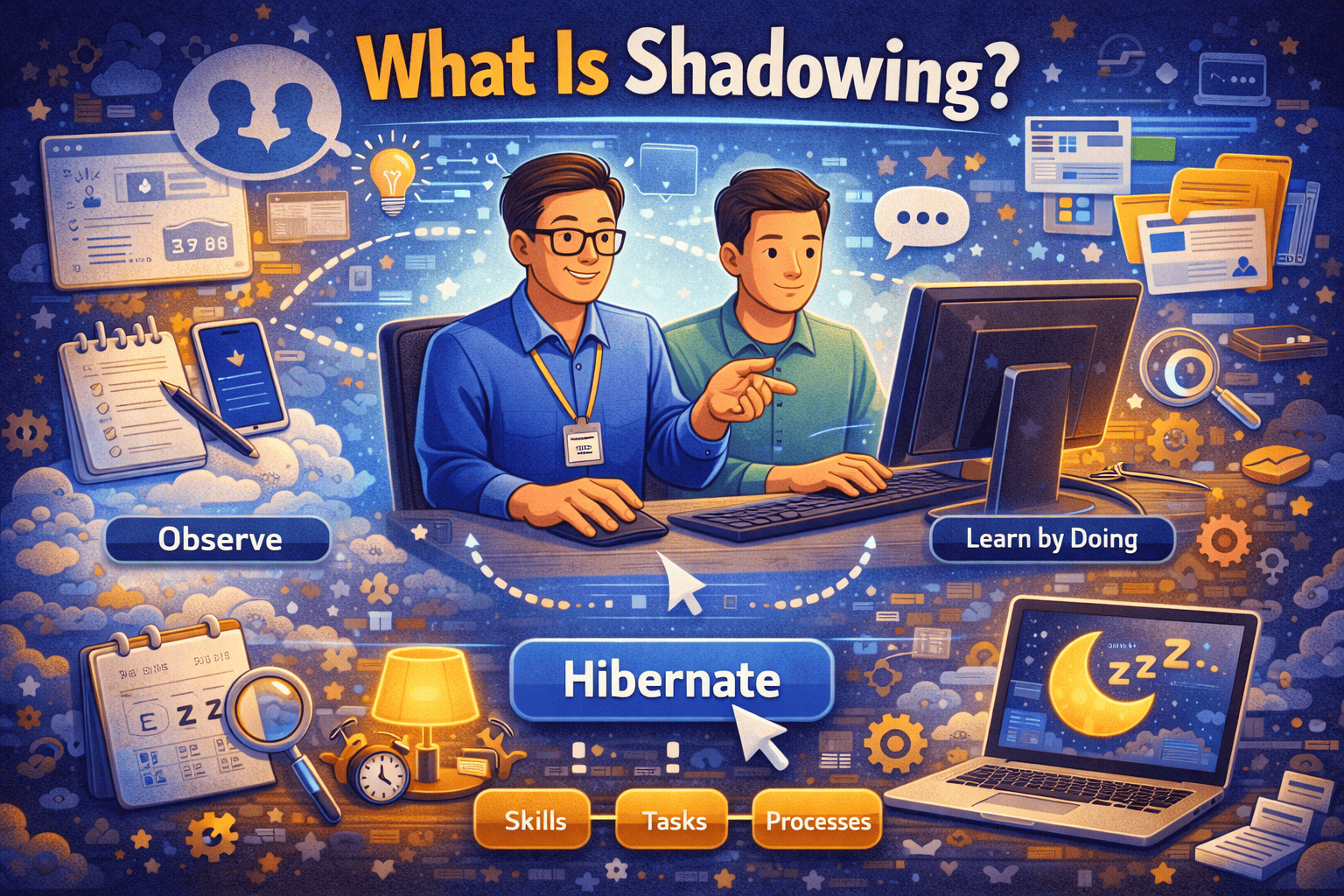
Have you ever discovered tools, applications, or processes running in your organization that no one officially approved? Or noticed employees using workarounds that bypass standard controls? These situations often lead to one important question: what is shadowing, and why does it matter?
Shadowing can be helpful in some contexts—but dangerous in others. In IT and cybersecurity, shadowing often introduces hidden risks that weaken security, compliance, and visibility. At the same time, shadowing can also signal gaps in tools, training, or workflows.
In this guide, we’ll explain what shadowing is, how it appears across industries, its risks and benefits, real-world examples, and how organizations can manage shadowing without stifling productivity.
What Is Shadowing?
Shadowing refers to the use of unofficial, unapproved, or unsanctioned tools, systems, processes, or behaviors that exist outside an organization’s formal policies or controls.
In simple terms, shadowing happens when people work around official systems instead of through them.
Shadowing can occur intentionally or unintentionally and often arises when:
-
Official tools feel slow or restrictive
-
Employees need quick solutions
-
Processes don’t match real workflows
-
IT approval takes too long
While shadowing is not always malicious, it often introduces hidden risk.
Types of Shadowing in Modern Organizations
Understanding what is shadowing requires recognizing its different forms.
Shadow IT
Shadow IT is the most common form in business environments.
Shadow IT examples:
-
Employees using personal cloud storage
-
Unapproved messaging apps
-
Free software downloads
-
Personal devices accessing work data
Shadow IT bypasses IT oversight and creates blind spots.
Shadow Processes
Shadow processes occur when employees follow unofficial workflows.
Examples include:
-
Manual spreadsheets replacing approved systems
-
Side channels for approvals
-
Informal data sharing methods
These processes often arise when official procedures feel inefficient.
Shadow Security Controls
This type of shadowing happens when teams implement their own security measures.
Examples:
-
Departments deploying their own tools
-
Custom scripts without review
-
Independent monitoring systems
While well-intentioned, this can fragment security posture.
Shadow Data
Shadow data refers to unmanaged or unknown data stores.
Examples:
-
Local copies of sensitive files
-
Personal backups
-
Duplicate databases
Shadow data increases exposure and compliance risk.
Why Shadowing Happens
To truly understand what is shadowing, you need to understand why it occurs.
Common causes of shadowing:
-
Slow approval processes
-
Lack of usable tools
-
Poor user experience
-
Insufficient training
-
Pressure to deliver results quickly
Shadowing is often a symptom—not the root problem.
When Shadowing Can Be Helpful
Not all shadowing is inherently bad.
Potential benefits include:
-
Faster innovation
-
Identification of tool gaps
-
Process improvement insights
-
Employee adaptability
In some cases, shadowing highlights areas where official systems need improvement.
Risks of Shadowing in Cybersecurity
From a cybersecurity perspective, what is shadowing becomes a critical concern.
Major risks include:
-
Unmonitored attack surfaces
-
Data leakage
-
Compliance violations
-
Increased breach likelihood
-
Lack of incident visibility
Shadowing often bypasses logging, monitoring, and controls.
Shadowing and Data Security Risks
Shadowing directly impacts data protection.
Data-related risks:
-
Sensitive data stored in unapproved locations
-
Weak or no encryption
-
Poor access control
-
Inability to revoke access
This makes shadowing a top concern for data security teams.
Shadowing and Compliance Challenges
Regulatory frameworks require visibility and control.
Compliance risks include:
-
Undocumented data handling
-
Lack of audit trails
-
Policy violations
-
Regulatory penalties
Understanding what is shadowing is essential for maintaining compliance.
Shadowing vs Innovation: Finding the Balance
Organizations often struggle to balance control and creativity.
Too much restriction leads to:
-
Workarounds
-
Reduced productivity
-
Shadowing growth
Too little control leads to:
-
Security gaps
-
Data exposure
-
Governance failures
The goal is managed flexibility, not rigid enforcement.
Real-World Examples of Shadowing
Let’s look at how shadowing appears in real environments.
Example 1: Cloud Storage
Employees upload sensitive files to personal cloud accounts to collaborate faster.
Example 2: Messaging Apps
Teams use unapproved chat apps instead of official platforms.
Example 3: Security Tools
A department installs its own endpoint protection without coordination.
Each example solves a short-term problem—but introduces long-term risk.
Shadowing in Different Industries
Shadowing looks different across sectors.
Healthcare
Shadowing may involve personal devices accessing patient data, risking HIPAA violations.
Financial Services
Unauthorized analytics tools can expose financial data and trading insights.
Manufacturing
Shadow processes may bypass operational controls or quality systems.
Technology and SaaS
Developers may deploy unapproved services or APIs.
Industry context shapes both risk and response.
How to Detect Shadowing
You can’t manage what you can’t see.
Detection methods include:
-
Network traffic analysis
-
Application discovery tools
-
Endpoint monitoring
-
User behavior analytics
-
Data access audits
Visibility is the first step toward control.
How to Reduce Shadowing Without Killing Productivity
Cracking down without understanding rarely works.
Effective strategies:
-
Provide better tools
-
Simplify approval processes
-
Educate users on risks
-
Involve teams in solution selection
-
Monitor instead of blocking blindly
Addressing the why reduces shadowing naturally.
Shadowing and Zero Trust Security
Zero Trust principles help manage shadowing risk.
Zero Trust helps by:
-
Verifying every access request
-
Limiting implicit trust
-
Monitoring behavior continuously
-
Reducing lateral movement
Shadowing becomes less dangerous when access is tightly controlled.
Role of Automation and Visibility Tools
Automation makes shadowing manageable at scale.
Automation benefits:
-
Continuous discovery
-
Real-time alerts
-
Reduced manual oversight
-
Faster response
Modern security tools make shadowing visible without slowing teams down.
Creating a Shadowing Policy
Formal policies help set expectations.
A good shadowing policy should:
-
Define acceptable use
-
Outline approval processes
-
Explain risks clearly
-
Encourage reporting, not punishment
The goal is transparency, not fear.
Common Mistakes Organizations Make
Even mature organizations struggle.
Common mistakes:
-
Treating all shadowing as malicious
-
Blocking tools without alternatives
-
Ignoring user experience
-
Failing to monitor continuously
These mistakes often make shadowing worse, not better.
The Future of Shadowing
Shadowing isn’t going away.
Trends shaping the future:
-
Remote and hybrid work
-
SaaS sprawl
-
Employee-led innovation
-
Decentralized IT environments
Understanding what is shadowing will only become more important.
FAQs: What Is Shadowing?
1. What is shadowing in cybersecurity?
Shadowing refers to unapproved tools, systems, or processes that bypass security controls.
2. Is shadowing always a bad thing?
No. Shadowing can highlight gaps, but unmanaged shadowing increases risk.
3. What is shadow IT?
Shadow IT is the use of unauthorized software, hardware, or services by employees.
4. How can organizations detect shadowing?
Through monitoring, discovery tools, and behavioral analysis.
5. Can shadowing be prevented entirely?
No, but it can be reduced and managed effectively.
Final Thoughts: Why Understanding Shadowing Matters
Understanding what is shadowing is not about policing employees—it’s about protecting the organization while enabling people to work effectively.
Shadowing reveals:
-
Process gaps
-
Tool limitations
-
Security blind spots
When handled correctly, shadowing becomes an opportunity to improve—not just a risk to eliminate.
Take the Next Step Toward Better Visibility and Control
Want deeper visibility into hidden tools, data access, and security blind spots across your environment?
👉 Request a demo today:
https://www.xcitium.com/request-demo/
Discover how advanced visibility and security solutions help organizations identify and manage shadowing risks without slowing productivity.