What Is an ERP System? A Complete Guide for Business Leaders
Updated on September 22, 2025, by Xcitium
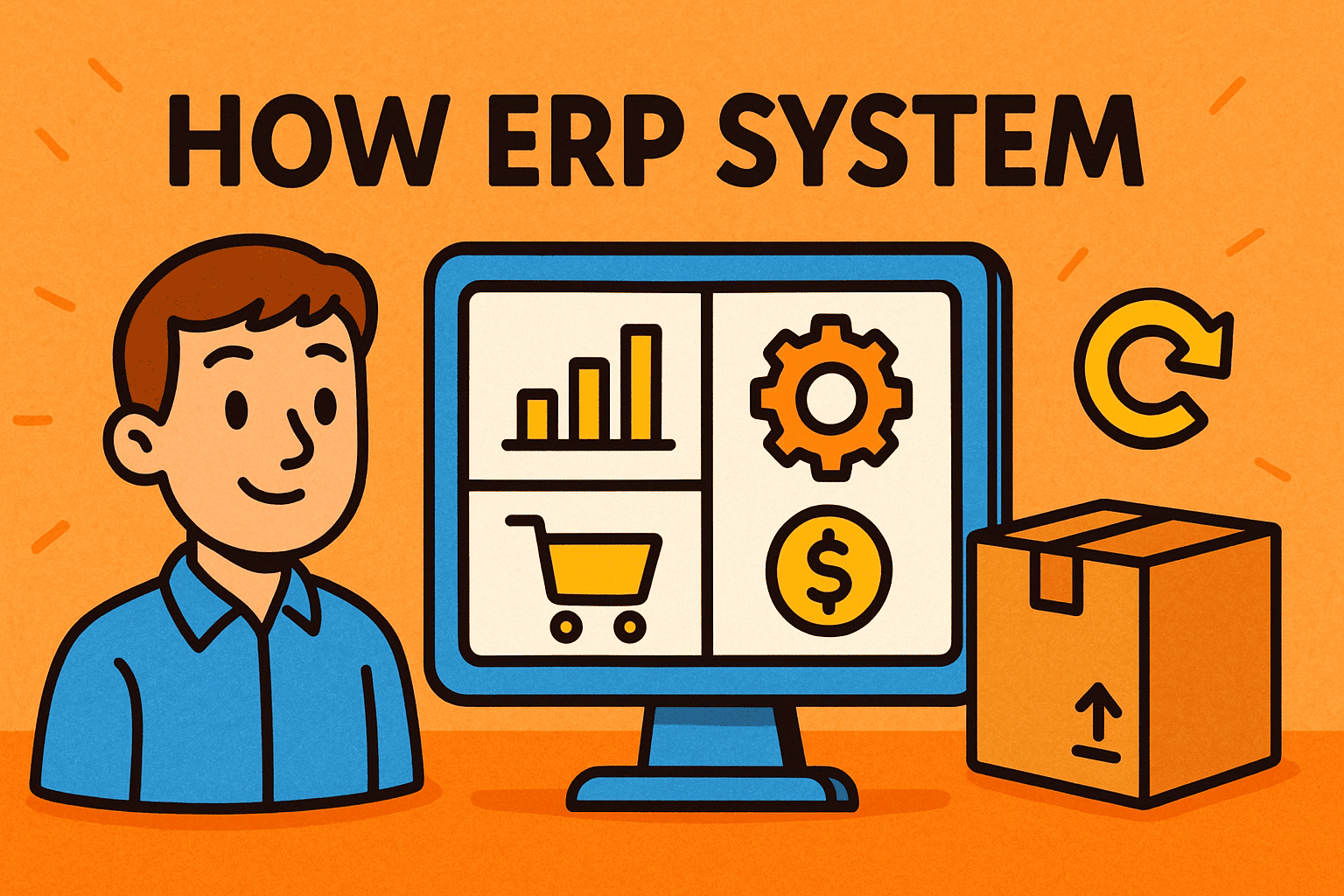
Have you ever asked yourself, “What is an ERP system, and why do so many enterprises depend on it?” ERP (Enterprise Resource Planning) systems have become the backbone of modern business operations. They integrate core functions—finance, HR, supply chain, sales, and IT—into a single, streamlined platform.
For IT managers, cybersecurity professionals, and CEOs, knowing what an ERP system is is not just about efficiency—it’s about data security, compliance, and future-proofing enterprise operations.
What Is an ERP System?
An ERP system (Enterprise Resource Planning system) is software that helps organizations manage and integrate their core business processes into a centralized system.
- Integration: Combines finance, HR, supply chain, manufacturing, and more.
- Data-Driven: Provides real-time analytics for informed decision-making.
- Scalability: Adapts to both SMBs and global enterprises.
👉 In simple terms, ERP is the central nervous system of a business.
How Does an ERP System Work?
Understanding what is an ERP system requires looking at its mechanics:
- Data Centralization: Stores business data in one unified database.
- Process Automation: Automates tasks like payroll, procurement, and reporting.
- Real-Time Insights: Dashboards and analytics empower leadership decisions.
- Integration with Third-Party Tools: Connects CRM, e-commerce, and cybersecurity platforms.
Key Features of ERP Systems
Most ERP systems share a set of powerful features:
- Financial Management: Accounting, reporting, compliance tracking.
- Human Resources (HR): Payroll, recruiting, performance management.
- Supply Chain Management: Inventory, logistics, vendor relations.
- Customer Relationship Management (CRM): Sales, marketing, and support.
- Analytics & Reporting: Data-driven dashboards for leaders.
- Cybersecurity Integration: Role-based access, encryption, and monitoring.
Benefits of an ERP System
When leaders ask what is an ERP system good for, these benefits stand out:
- Efficiency: Eliminates silos and reduces manual work.
- Data Accuracy: Provides a single source of truth.
- Scalability: Supports enterprise growth and acquisitions.
- Cost Savings: Streamlines operations and reduces duplication.
- Compliance: Simplifies industry regulations (e.g., SOX, GDPR, HIPAA).
- Security: Centralized control reduces vulnerabilities.
ERP System Examples
Some of the most widely used ERP solutions include:
- SAP ERP: Popular among global enterprises.
- Oracle NetSuite: Cloud-based ERP for SMBs and enterprises.
- Microsoft Dynamics 365: Integrates with Microsoft ecosystem.
- Infor ERP: Known for industry-specific solutions.
- Odoo: Open-source ERP for customization flexibility.
ERP and Cybersecurity
Because ERP systems store sensitive data, they are prime targets for cyberattacks.
Threats
- Data Breaches: Unauthorized access to financial and HR data.
- Insider Threats: Employees exploiting access privileges.
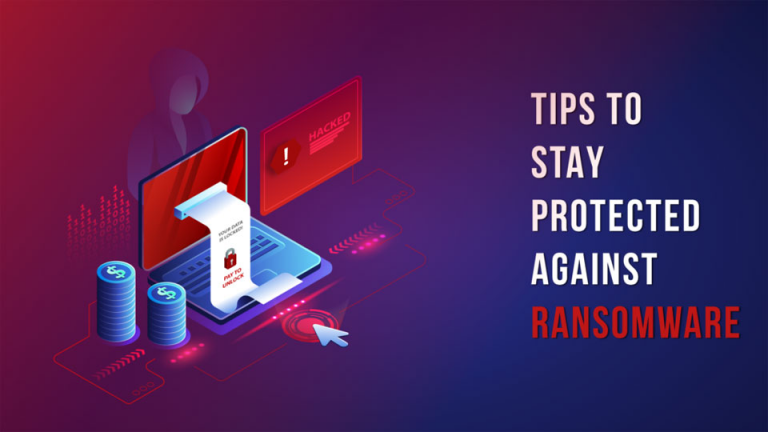
- Ransomware: Targeting ERP servers to disrupt operations.
- API Exploits: Weak integrations exposing vulnerabilities.
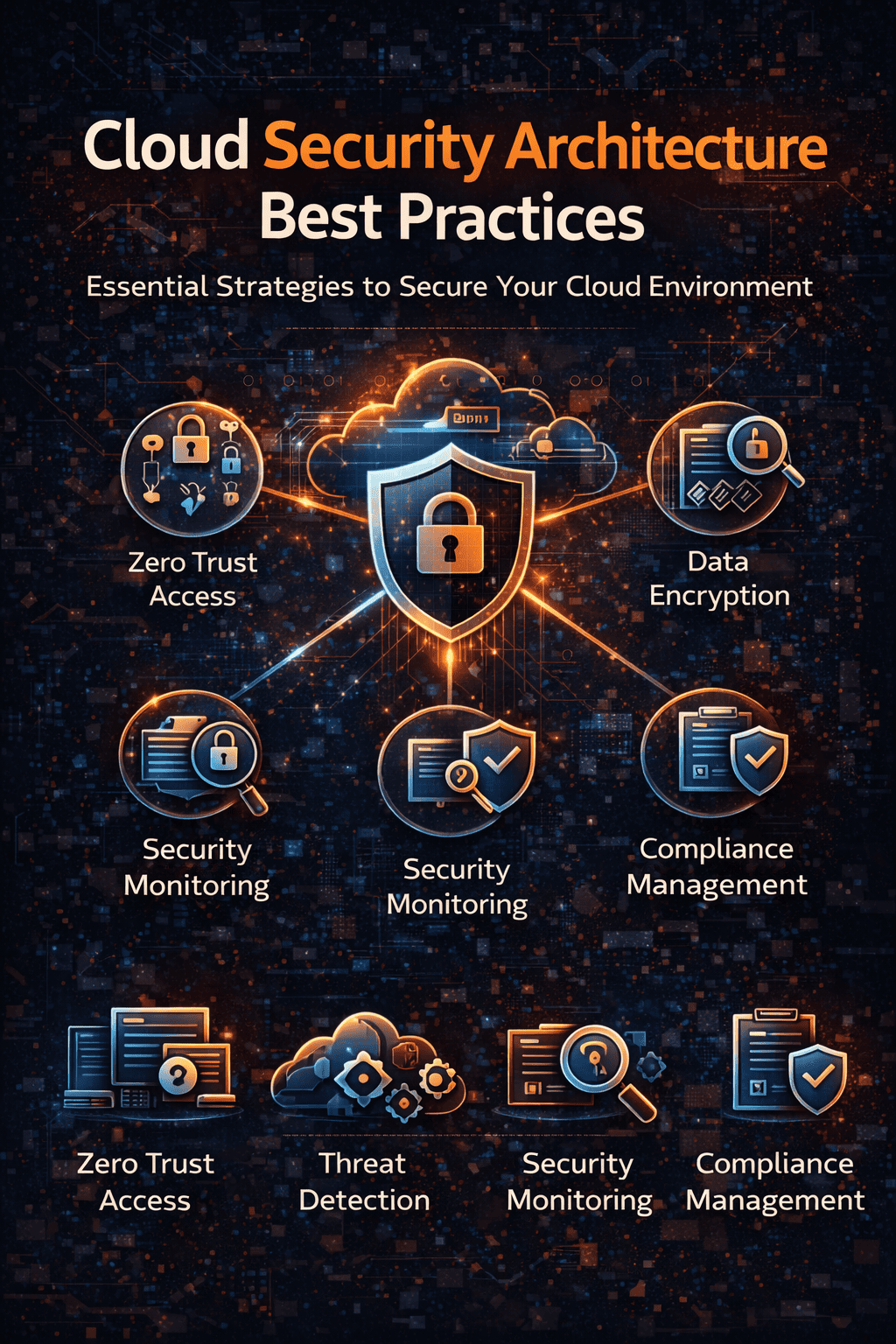
Best Practices for Securing ERP Systems
- Enforce Zero-Trust security models.
- Apply role-based access control (RBAC).
- Regularly patch and update ERP software.
- Encrypt sensitive ERP data at rest and in transit.
- Monitor with SIEM (Security Information and Event Management) tools.
Cloud ERP vs. On-Premise ERP
When deciding on what is an ERP system deployment model, businesses must choose between cloud and on-premise.
- Cloud ERP:
- Scalable, cost-effective, accessible anywhere.
- Security handled by vendors.
- Subscription-based.
- On-Premise ERP:
- Full control over data and security.
- Higher upfront costs.
- Requires in-house IT support.
👉 Many enterprises adopt a hybrid ERP strategy for balance.
Challenges of ERP Systems
Despite the benefits, ERP implementation can be complex:
- High Costs: Licensing, customization, and training.
- Implementation Time: Can take months or years.
- Customization Risks: Over-customization may hinder updates.
- Cybersecurity Threats: Centralized systems are high-value targets.
- User Resistance: Employees may resist process changes.
FAQs on ERP Systems
Q1. What is an ERP system in simple terms?
It’s software that centralizes and automates core business functions like finance, HR, and supply chain.
Q2. What industries use ERP systems?
ERP is used in manufacturing, retail, healthcare, finance, government, and more.
Q3. Is ERP only for large enterprises?
No. Cloud-based ERP solutions make it affordable for SMBs as well.
Q4. How does ERP improve cybersecurity?
By centralizing control, applying role-based access, and integrating with modern security tools.
Q5. What’s the difference between ERP and CRM?
ERP manages internal processes, while CRM focuses on customer relationships.
Conclusion: Why ERP Matters for Business and Security Leaders
So, what is an ERP system? It’s an integrated software solution that powers business efficiency, growth, and security. From managing finances to safeguarding sensitive data, ERP systems are central to modern enterprise success.
For IT managers, cybersecurity professionals, and CEOs, adopting ERP is not just a technology decision—it’s a strategic move to ensure competitiveness and resilience.
👉 Ready to secure your ERP infrastructure with advanced protection? Learn how Xcitium’s Zero-Trust solutions safeguard enterprise systems against cyber threats.