What Does the CNN Stand For? A Complete Guide
Updated on August 18, 2025, by Xcitium
Have you ever read “CNN” in a headline or tech article and wondered — what does the CNN stand for? Acronyms like CNN can mean completely different things depending on the context. For many, CNN instantly brings to mind the major news network. But in technology, machine learning, and business, CNN can mean something entirely different.
In this article, we’ll unpack the various meanings of CNN, when to use each one, and why understanding context is crucial for professionals in IT, cybersecurity, and leadership.
CNN in Media: Cable News Network
The most recognized meaning of CNN is Cable News Network, an American news channel launched in 1980.
- Founder: Ted Turner
- Headquarters: Atlanta, Georgia
- Claim to Fame: First 24-hour TV news channel
For IT managers and business leaders, CNN as a news outlet is a primary source for global current events. In cybersecurity, following reliable news can be vital for staying updated on data breaches, policy changes, and global threats.
CNN in Technology: Convolutional Neural Network
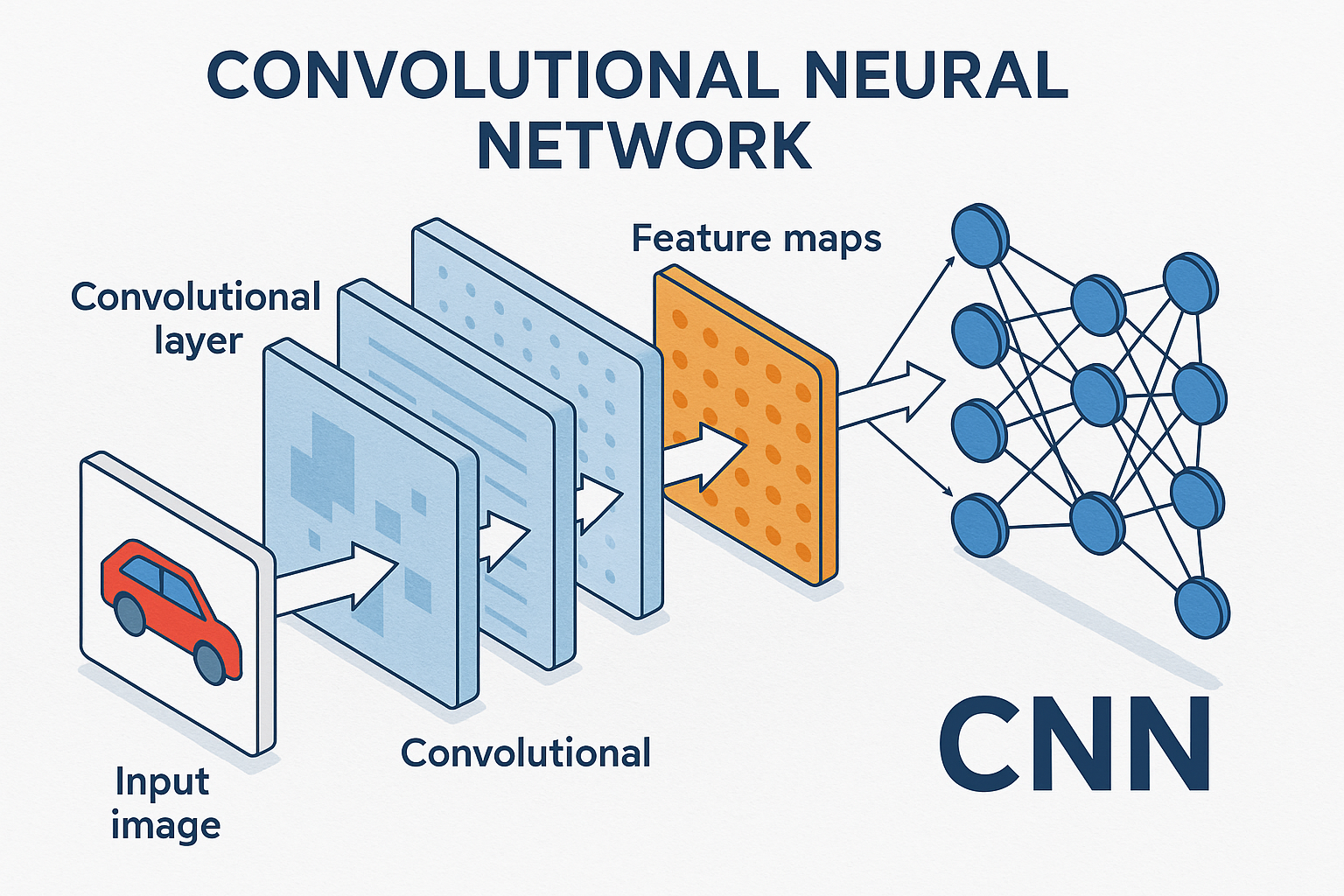
In the tech and AI world, CNN stands for Convolutional Neural Network — a deep learning algorithm primarily used in image recognition and computer vision tasks.
Key Points:
- Purpose: Processes and recognizes patterns in visual data
- Uses: Facial recognition, medical imaging, autonomous vehicles, cybersecurity threat detection
- Advantages: Highly accurate in detecting features in images and videos
Example in Cybersecurity: CNNs can scan and identify suspicious patterns in surveillance footage or detect anomalies in network traffic images.
Why Context Matters When Defining CNN
Acronyms like CNN can cause confusion if you don’t know the setting:
- Media Article: Likely means Cable News Network
- AI Research Paper: Likely means Convolutional Neural Network
- Corporate Report: Could be either, depending on the subject
For IT managers and cybersecurity experts, understanding both definitions can improve communication between technical teams, executives, and external partners.
Common Misunderstandings About CNN
- Assuming one meaning fits all – leads to confusion in meetings.
- Mixing up AI with media references – especially in multi-department projects.
- Not clarifying in presentations – always define acronyms upfront.
How CNNs (the Tech Kind) Are Changing Cybersecurity
Convolutional Neural Networks are becoming a powerful tool in security:
- Detecting malicious files by analyzing visual patterns in code structure.
- Monitoring video feeds for physical intrusions.
- Enhancing biometric authentication with more accurate facial recognition.
Related Keywords to Boost SEO
- what does CNN stand for in news
- CNN in artificial intelligence
- meaning of CNN in technology
- CNN full form
Best Practices for Communicating Acronyms in Business
- Spell it out first use – e.g., “Convolutional Neural Network (CNN)”
- Know your audience – avoid tech terms in executive briefings unless explained.
- Provide context – whether in reports, presentations, or emails.
Frequently Asked Questions (FAQ)
- What does CNN stand for in media?
CNN in media stands for Cable News Network, a major US-based news channel. - What does CNN stand for in AI?
In artificial intelligence, CNN means Convolutional Neural Network, a deep learning model used in image processing. - Can CNN mean something else?
Yes. In different industries, it might have other niche meanings, but these two are the most common. - How does CNN AI relate to cybersecurity?
It helps detect threats by analyzing patterns in images, videos, or even malware code. - Should I clarify CNN in presentations?
Absolutely — defining it ensures your audience knows exactly which CNN you mean.
Final Thoughts
The next time someone asks what does the CNN stand for, you’ll know it can mean Cable News Network in media or Convolutional Neural Network in tech. Context determines the meaning — and for professionals in cybersecurity, IT, and leadership, that distinction matters.
Take Your Cybersecurity to the Next Level
Understanding acronyms is one thing — securing your systems is another.
👉 Request a free Xcitium demo and see how AI-powered tools can protect your business.