What Is Cloud Computing? A Practical Guide for Modern Businesses
Updated on June 20, 2025, by Xcitium
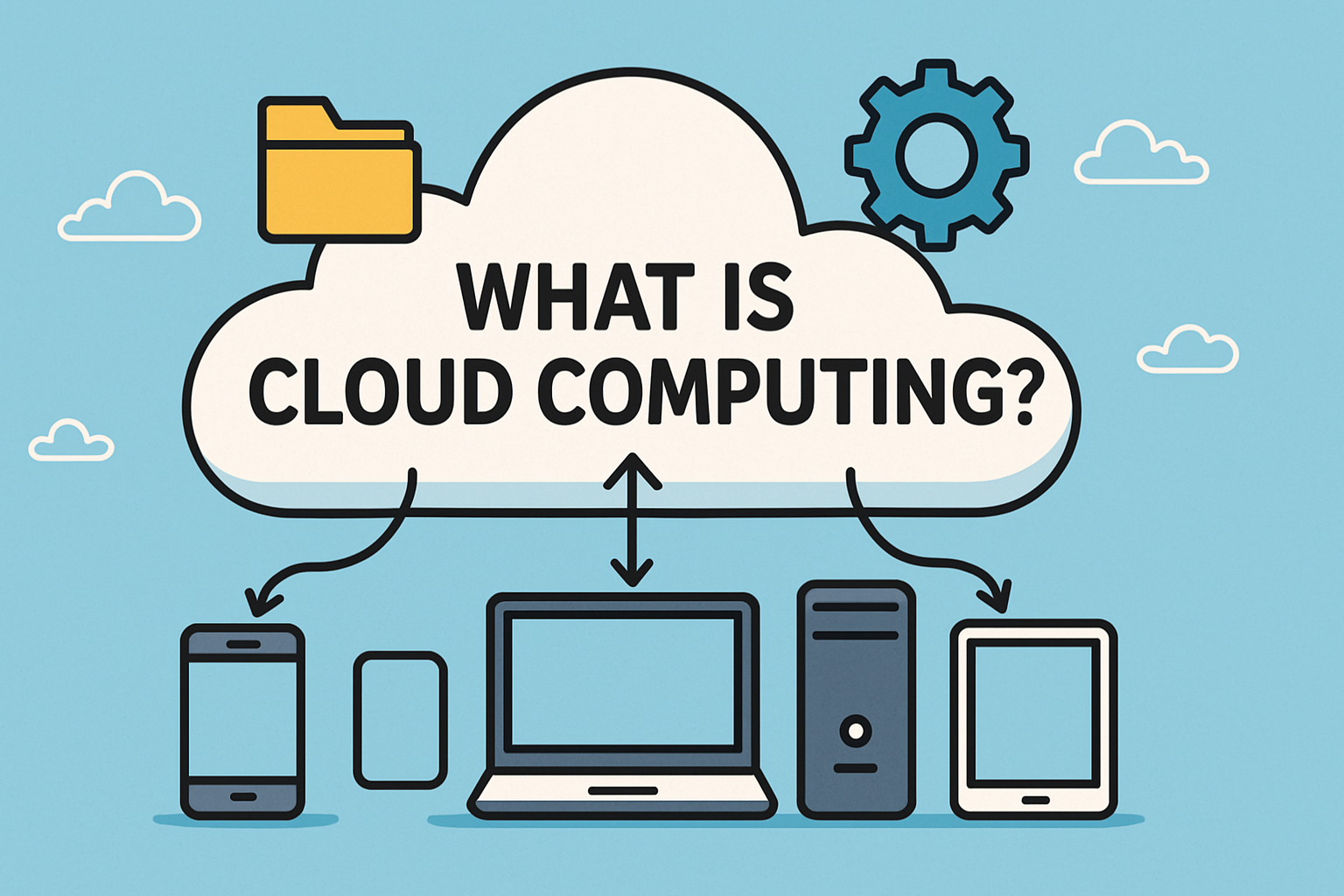
What is cloud computing, and why has it become the backbone of today’s digital transformation? With nearly every business relying on internet-based tools, cloud computing enables fast, scalable, and secure access to software, storage, and computing power—without the need for physical infrastructure.
In this guide, we’ll explain the cloud computing definition, explore various cloud computing services, compare cloud computing platforms and providers, and help you understand how it all works in the real world.
What Is Cloud Computing?
Cloud computing is the delivery of computing services—including servers, storage, databases, networking, software, analytics, and more—over the internet (“the cloud”). Rather than owning and maintaining physical data centers or servers, organizations rent access to these resources from a cloud provider.
Cloud Computing Definition (Simplified):
Cloud computing means storing and accessing data and programs over the internet instead of your computer’s hard drive.
Key Characteristics:
- On-demand self-service
- Broad network access
- Resource pooling
- Rapid elasticity
- Measured service
Types of Cloud Computing Services
Cloud services typically fall into three categories:
1. IaaS (Infrastructure as a Service)
Provides virtualized computing resources—like cloud computing servers, storage, and networking.
- Example: Amazon EC2, Microsoft Azure VMs
2. PaaS (Platform as a Service)
Provides tools and environments for developers to build, test, and deploy applications.
- Example: Google App Engine, Heroku
3. SaaS (Software as a Service)
Delivers applications over the internet, eliminating the need for local installation.
- Example: Microsoft 365, Salesforce, Dropbox
Common Cloud Computing Platforms & Providers
Top cloud computing providers dominate the market with reliable, scalable services:
Leading Cloud Platforms:
- Amazon Web Services (AWS)
- Microsoft Azure
- Google Cloud Platform (GCP)
- IBM Cloud
- Oracle Cloud Infrastructure (OCI)
Each platform offers a wide range of services from machine learning to container orchestration.
How Does a Cloud Computing Server Work?
A cloud computing server is a virtual server hosted in a cloud environment that can be provisioned on demand. These servers run applications and services and can scale dynamically based on need.
Advantages:
- Cost-efficiency
- Easy scalability
- Automatic software updates
- Built-in disaster recovery
Benefits of Cloud Computing for Businesses
✅ Scalability
Easily scale resources up or down depending on demand.
✅ Cost Efficiency
Pay only for what you use—no upfront hardware costs.
✅ Accessibility
Access files and apps from anywhere with an internet connection.
✅ Security
Cloud computing providers invest in advanced data protection, encryption, and compliance protocols.
✅ Innovation
Quickly adopt new technologies like AI, machine learning, and data analytics.
Cloud Computing Certification: Why It Matters
A cloud computing certification can validate your expertise and increase job opportunities in a high-demand field.
Popular Certifications:
- AWS Certified Solutions Architect
- Microsoft Certified: Azure Fundamentals
- Google Cloud Certified Professional Cloud Architect
- CompTIA Cloud+
- Certified Cloud Security Professional (CCSP)
Who Should Get Certified:
- IT managers
- Network administrators
- Cybersecurity specialists
- Software developers
Real-World Use Cases of Cloud Computing
Cybersecurity
- Host threat detection and response platforms
- Store logs for SIEM analysis
E-Commerce
- Use SaaS platforms for storefronts and inventory management
- Handle seasonal traffic spikes with elastic compute power
Healthcare
- Secure patient records with HIPAA-compliant cloud services
- Analyze large datasets for research and diagnostics
Finance
- Real-time fraud detection using AI
- Automated compliance reporting
Key Trends in Cloud Computing
1. Hybrid and Multi-Cloud Strategies
Companies are using multiple providers to reduce risks and improve flexibility.
2. Edge Computing
Processing data closer to the source (IoT devices) to reduce latency.
3. Serverless Architecture
Developers can run code without managing infrastructure.
4. AI Integration
AI cloud services help organizations analyze data, automate tasks, and improve customer experiences.
Security in Cloud Computing
Cloud providers implement multiple layers of security, but users also share responsibility.
Best Practices:
- Use strong identity and access controls
- Encrypt data at rest and in transit
- Regularly audit cloud environments
- Deploy security information and event management (SIEM) tools
FAQs About Cloud Computing
1. What is cloud computing in simple terms?
It’s using the internet to store and access data and programs instead of using your local computer or server.
2. Is cloud computing secure?
Yes—when best practices are followed. Major providers use encryption, multi-factor authentication, and compliance standards.
3. What are the top cloud computing platforms?
AWS, Microsoft Azure, and Google Cloud Platform are the industry leaders.
4. Can I get certified in cloud computing?
Absolutely. Certifications are available for AWS, Azure, GCP, and vendor-neutral options like CompTIA Cloud+.
5. What is the difference between SaaS, PaaS, and IaaS?
SaaS delivers software, PaaS offers development tools, and IaaS provides raw computing infrastructure.
Final Thoughts: Building the Future in the Cloud
Understanding what is cloud computing is essential in today’s digital age. From scalable infrastructure to secure services and AI integration, cloud computing offers the foundation for innovation across every industry.
Ready to secure and streamline your operations with cloud-powered protection? Request a demo from Xcitium today.