AWS: What Is It and Why It Matters for Businesses
Updated on August 25, 2025, by Xcitium
If you’ve ever wondered “AWS what is it and why is it everywhere?”, you’re not alone. Amazon Web Services (AWS) has become the world’s most widely adopted cloud platform, powering everything from startups to Fortune 500 enterprises. For IT managers, cybersecurity professionals, and business leaders, understanding AWS is no longer optional—it’s critical to staying competitive and secure in today’s digital-first world.
In this guide, we’ll explain what AWS is, how it works, its most important services, and why organizations across industries rely on it.
What Is AWS?
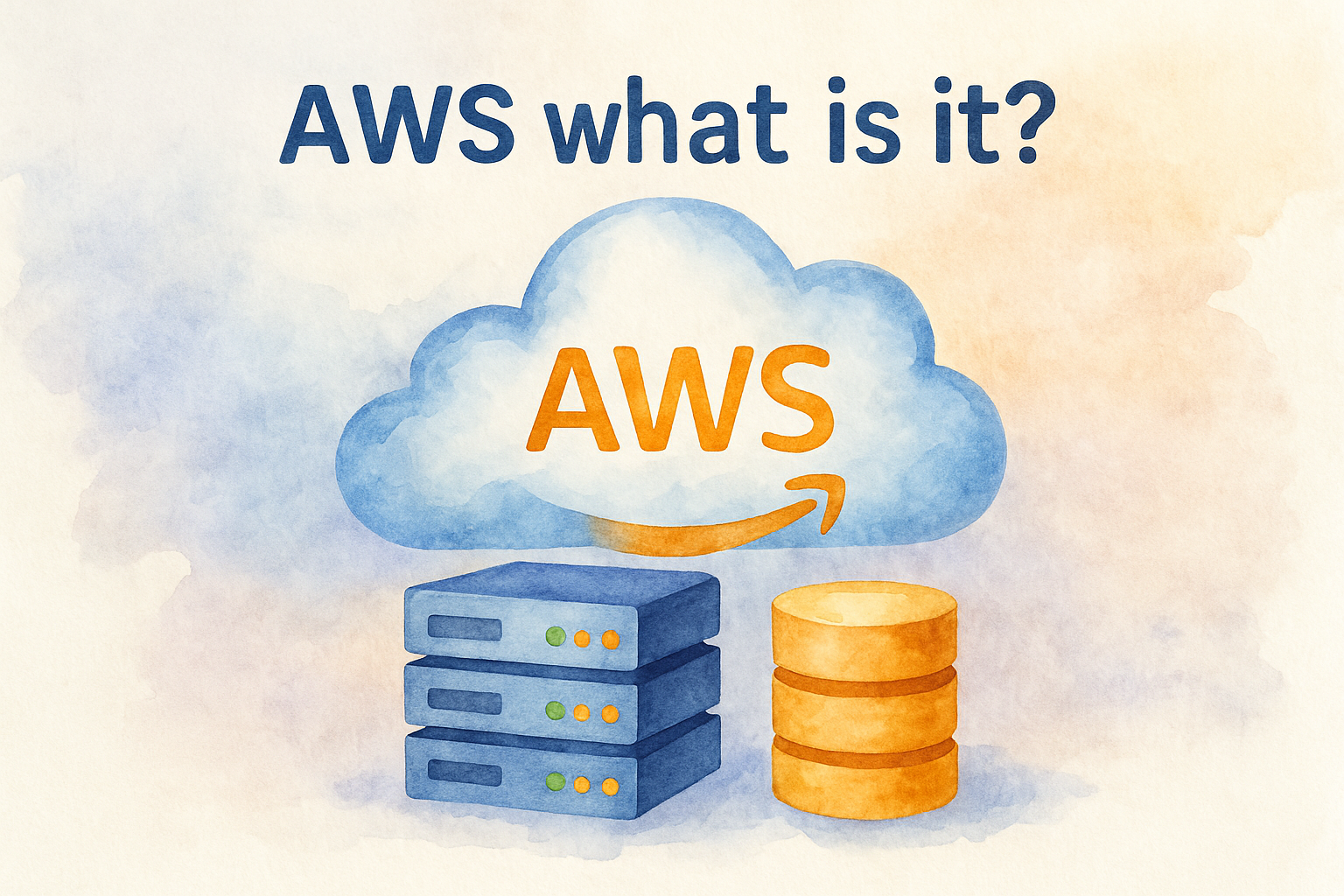
AWS (Amazon Web Services) is a comprehensive cloud computing platform offered by Amazon. Instead of companies having to buy and manage physical servers, AWS provides on-demand IT resources like:
- Compute power (virtual servers, container services, serverless computing)
- Storage solutions (databases, cloud storage, backups)
- Networking tools (VPNs, content delivery, load balancers)
- Security and compliance services (IAM, threat detection, encryption tools)
Think of AWS as a digital utility provider—you pay only for what you use, much like electricity or water.
Why AWS Dominates the Cloud Market
AWS has a strong global presence with data centers in multiple regions, offering businesses high availability and reliability. Key reasons for AWS dominance include:
- Scalability: Start small, scale up or down instantly.
- Cost-effectiveness: No upfront hardware investment; pay-as-you-go model.
- Security: Built-in encryption, compliance frameworks, and robust identity controls.
- Innovation: Constantly evolving services in AI, IoT, and big data.
Core AWS Services Every Business Should Know
AWS offers over 200 services, but here are the essentials:
1. Amazon EC2 (Elastic Compute Cloud)
Virtual servers for running applications.
- Example: Hosting a web application without owning physical hardware.
2. Amazon S3 (Simple Storage Service)
Object-based cloud storage.
- Example: Storing backups, media files, and large datasets securely.
3. AWS Lambda
Serverless computing—run code without managing servers.
- Example: Automating tasks like processing uploaded files.
4. Amazon RDS (Relational Database Service)
Managed databases like MySQL, PostgreSQL, and SQL Server.
- Example: Powering e-commerce websites and enterprise apps.
5. Amazon VPC (Virtual Private Cloud)
Isolated networking environment for better security.
- Example: Creating a secure cloud infrastructure for sensitive workloads.
Benefits of AWS for Businesses
- Flexibility: Choose the operating system, programming language, or database you prefer.
- High Security: Data encryption, DDoS protection, and compliance with GDPR, HIPAA, SOC 2, and more.
- Global Reach: Deploy apps closer to your customers with worldwide AWS data centers.
- Innovation: Access advanced services like AI, machine learning, and blockchain.
- Disaster Recovery: Reliable backup and failover solutions.
AWS in Cybersecurity and IT Management
For cybersecurity leaders and IT managers, AWS offers:
- Identity and Access Management (IAM) for controlling user permissions.
- AWS Shield for DDoS protection.
- CloudTrail for logging user activity and monitoring compliance.
- GuardDuty for threat detection.
This makes AWS not only a platform for hosting services but also a cybersecurity partner.
Real-World Use Cases of AWS
- Netflix: Uses AWS for video streaming to millions worldwide.
- NASA: Stores and shares space exploration data on AWS.
- Airbnb: Scales resources during peak booking seasons.
- Xcitium and cybersecurity firms: Rely on AWS for secure cloud infrastructure and endpoint management.
Best Practices for Using AWS
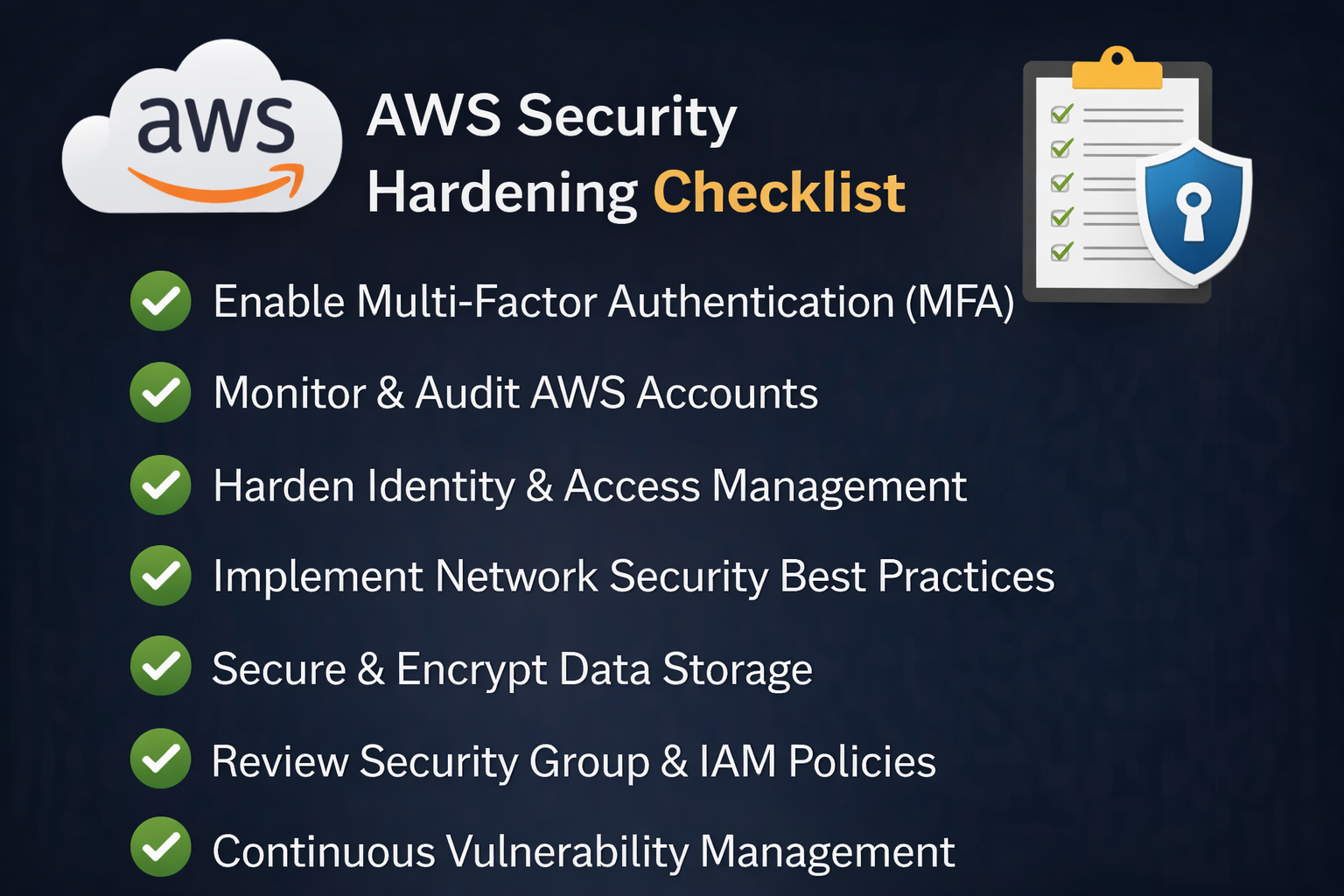
- Implement multi-factor authentication (MFA) for all users.
- Use cost monitoring tools to prevent unexpected bills.
- Regularly audit IAM permissions.
- Encrypt sensitive data with AWS KMS.
- Automate backups and recovery plans.
Frequently Asked Questions (FAQ)
- What does AWS stand for?
AWS stands for Amazon Web Services, a leading cloud computing platform. - Is AWS free to use?
AWS offers a free tier with limited services for beginners, but most features require pay-as-you-go pricing. - How is AWS different from Azure and Google Cloud?
AWS leads in market share and service range, while Azure integrates deeply with Microsoft tools, and Google Cloud excels in AI and big data. - Is AWS secure?
Yes. AWS provides encryption, compliance certifications, DDoS protection, and continuous monitoring. - Who uses AWS?
Everyone from startups to global enterprises—including Netflix, Airbnb, and major banks—use AWS.
Conclusion: AWS Is the Backbone of Modern Business
Understanding “AWS what is it” is crucial for decision-makers across industries. Whether you’re an IT manager scaling applications, a cybersecurity professional securing endpoints, or a CEO seeking cost efficiency, AWS provides the infrastructure to succeed.
🚀 Ready to Secure Your Cloud Environment?
Boost your organization’s security and scalability with Xcitium’s enterprise solutions.