What Does Ransom Mean? Definition, Cybersecurity Impact, and Real-World Examples
Updated on December 1, 2025, by Xcitium
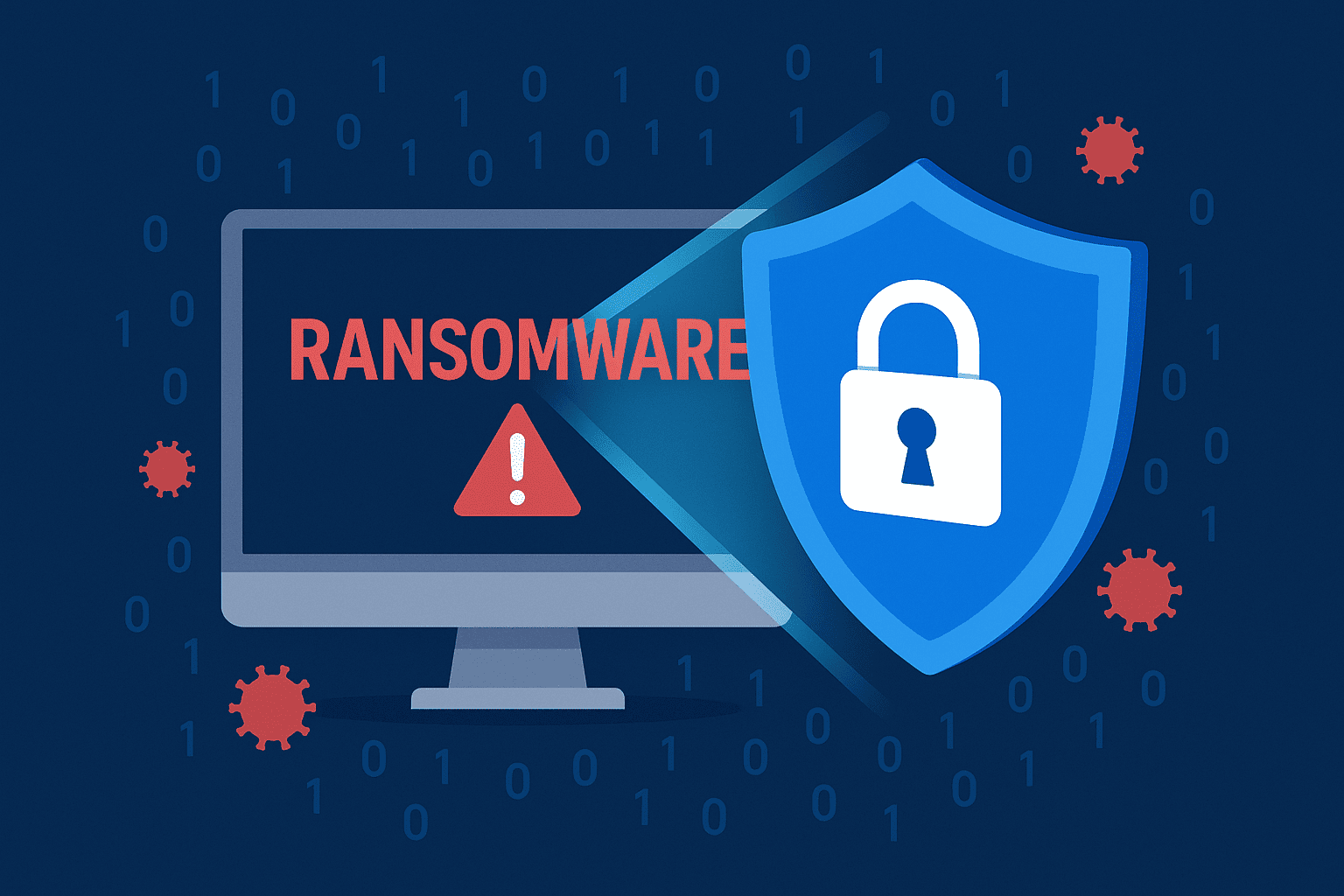
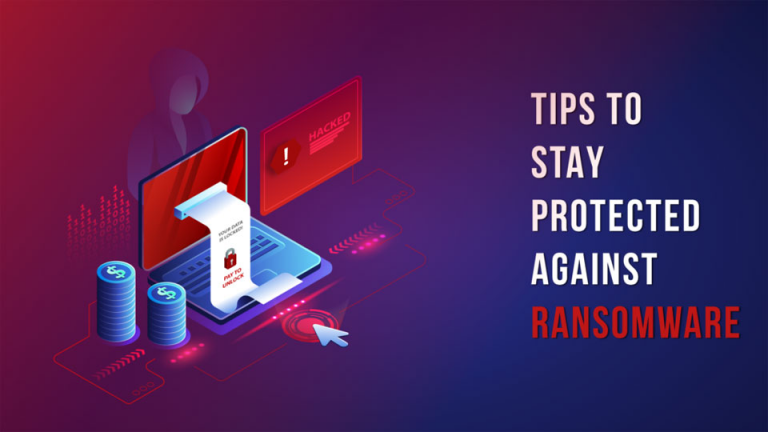
If you’re searching for what does ransom mean, you may already know it typically involves a payment demanded in exchange for something of value. Traditionally, ransom refers to money paid to free a person from captivity. But in today’s digital world, ransom has evolved into a leading cybersecurity threat—one that affects governments, Fortune 500 companies, hospitals, and small businesses alike.
In modern cybersecurity, ransom often appears in the form of ransomware, where criminals encrypt critical data and demand payment to restore access. This has created a multibillion-dollar criminal industry. Understanding what ransom means, how it’s used, why it’s so dangerous, and how to protect your organization is essential for IT managers, security leaders, CEOs, and decision-makers.
This guide breaks down everything you need to know — from the meaning of ransom to how cybercriminals use it and how businesses can stay protected.
What Does Ransom Mean? (Simple Definition)
Ransom refers to money, assets, or value demanded by an attacker in exchange for releasing a person, property, or data.
In cybersecurity, ransom typically involves:
-
Encrypted data
-
Locked systems
-
Stolen files
-
Threats of exposure
-
Extortion demands
Criminals use psychological pressure, operational disruption, and fear to force payment.
In short:
👉 Ransom is the price demanded by attackers to give victims back access to something valuable.
What Does Ransom Mean in Cybersecurity?
In cybersecurity, ransom almost always refers to ransomware attacks, where criminals:
-
Break into a system
-
Encrypt files or steal sensitive data
-
Demand payment (often in cryptocurrency)
-
Promise a decryption key — but often lie
-
Threaten to leak or sell data if unpaid
This is called double extortion, and now even triple extortion attacks exist.
Understanding what ransom means is more important than ever, as these attacks continue to rise across all industries.
How Ransom Attacks Work (Step-by-Step)
To understand what ransom means in a digital context, it helps to understand the attack lifecycle.
1. Initial Access
Attackers break into a network using:
-
Phishing emails
-
Compromised passwords
-
Vulnerable software
-
Remote desktop exploits
-
USB devices
2. Privilege Escalation
Hackers elevate their access to administrator or domain controller levels.
3. Lateral Movement
They spread through the network and identify high-value systems:
-
Servers
-
Backups
-
Databases
-
Email systems
4. Data Exfiltration
Modern attackers steal sensitive data before encryption.
5. Encryption
Systems are locked with military-grade encryption.
6. Ransom Demand
Victims receive threatening messages demanding payment or face:
-
Permanent data loss
-
Public data leaks
-
Regulatory fines
-
Operational shutdown
-
Reputational damage
Hackers may request:
-
Bitcoin
-
Monero
-
Gift cards
-
Wire transfers
This is the digital meaning of ransom in action.
Types of Ransom in Cybersecurity (5 Major Categories)
Understanding what ransom means also involves recognizing different extortion techniques.
1. Encryption Ransom
Attackers encrypt local files and demand payment for decryption.
Common in:
-
Hospitals
-
Schools
-
Local government
-
Manufacturing
2. Data Theft Ransom (Double Extortion)
Data is stolen, then attackers threaten to publish it unless paid.
Targets:
-
Law firms
-
Financial services
-
Enterprise companies
3. DDoS Ransom
Criminals threaten to overload servers unless paid.
Example:
-
Attack on major banks by extortion groups
4. Access Ransom
Attackers gain access to:
-
Email accounts
-
Cloud platforms
-
Social media
-
Admin portals
They demand payment to restore access.
5. Reputation Ransom
Criminals threaten to leak:
-
Customer data
-
Employee information
-
Internal communications
This type is increasing quickly.
Why Ransom Attacks Are So Dangerous
Learning what ransom means is only the first step — understanding why it’s dangerous is critical.
1. Financial Loss
Ransom demands range from $500 to over $10 million.
2. Business Downtime
Organizations experience:
-
System outages
-
Inability to serve customers
-
Lost revenue
3. Data Breaches
Stolen data can lead to:
-
Fines
-
Lawsuits
-
Reputational damage
4. Long-term Recovery Costs
Including:
-
System rebuilds
-
Forensic investigations
-
Security upgrades
5. Extended Extortion
Even after paying the ransom, criminals may return.
Real-World Examples of Ransom Attacks
Understanding what ransom means becomes clearer through real cases.
Colonial Pipeline (2021)
A ransomware group shut down gas pipelines, demanding $4.4 million.
City Governments
Cities such as Atlanta and Baltimore lost millions from encrypted systems.
Healthcare Providers
Hospitals have suffered:
-
Patient delays
-
Emergency rerouting
-
Permanent data loss
Schools & Universities
Education systems are frequently attacked due to weaker defenses.
Warning Signs You’re Facing a Ransom Threat
Recognizing early signs helps prevent escalation:
-
Random files encrypted with new extensions
-
Locked login screens
-
Files replaced with ransom notes
-
Missing or corrupted backups
-
Unusual account activity
-
Sudden CPU spikes
-
Disabled security tools
If these appear, your organization may be experiencing a ransomware event.
What to Do If You Receive a Ransom Demand
Follow these best practices:
1. Do NOT Pay the Ransom
Reasons:
-
Criminals may not provide decryption
-
They may attack again
-
You become marked as a payer
-
Paying funds criminal organizations
2. Isolate Infected Systems
Disconnect:
-
Network cable
-
Wi-Fi
-
External storage
3. Engage Cybersecurity Professionals
Incident response teams can:
-
Contain the attack
-
Recover data
-
Communicate with threat groups if necessary
4. Notify Law Enforcement
In the U.S.:
-
FBI
-
CISA
-
Local cyber task forces
5. Review Backups
Ensure:
-
Backups are off the network
-
Versions are uncompromised
6. Perform Forensic Analysis
Understand how the attack happened.
How to Prevent Ransom Attacks (Best Practices)
Understanding what ransom means is important—but preventing attacks is essential.
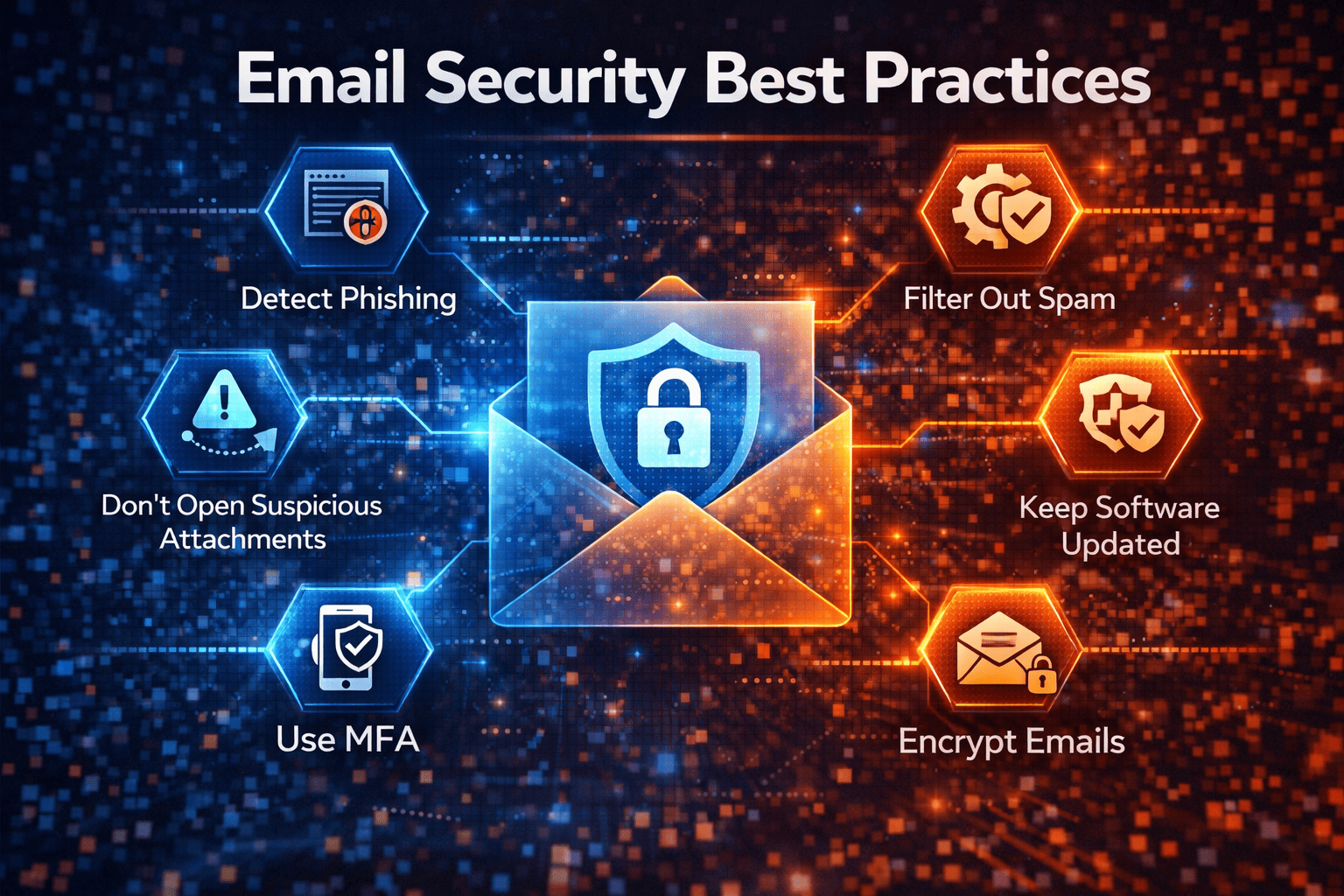
1. Use Endpoint Detection & Response (EDR)
Automatically detects and stops ransomware behavior.
2. Enforce Multi-Factor Authentication
Reduces account compromise risk by 99%.
3. Maintain Offline Backups
The most powerful defense.
4. Patch Vulnerabilities Promptly
Many ransomware attacks exploit old software.
5. Train Employees to Avoid Phishing
Most ransomware starts with one wrong click.
6. Limit Administrative Privileges
Stops lateral movement.
7. Use Zero Trust Security
Never trust — always verify.
How Ransom Relates to Cybersecurity Compliance
Industries like finance, healthcare, and government must:
-
Report breaches
-
Maintain risk frameworks
-
Follow cybersecurity mandates
-
Protect sensitive data
Failure to prevent or report ransomware can result in fines.
FAQs: What Does Ransom Mean?
1. What does ransom really mean?
It means payment demanded by an attacker in exchange for releasing something valuable.
2. What is ransom in cybersecurity?
It refers to ransom demands in ransomware attacks, where data is locked or stolen.
3. Do attackers always decrypt data after ransom payment?
No. Many victims never recover their data even after paying.
4. Is paying ransom illegal?
It depends on the attacker — paying sanctioned groups is illegal in some countries.
5. How can organizations protect themselves from ransom attacks?
Use EDR, MFA, secure backups, patch systems, and train staff.
Final Thoughts
Understanding what ransom means—both traditionally and in the cybersecurity world—is essential for modern organizations. Ransom attacks continue to evolve, using encryption, data theft, extortion, and multi-layer manipulation. Businesses must invest in strong defenses, educate employees, and deploy advanced endpoint security to reduce risk.
The best protection against ransomware is prevention. With the right cybersecurity tools and strategies, organizations can detect threats early, respond quickly, and avoid devastating ransom demands.
🚀 Strengthen Your Cyber Defenses With Xcitium
👉 Request a Demo: https://www.xcitium.com/request-demo/