What Is Cross Site Scripting? A Complete Guide to XSS Attacks and Prevention
Updated on February 3, 2026, by Xcitium
What is cross site scripting, and why does it remain one of the most dangerous web application vulnerabilities today? Despite years of awareness, cross site scripting (XSS) continues to rank among the top web security threats, impacting organizations across industries. One poorly validated input field can expose users, steal credentials, or compromise entire applications.
For cybersecurity professionals, IT managers, and business leaders, understanding what is cross site scripting is critical. This guide explains how XSS works, the different attack types, real-world risks, and proven methods to prevent cross site scripting attacks in modern environments.
What Is Cross Site Scripting?
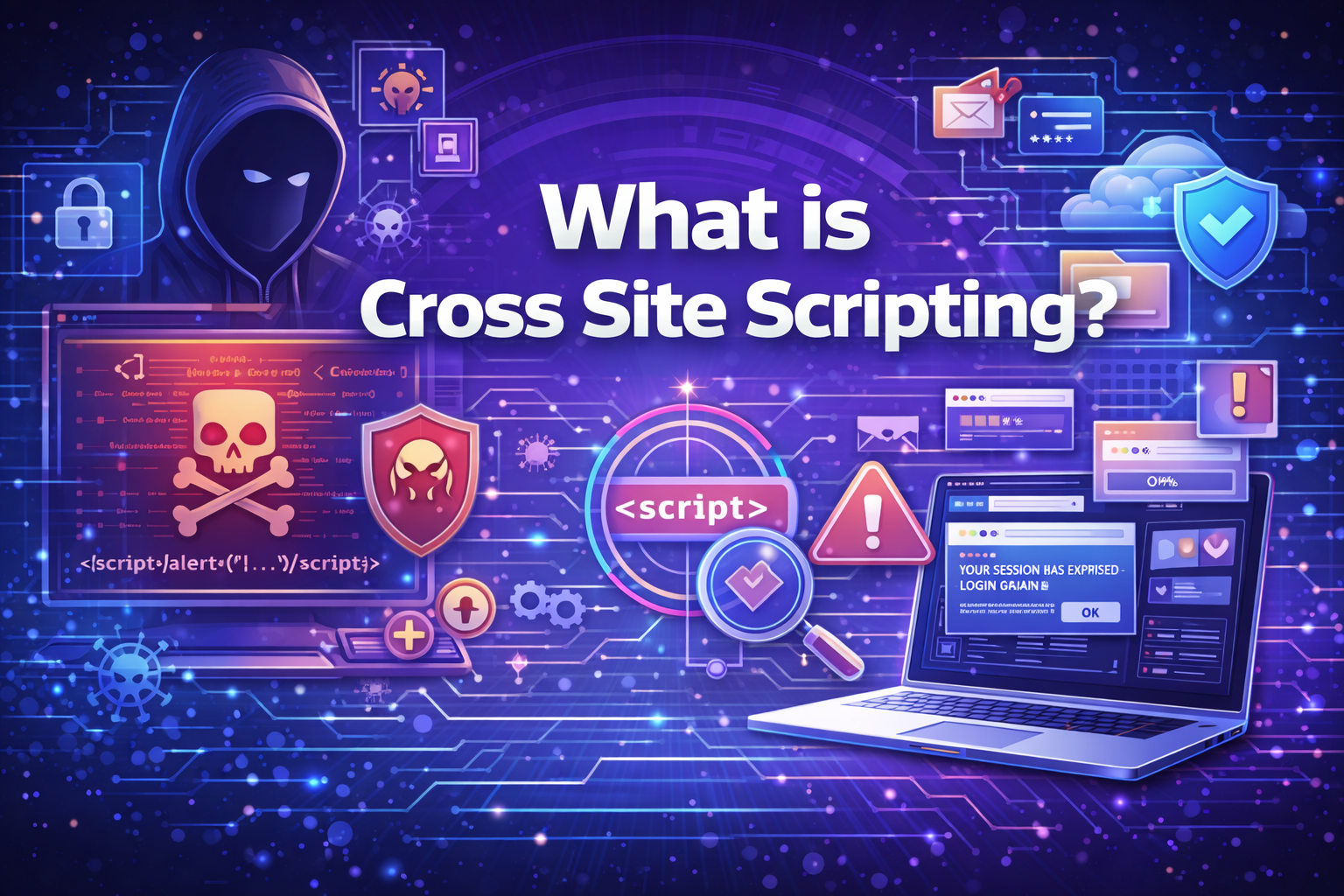
What is cross site scripting? Cross site scripting, commonly known as XSS, is a web security vulnerability that allows attackers to inject malicious scripts into trusted websites. These scripts then execute in a victim’s browser, often without the user’s knowledge.
Unlike server-side attacks, cross site scripting targets users directly. The browser trusts the website, so it also trusts the malicious script embedded within it. This makes XSS particularly dangerous for applications that handle sensitive data.
Understanding what is cross site scripting helps organizations protect both their users and their reputation.
Why Cross Site Scripting Is a Serious Security Threat
Cross site scripting is not just a technical issue—it’s a business risk. XSS attacks exploit trust, which makes them highly effective.
Key reasons XSS is dangerous include:
-
Execution occurs in the user’s browser
-
Attacks bypass many network defenses
-
Users often cannot detect the attack
-
Stolen data may include session cookies and credentials
-
Attacks scale quickly across users
From an enterprise perspective, XSS can lead to data breaches, regulatory penalties, and brand damage.
How Cross Site Scripting Attacks Work
To fully understand what is cross site scripting, it helps to look at how an attack unfolds.
The Basic XSS Attack Flow
-
An application accepts user input
-
Input is not properly validated or sanitized
-
Malicious JavaScript is stored or reflected
-
A victim loads the affected page
-
The script executes in the victim’s browser
At no point does the browser realize something is wrong, because it trusts the site delivering the script.
Types of Cross Site Scripting Attacks
Not all XSS attacks work the same way. There are three primary types, each with unique risks.
Stored Cross Site Scripting
Stored XSS occurs when malicious code is permanently saved on a server, such as in a database or comment field.
Common targets include:
-
Forums
-
Comment sections
-
User profiles
Stored XSS is extremely dangerous because it affects every user who accesses the compromised content.
Reflected Cross Site Scripting
Reflected XSS occurs when malicious input is immediately returned in the server’s response.
Typical delivery methods include:
-
Malicious links
-
Phishing emails
-
Crafted URLs
This form of cross site scripting relies heavily on social engineering.
DOM-Based Cross Site Scripting
DOM-based XSS happens entirely in the browser. The vulnerability exists in client-side JavaScript rather than server-side code.
Because no server interaction occurs, traditional security tools may miss these attacks.
Real-World Risks of Cross Site Scripting
Understanding what is cross site scripting also means understanding its real-world impact.
Data Theft
Attackers can steal:
-
Session cookies
-
Authentication tokens
-
Personal data
This often leads to account takeover.
Unauthorized Actions
Malicious scripts can perform actions on behalf of users, such as changing settings or initiating transactions.
Malware Delivery
XSS attacks can redirect users to malicious websites or inject malware-laden scripts.
Loss of Trust and Compliance Failures
Organizations affected by XSS may face compliance violations, legal consequences, and customer distrust.
Common Causes of XSS Vulnerabilities
Cross site scripting vulnerabilities typically result from poor development practices.
Frequent Causes Include:
-
Lack of input validation
-
Improper output encoding
-
Trusting user-supplied data
-
Insecure JavaScript frameworks
-
Missing security headers
Preventing XSS starts with secure coding standards.
How to Prevent Cross Site Scripting Attacks
Knowing what is cross site scripting is only useful if organizations know how to prevent it.
Input Validation and Sanitization
Never trust user input. Validate input type, length, and format before processing it.
Output Encoding
Encode output based on context:
-
HTML encoding
-
JavaScript encoding
-
URL encoding
This prevents scripts from executing in the browser.
Content Security Policy (CSP)
CSP restricts which scripts can run on a webpage. Even if XSS exists, CSP can block execution.
Secure Development Frameworks
Modern frameworks often include built-in XSS protection when used correctly.
Regular Security Testing
Perform:
-
Code reviews
-
Static analysis
-
Dynamic testing
Regular testing identifies vulnerabilities before attackers do.
The Role of WAFs in Cross Site Scripting Protection
Web Application Firewalls (WAFs) play a key role in defending against XSS attacks.
How WAFs Help
-
Detect malicious payloads
-
Block suspicious requests
-
Monitor attack patterns
While WAFs are not a replacement for secure coding, they add a critical defense layer.
Cross Site Scripting and Business Risk
For executives and decision-makers, cross site scripting is more than a technical flaw.
Business Impacts Include:
-
Customer data exposure
-
Brand reputation damage
-
Regulatory penalties
-
Increased incident response costs
Understanding what is cross site scripting helps leaders prioritize application security investments.
Actionable Tips for IT and Security Teams
To reduce XSS risk, teams should:
-
Enforce secure coding standards
-
Use automated security testing tools
-
Deploy WAF protection
-
Monitor client-side behavior
-
Train developers on XSS prevention
Security is most effective when it’s proactive.
Frequently Asked Questions (FAQ)
1. What is cross site scripting in simple terms?
Cross site scripting is a vulnerability that allows attackers to inject malicious scripts into trusted websites.
2. Is cross site scripting still a major threat?
Yes. XSS remains one of the most common and dangerous web vulnerabilities.
3. Can XSS steal passwords?
XSS can steal session tokens and credentials, often leading to account compromise.
4. How do I know if my site has XSS vulnerabilities?
Security testing, code reviews, and penetration testing can identify XSS issues.
5. Is a WAF enough to stop cross site scripting?
A WAF helps, but secure coding and proper validation are essential.
Final Thoughts: Why XSS Awareness Matters
Understanding what is cross site scripting is essential for anyone responsible for web applications. XSS attacks exploit trust, target users directly, and can cause lasting damage to organizations that ignore them.
By combining secure development practices, continuous testing, and layered security controls, organizations can significantly reduce XSS risk and protect both users and business operations.
If you want deeper visibility into web threats, automated detection, and stronger protection against vulnerabilities like cross site scripting:
👉 Strengthen your application security today
Request a demo: https://www.xcitium.com/request-demo/