What Does Malicious Mean? Understanding Threats in a Cyber World
Updated on August 12, 2025, by Xcitium
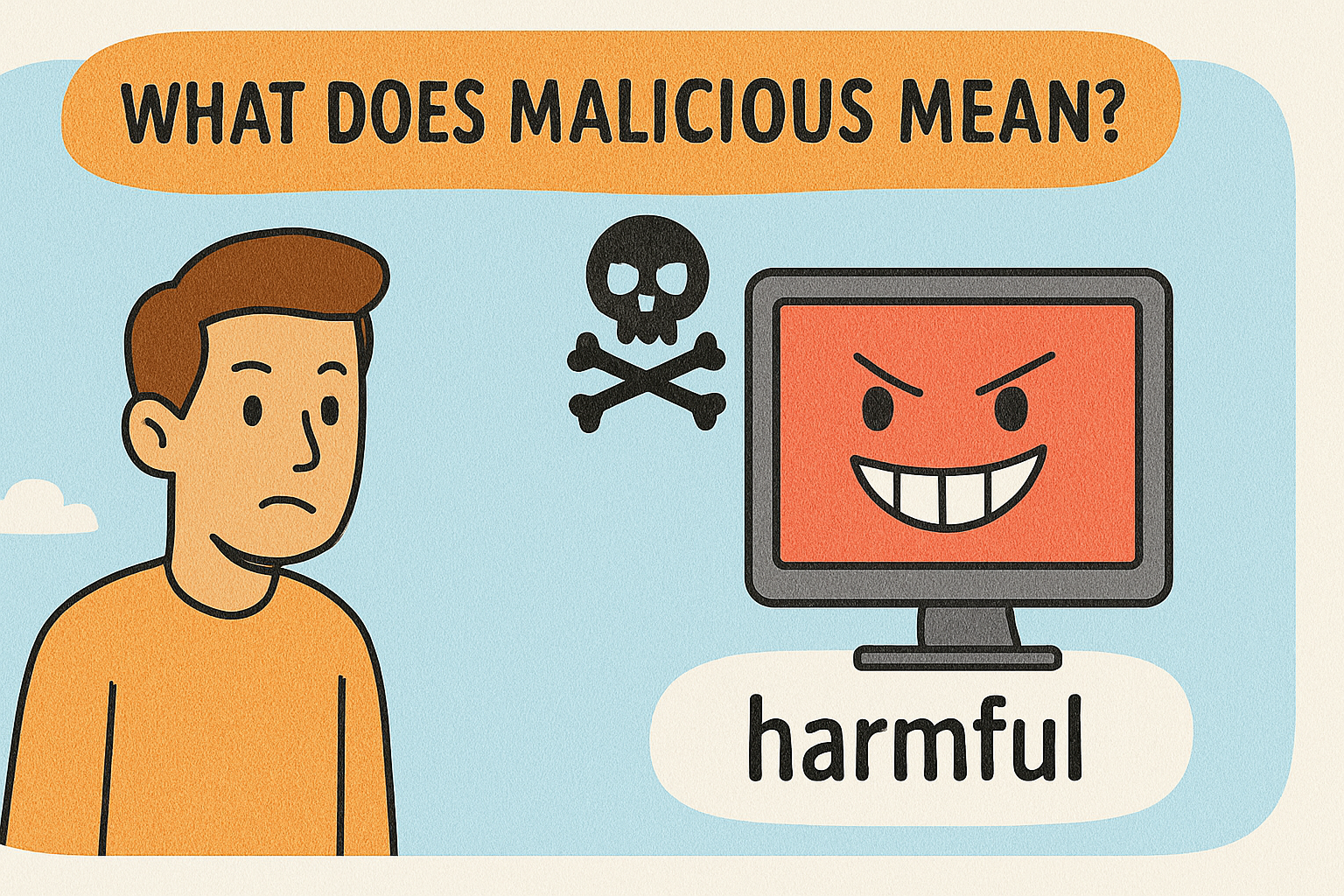
Have you ever stopped to think, “What does malicious mean?” In today’s digital landscape, “malicious” isn’t just a buzzword—it defines intent behind cyber threats that can cripple businesses. For IT managers, cybersecurity leaders, and executives, understanding the nuances of malicious activity is vital to building resilient defenses and making informed security decisions.
What Does Malicious Mean?
At its core, “malicious” describes any behavior or code intended to cause harm, disrupt functionality, or steal data. This includes actions driven by intent to deceive, corrupt systems, or inflict damage. In cybersecurity, malicious frequently refers to tools or techniques used by threat actors.
Types of Malicious Threats
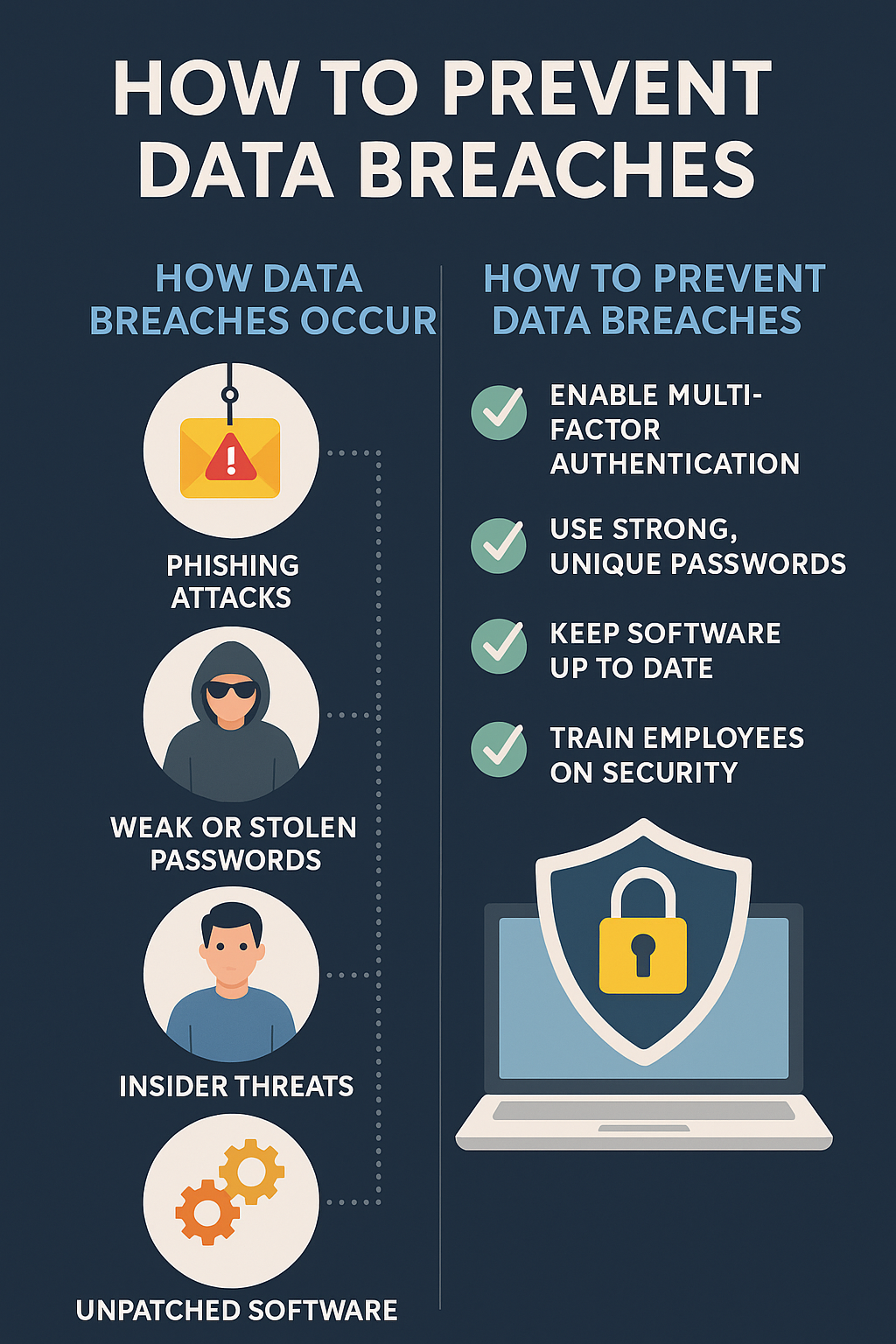
- Malicious Software (Malware): Includes viruses, trojans, worms, ransomware, and spyware.
- Phishing & Social Engineering: Techniques that deceive users into revealing confidential data.
- Insider Threats: Disgruntled or compromised employees with malicious intent.
- Denial-of-Service Attacks: Flooding systems to disrupt service.
- Supply Chain Attacks: Injecting malicious code via trusted partners or vendors.
Why Recognizing Malicious Behavior Matters
- Safeguard sensitive data against theft and breach.
- Maintain operational continuity amid persistent threats.
- Avoid reputational and regulatory damage.
- Stay proactive—early detection of malicious behavior limits impact.
How to Detect Malicious Activity
- Use endpoint protection with real-time behavior monitoring.
- Deploy SIEM systems to aggregate logs and detect anomalies.
- Conduct regular audits and behavioral analysis of user activity.
- Train employees to spot phishing and anomalous behavior.
Examples of Malicious Activity and Defense
| Scenario | Malicious Behavior | Defensive Measures |
| Email with phishing link | User clicks revealing login info | Regular phishing simulations and awareness training |
| Ransomware locking files | Malicious files encrypted | Offline backups, endpoint detection, incident plans |
| Insider exfiltrates sensitive data | Unauthorized file transfers | User access policies and privileged account controls |
| DDoS attack on public-facing services | Overwhelming traffic | Network throttling, CDNs, DDoS mitigation services |
Best Practices to Mitigate Malicious Risks
- Keep software and systems patched and updated.
- Implement the principle of least privilege.
- Monitor anomalous behavior in real time.
- Strengthen incident response with tabletop exercises and drills.
Malicious Beyond Cybersecurity
In corporate contexts, “malicious” can also describe strategic intent fraught with bad-faith actions—for example, malicious misuse of corporate data or sabotage. Cyber and business leaders must develop frameworks to detect and neutralize such internal threats.
Final Thoughts
Understanding what does malicious mean is more than a definition—it’s a guiding principle in securing modern enterprises. Recognizing the varied forms of malicious behavior empowers leaders, drives security investments, and protects business reputation and infrastructure.
Call to Action
Ready to fortify against malicious threats with intelligent visibility and threat defense?
👉 Request a Free Demo from Xcitium – see how our platform detects malicious behavior early and accelerates response to threats.
FAQ
Q1: What does malicious behavior mean in cybersecurity?
It refers to actions or code explicitly designed to harm, disrupt, or compromise systems and data.
Q2: Is malware always malicious?
Yes—by definition, malware is software specifically built to perform malicious acts.
Q3: How is malicious intent different from negligence?
Malicious intent involves deliberate action to harm, whereas negligence is unintentional and often due to poor practices.
Q4: Can insiders be malicious without malware?
Absolutely—employees may abuse legitimate access to steal data or disrupt operations without deploying malware.
Q5: How can executives reduce malicious risk?
By investing in threat detection, enforcing least-privilege policies, and maintaining strong incident response frameworks.