What Peripheral Devices Are and Why They Matter: Complete 2026 Guide for IT & Cybersecurity Teams
Updated on December 1, 2025, by Xcitium
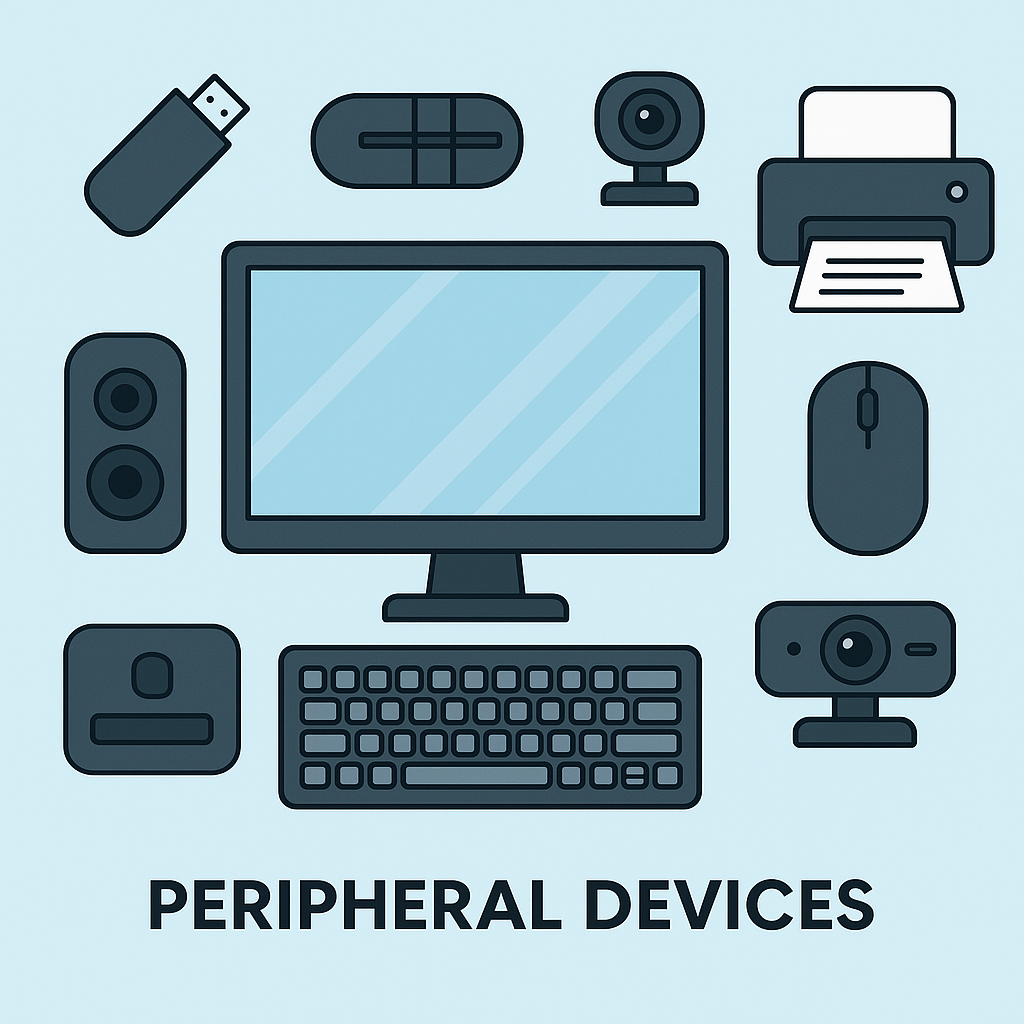
If you’re searching for what peripheral devices, you’re likely trying to understand the components that connect externally to a computer to expand its functionality. Peripheral devices play a critical role in modern computing—supporting productivity, communication, cybersecurity operations, and enterprise workflows. From keyboards and printers to biometric readers and external storage, peripherals enable users and IT teams to interact with systems efficiently and securely.
As organizations scale and remote work increases, understanding what peripheral devices are and how they affect security, performance, and user experience becomes essential for IT managers, cybersecurity specialists, CEOs, and leaders responsible for technology decisions. This guide breaks down everything: definitions, examples, classifications, risks, benefits, and real-world use cases.
Let’s get started.
What Are Peripheral Devices? (Simple Definition)
Peripheral devices are external hardware components that connect to a computer to add functionality. They are not part of the computer’s core architecture (CPU, motherboard, RAM), but they enhance how users input data, view information, store files, or communicate with other systems.
In simple terms:
Peripheral devices are add-on hardware used to expand what a computer can do.
These devices typically connect via:
-
USB
-
HDMI
-
Bluetooth
-
Wi-Fi
-
Thunderbolt
-
Ethernet
Modern businesses rely heavily on peripherals for collaboration, productivity, and secure operations.
Types of Peripheral Devices (Complete Classification)
Peripheral devices fall into three primary categories:
✔ Input devices – send data to the computer
✔ Output devices – receive data from the computer
✔ Storage devices – store or transfer data
Some devices are both input and output, known as hybrid peripherals.
Let’s explore each category.
1. Input Peripherals (Devices That Send Data Into the Computer)
Input peripherals allow users to interact with computers by sending signals, data, or actions.
Common Input Devices
-
Keyboard
-
Mouse
-
Scanner
-
Microphone
-
Webcam
-
Graphics tablet
-
Barcode reader
-
Touchscreen
Enterprise and IT-Focused Input Devices
-
Biometric authentication devices (fingerprint, retina scanners)
-
Smart card readers
-
USB hardware keys (U2F security keys)
-
KVM switch inputs
Cybersecurity Risks of Input Devices
Input peripherals can introduce vulnerabilities, such as:
-
Keyboard loggers
-
Malicious USB devices
-
Spoofed biometric inputs
Cybersecurity teams monitor and restrict unauthorized device connections to reduce exposure.
2. Output Peripherals (Devices That Display or Produce Information)
Output peripherals allow the computer to communicate results to the user.
Common Output Devices
-
Monitor
-
Printer
-
Speakers
-
Projector
-
Headphones
-
Plotters
Advanced Output Devices Used in Industry
-
Industrial display panels
-
Holographic projectors
-
Public information screens
Security Considerations
Output devices may leak sensitive information:
-
Shoulder-surfing risks
-
Printed document exposure
-
Wireless display interception
IT teams often enforce secure printing and display policies.
3. Storage Peripherals (Devices for Saving or Transferring Data)
Storage devices allow users to store or transfer files externally.
Common Storage Devices
-
USB flash drives
-
External HDD/SSD
-
Memory cards
-
NAS storage (network attached storage)
Enterprise-Level Storage Peripherals
-
Backup drives
-
Encrypted external drives
-
RAID arrays
-
Network storage appliances
Cybersecurity Risks
Storage devices are among the highest-risk peripherals due to:
-
Data exfiltration
-
Malware injection
-
Ransomware propagation
-
Unauthorized backups
Most organizations use device control policies to regulate external storage.
Input + Output Hybrid Devices
These peripherals perform both input and output roles.
Examples
-
Headsets (mic + audio output)
-
Touchscreens
-
VR headsets
-
Multi-function printers (scan + print)
Hybrid devices are becoming more common with modern collaboration tools.
Why Peripheral Devices Matter for IT & Cybersecurity
Peripheral devices are no longer simple accessories—they have major implications in business operations and IT security.
1. Productivity & Workflow Optimization
Peripherals like monitors, mice, and webcams enable employees to work efficiently, especially in hybrid and remote setups.
2. Enhanced Security & Authentication
Modern peripherals contribute to cybersecurity, such as:
-
Biometric scanners
-
Hardware authentication keys
-
Secure card readers
These help enforce Zero Trust principles.
3. Attack Surface Expansion
Every peripheral introduces a new potential attack vector.
Examples:
-
USB rubber duckies
-
Bluetooth exploit devices
-
Malicious firmware
-
Unauthorized storage devices
Organizations must implement strong device control and endpoint security policies.
4. Compliance & Data Protection
Industries such as healthcare, finance, and government must regulate how data is:
-
Printed
-
Stored
-
Shared
-
Transferred
Peripheral misuse may result in compliance violations or data leaks.
5. Hardware Lifecycle Management
IT teams manage upgrades, replacements, compatibility, and standardization across all peripherals in an organization.
Real-World Examples of Peripheral Device Usage by Industry
Peripheral usage varies significantly by industry.
Healthcare
-
Barcode scanners
-
Patient wristband readers
-
Medical imaging displays
-
Biometric authentication
Finance
-
Secure smart card readers
-
Multi-monitor setups
-
Secure printers
Manufacturing
-
Industrial sensors
-
Barcode/RFID scanners
-
Rugged tablets
Government
-
Encrypted USB drives
-
High-security authentication devices
Education
-
Projectors
-
Interactive whiteboards
-
Document cameras
How Businesses Manage Peripheral Devices Securely
Modern IT departments use multiple strategies to secure and manage peripherals.
1. Device Control Policies
Restrict which peripherals employees can connect.
Examples:
-
Block external USB drives
-
Allow only approved keyboards/mice
-
Restrict printers by department
2. Endpoint Detection & Response (EDR)
EDR tools identify and block malicious device behavior such as:
-
USB-based malware
-
Unauthorized data transfer
-
Rogue Bluetooth devices
3. Zero Trust Access
Peripherals must authenticate or belong to a trusted device list.
4. Asset Inventory Management
Maintain an updated list of all peripherals connected across the organization.
5. Regular Software/Firmware Updates
Printers, biometric readers, and scanners often require updates to fix vulnerabilities.
Common Peripheral Device Security Threats
Peripheral devices pose real risks. Here are the most common:
1. USB-Based Attacks
Threat actors use:
-
Rubber Ducky devices
-
Evil USB
-
Keyloggers
-
Flash drives loaded with malware
2. Printer Vulnerabilities
Printers can leak data or act as attack backdoors.
3. Wireless Device Exploits
Bluetooth keyboards, mice, and headsets can be hijacked.
4. Audio & Video Device Hijacking
Hackers can exploit:
-
Webcams
-
Microphones
-
Conferencing equipment
5. Firmware Attacks
Peripheral firmware often lacks strong security.
How to Choose the Right Peripheral Devices for Your Organization
Evaluate using these criteria:
1. Security Features
Look for:
-
Encryption
-
Authentication
-
Secure firmware
-
Remote management
2. Compatibility
Ensure peripherals work with:
-
Your OS
-
Security tools
-
Device control policies
3. Durability & Lifecycle
Choose enterprise-grade hardware for longevity.
4. User Experience
Reliable input/output devices increase productivity.
5. Vendor Reputation
Select vendors with:
-
Transparent security updates
-
Good support
-
Enterprise certifications
Future Trends in Peripheral Devices
The landscape of peripheral devices is evolving rapidly.
1. Biometric Authentication Growth
From face recognition to palm scanners.
2. Wireless-First Ecosystems
Bluetooth 5.3, Wi-Fi 7 peripherals.
3. AI-Powered Devices
Smart cameras, intelligent displays, adaptive peripherals.
4. Edge Security Integration
External devices with onboard encryption and malware detection.
5. Sustainable Device Manufacturing
Recyclable materials and energy-efficient designs.
FAQs: What Peripheral Devices
1. What are the primary types of peripheral devices?
Input, output, storage, and hybrid devices.
2. Are peripheral devices essential for a computer system?
Yes. They allow interaction, output, communication, and customization.
3. What is the difference between input and output peripherals?
Input devices send data into the computer; output devices display or produce data from the computer.
4. How do peripheral devices impact cybersecurity?
They expand the attack surface, introducing risks like USB malware, hardware keyloggers, and wireless hijacking.
5. Can peripherals be managed centrally in a business?
Yes. Device control, EDR tools, and Zero Trust policies help manage and monitor them.
Final Thoughts
Understanding what peripheral devices are is crucial for modern IT operations, cybersecurity defense, and business productivity. Peripherals enhance computer capabilities, but they also introduce new security considerations. IT managers and business leaders must balance usability and protection by choosing secure peripherals, enforcing device control policies, and monitoring endpoint activity.
Peripheral devices may seem simple, but in the enterprise world, they play a major role in security, compliance, and workflow efficiency.
🚀 Protect Your Organization With Xcitium
👉 Request a Demo: https://www.xcitium.com/request-demo/