What is NLP? A Complete Guide to Natural Language Processing
Updated on August 13, 2025, by Xcitium
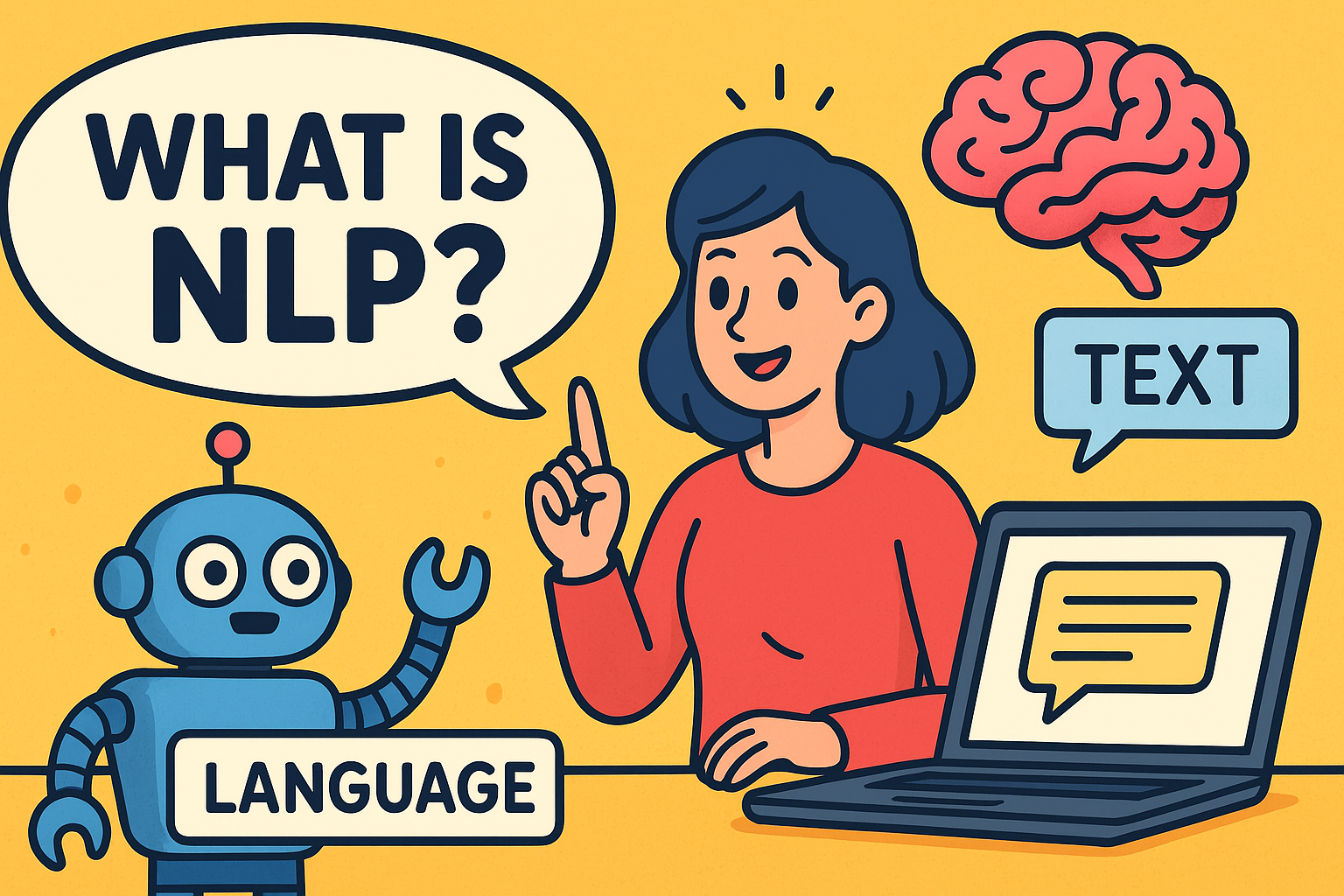
Have you ever wondered how Google search knows what you mean, or how Siri can understand your voice commands?
What is NLP? The secret behind these capabilities is Natural Language Processing (NLP) — a branch of artificial intelligence that helps machines understand, interpret, and respond to human language.
In today’s cybersecurity, IT, and business environments, NLP plays a crucial role — from spam detection to threat intelligence and automated reporting. This guide will walk you through the meaning of NLP, how it works, and why it’s essential for modern industries.
What is NLP?
Natural Language Processing (NLP) is a field of AI that combines linguistics, computer science, and machine learning to enable computers to understand, interpret, and generate human language.
Key functions include:
- Text Analysis – Extracting meaning from large volumes of text.
- Speech Recognition – Converting spoken words into text.
- Language Generation – Producing human-like responses in chatbots and assistants.
In short, NLP bridges the gap between human communication and machine understanding.
How NLP Works: The Core Process
The NLP process involves several stages:
1. Text Preprocessing
Cleaning and preparing raw data by:
- Removing stop words
- Tokenization (splitting sentences into words)
- Lemmatization (reducing words to their root form)
2. Parsing and Syntax Analysis
Breaking down sentences into grammatical structures.
3. Semantic Analysis
Understanding the meaning of words based on context.
4. Machine Learning Models
Using algorithms to classify, predict, and generate language-based responses.
NLP in Cybersecurity and IT
NLP isn’t just about chatbots — it’s transforming cybersecurity:
- Phishing Detection – Analyzing suspicious emails for malicious intent.
- Threat Intelligence – Extracting indicators of compromise from reports.
- Log Analysis – Understanding system logs for anomaly detection.
- User Behavior Monitoring – Detecting unusual communication patterns.
Popular Applications of NLP
Here’s where you see NLP in action daily:
- Voice Assistants (Alexa, Google Assistant, Siri)
- Email Spam Filters
- Sentiment Analysis Tools
- Language Translation Services (Google Translate)
- Customer Support Chatbots
Benefits of NLP for Businesses
- Automation – Reduces manual work in processing documents.
- Better Insights – Improves decision-making with data analysis.
- Enhanced Security – Identifies and responds to threats faster.
- Improved Customer Experience – Enables personalized interactions.
Challenges in NLP
While NLP is powerful, it faces challenges:
- Language Ambiguity – Words can have multiple meanings.
- Slang and Regional Dialects – Hard for AI to interpret correctly.
- Data Privacy Concerns – Sensitive information in language data.
FAQs
- What does NLP stand for?
NLP stands for Natural Language Processing. - Is NLP part of artificial intelligence?
Yes, NLP is a subfield of AI focused on language. - How is NLP used in cybersecurity?
It’s used for phishing detection, threat analysis, and automated security reports. - What’s the difference between NLP and NLU?
NLU (Natural Language Understanding) is a subset of NLP focused on understanding meaning. - Can NLP work with multiple languages?
Yes, modern NLP models can handle dozens of languages with high accuracy.
Final Thoughts
Understanding what NLP is is key to appreciating how AI shapes modern life. Whether you’re in IT, cybersecurity, or business leadership, NLP can help automate tasks, improve decision-making, and strengthen security.
Ready to see AI-driven security in action?
👉 Request a free demo with Xcitium and discover how NLP-powered tools can protect your organization.