What Is Demographic Information? A Complete Guide for Modern Organizations
Updated on December 11, 2025, by Xcitium
Have you ever filled out a form asking for your age, gender, or income level and wondered why companies need this data—or how they protect it? With data-driven decision-making on the rise, understanding what demographic information is has become essential for business leaders, cybersecurity teams, marketers, and IT managers.
Demographic information plays a major role in analytics, security models, personalization, identity verification, and compliance. However, collecting it also introduces risks, making proper handling crucial in today’s privacy-focused world.
In this guide, you’ll learn what demographic information is, why organizations use it, the cybersecurity risks associated with storing it, and how to protect this sensitive data.
What Is Demographic Information? (Simple Definition)
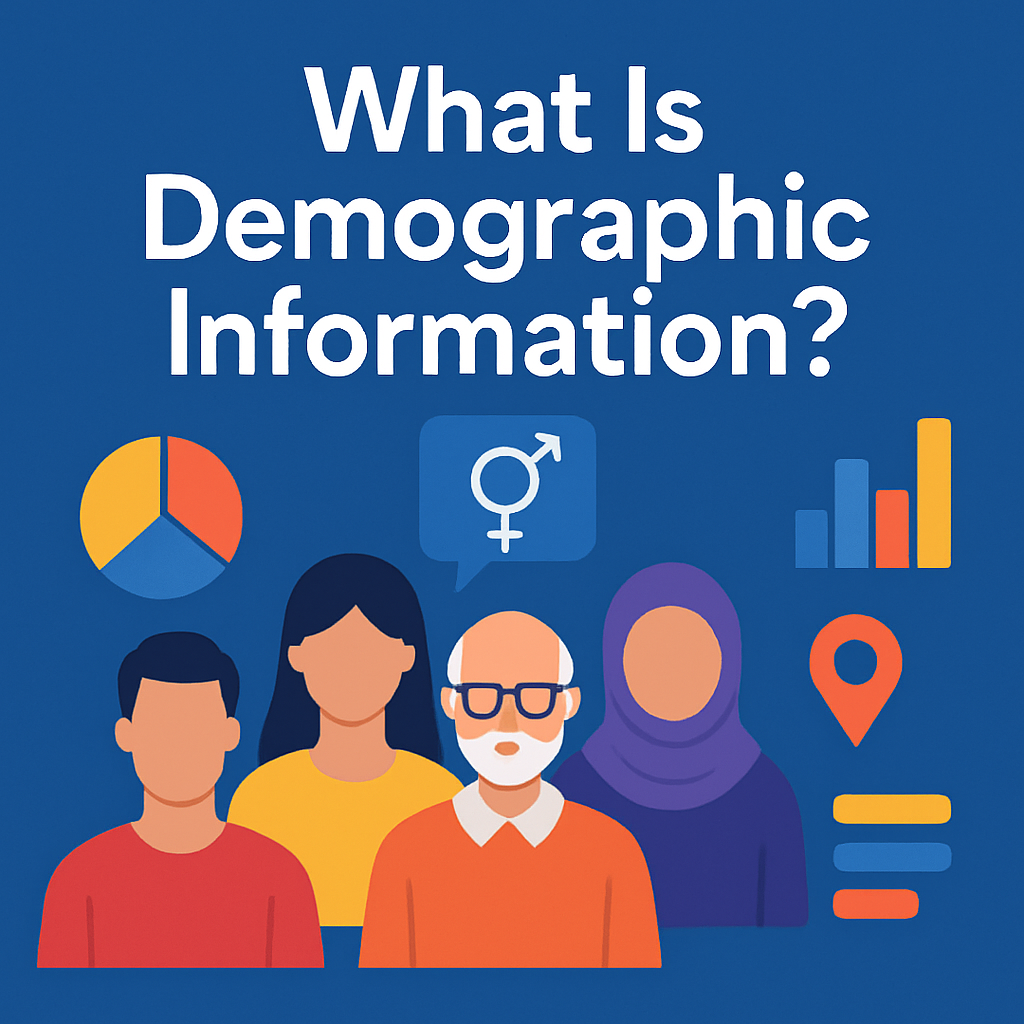
Demographic information refers to statistical data about groups of people, based on characteristics such as age, gender, ethnicity, income, location, education level, and more. Organizations use this information to understand trends, behaviors, and patterns within specific populations.
It helps businesses answer questions like:
-
Who are our customers?
-
What does our workforce look like?
-
Which groups are underserved?
-
How should we allocate resources?
While basic demographic data may seem harmless, in cybersecurity, it’s considered personally identifiable information (PII)—data that requires protection.
Examples of Demographic Information
Demographic data includes a wide range of characteristics. Understanding these categories helps clarify what demographic information is and how it’s typically used.
1. Basic Personal Characteristics
-
Age
-
Gender or sex
-
Marital status
-
Household size
2. Socioeconomic Indicators
-
Income level
-
Occupation
-
Employment status
-
Education level
3. Geographic Information
-
Country
-
City or region
-
Zip code
-
Urban vs rural location
4. Cultural or Identity-Based Attributes
(Handled carefully due to sensitivity)
-
Ethnicity
-
Language
-
Religion
-
Nationality
5. Health and Disability Status
(Highly sensitive and regulated)
-
Disabilities
-
Health conditions
6. Consumer-related Attributes
-
Buying habits
-
Subscription tiers
-
Service usage history
These categories help organizations build meaningful insights while maintaining compliance and security.
Why Organizations Collect Demographic Information
Many industries rely on demographic data—even if they operate outside marketing.
1. Better Decision-Making
Companies use demographic insights to:
-
Identify market opportunities
-
Optimize product development
-
Personalize customer experiences
2. Compliance & Reporting
Some industries must collect demographic data due to:
-
EEOC regulations
-
Federal reporting requirements
-
Diversity monitoring initiatives
3. Cybersecurity & Identity Verification
Demographic traits contribute to:
-
Fraud detection
-
Risk scoring models
-
Account verification steps
-
Insider threat assessments
4. Improving Customer Experience
Demographic segmentation helps tailor:
-
Messaging
-
Service offerings
-
Support channels
5. Workforce Planning
Internal HR teams use demographic breakdowns to:
-
Improve hiring strategies
-
Monitor workplace diversity
-
Identify demographic gaps
Demographic vs. Psychographic vs. Behavioral Data
Many people confuse these terms. Here’s the difference:
| Data Type | Focus | Examples |
|---|---|---|
| Demographic | Who people are | Age, gender, income |
| Psychographic | Why people behave a certain way | Values, lifestyle, motivations |
| Behavioral | What people do | Online activity, purchases |
Demographic data is foundational—it helps contextualize behavioral and psychographic insights.
How Organizations Collect Demographic Information
Understanding what demographic information is also means knowing how it’s gathered.
1. Customer Forms & Profiles
Signup pages, checkout flows, onboarding steps.
2. Surveys & Feedback Tools
Market research, customer satisfaction surveys.
3. Government or Public Data Sources
Census reports, labor statistics.
4. Third-Party Data Providers
Data enrichment services supplement demographic profiles.
5. Analytics Platforms
Tools estimate demographic attributes based on:
-
Browsing behavior
-
Geographic location
-
Platform usage
How Demographic Information Is Used in Cybersecurity
Though commonly associated with marketing, demographic information supports several critical cybersecurity functions.
1. Identity Verification
Demographic traits help confirm whether a user’s identity is legitimate.
2. Fraud Prevention
Systems analyze demographic patterns to:
-
Detect anomalies
-
Reduce account takeover
-
Prevent synthetic identity fraud
3. Incident Response
Certain demographic details are required to:
-
Identify affected individuals
-
Notify regulatory bodies
-
Support forensic investigations
4. Zero Trust Policies
Demographics may inform access controls tied to:
-
Location
-
Role
-
Organizational unit
Cybersecurity Risks Associated With Demographic Information
Demographic data may seem “low risk,” but in reality, it’s a high-value target for attackers.
1. Identity Theft
Attackers combine demographic data with:
-
Social security numbers
-
Emails
-
Phone numbers
To execute large-scale fraud.
2. Social Engineering Abuse
Attackers tailor phishing, smishing, or vishing messages using demographic insights.
3. Data Breach Exposure
Regulations may classify demographic data as:
-
Sensitive personal data
-
Protected PII
-
Regulated information
4. Profiling and Discrimination Risks
Misuse of demographic data can lead to:
-
Bias in AI systems
-
Unfair hiring practices
-
Service discrimination
5. Compliance Violations
Improper handling leads to violations of:
-
GDPR
-
CCPA
-
HIPAA (when tied to health data)
-
FERPA (education data)
These risks highlight why organizations must protect demographic data just like financial or health information.
How to Protect Demographic Information (Best Practices)
To safely manage demographic data, organizations must implement strong cybersecurity controls.
1. Minimize Data Collection
Collect only data your organization truly needs.
2. Use Encryption for Data Storage & Transit
AES-256, TLS 1.3, and secure key management are essential.
3. Enable Role-Based Access Control
Limit who can access demographic datasets.
4. Apply Data Masking & Tokenization
Prevents unauthorized exposure of sensitive attributes.
5. Conduct Regular Security Audits
Identify misconfigurations and access gaps.
6. Monitor for Unauthorized Access
Use:
-
EDR
-
SIEM
-
UEBA
To detect suspicious activity.
7. Use Secure Vendor Tools
Ensure third-party processors comply with privacy regulations.
Benefits of Properly Using Demographic Information
When protected and used ethically, demographic data provides significant organizational value.
1. Better Personalization
More relevant customer journeys.
2. Stronger Risk Models
Cybersecurity tools can make smarter decisions with contextual demographic insights.
3. Improved Compliance
Organizations meet regulatory requirements with accurate records.
4. Enhanced Workforce Strategy
Data-driven hiring and retention improvements.
5. More Accurate Analytics
Demographics help contextualize behavioral datasets.
Ethical Considerations When Handling Demographic Data
Asking what demographic information is also involves understanding ethical obligations.
1. Transparency
Tell users why you’re collecting demographic data.
2. Fairness
Avoid algorithmic bias or discriminatory practices.
3. Consent
Some demographic attributes require explicit consent under GDPR.
4. Data Retention Limits
Keep data only as long as needed.
Future Trends in Demographic Data
Demographic data usage is evolving. Key trends include:
1. AI-Driven Demographic Modeling
Used to enrich datasets—but carries bias risks.
2. Privacy-Preserving Data Techniques
Like:
-
Differential privacy
-
Federated learning
3. Increased Data Localization Laws
Regions require demographic data to be stored locally.
4. Zero Trust + Identity Centric Security
More demographic-based rules incorporated into authentication flows.
Frequently Asked Questions (FAQ)
1. What is demographic information?
Demographic information refers to statistical data describing characteristics of populations—such as age, gender, income, and location.
2. Why is demographic data collected?
Organizations use it for analytics, marketing, cybersecurity models, compliance reporting, and improving customer experience.
3. Is demographic information considered personal data?
Yes. Demographic data is classified as PII and must be protected.
4. What is the difference between demographic and psychographic data?
Demographic data describes who people are; psychographics describe why they behave the way they do.
5. How can organizations protect demographic information?
Use encryption, access controls, monitoring, data minimization, and compliance frameworks.
Final Thoughts
Understanding what demographic information is is essential for leaders who manage data, cybersecurity, compliance, and customer experience. While demographic data provides powerful insights, it must be collected responsibly and protected with strong security controls to prevent misuse, breaches, and privacy violations.
If you’re ready to strengthen your data protection strategy and secure all forms of sensitive information:
👉 Request a Demo Today:
https://www.xcitium.com/request-demo/