What Is a Honeypot? A Complete Guide for Cybersecurity and Business Leaders
Updated on January 19, 2026, by Xcitium

What happens when attackers are allowed to think they’ve broken into your system—while you quietly watch their every move? That’s the core idea behind a honeypot. If you’ve ever asked what is a honeypot, you’re not alone. Honeypots have become one of the most effective tools in modern cybersecurity, helping organizations detect threats early and understand attacker behavior in real time.
For cybersecurity professionals, IT managers, and business leaders, honeypots provide insight that traditional security tools often miss. This guide explains what a honeypot is, how it works, why it matters, and how organizations use honeypots to strengthen their security posture.
What Is a Honeypot in Cybersecurity?
A honeypot is a deliberately vulnerable system, application, or network designed to attract cyber attackers. Its purpose is not to store real data, but to act as a decoy that monitors and records malicious activity.
In simple terms, what is a honeypot? It’s a trap. Attackers believe they’ve found a real target, but instead, they reveal their techniques, tools, and intentions.
Key Characteristics of a Honeypot
-
Appears legitimate to attackers
-
Contains no real production data
-
Monitors all interactions
-
Is isolated from live systems
In honeypot cybersecurity strategies, deception is the defense.
Why Honeypots Matter in Modern Cybersecurity
Traditional security tools like firewalls and antivirus software focus on blocking known threats. Honeypots focus on learning from unknown ones.
Why Organizations Use Honeypots
-
Detect threats early
-
Identify attacker behavior patterns
-
Discover zero-day exploits
-
Improve incident response
-
Strengthen threat intelligence
Understanding what is a honeypot helps organizations move from reactive defense to proactive security.
How Honeypots Work: A Simple Explanation
Honeypots work by pretending to be attractive targets. Once attackers interact with them, security teams observe and analyze the activity.
Step-by-Step: How a Honeypot Operates
-
A decoy system is deployed
-
Attackers scan and discover it
-
Malicious activity begins
-
Actions are logged and analyzed
-
Security teams gain intelligence
Because honeypots are not used by legitimate users, any interaction is suspicious by default.
Types of Honeypots Explained
Not all honeypots serve the same purpose. Choosing the right type depends on your security goals.
Low-Interaction Honeypots
-
Simulate limited services
-
Easy to deploy and manage
-
Lower risk
-
Useful for detecting automated attacks
High-Interaction Honeypots
-
Fully functional systems
-
Capture advanced attack techniques
-
Higher risk if misconfigured
-
Ideal for deep threat research
Production Honeypots
-
Deployed within live environments
-
Improve real-time threat detection
-
Often used by enterprises
Research Honeypots
-
Used by security researchers
-
Focus on studying attacker behavior
-
Not designed for production defense
When asking what is a honeypot, it’s important to understand these variations.
Network Honeypots vs System Honeypots
Honeypots can exist at different layers of infrastructure.
Network Honeypot
-
Mimics vulnerable network services
-
Detects port scans and lateral movement
-
Helps identify attack paths
System Honeypot
-
Emulates servers or endpoints
-
Captures malware execution attempts
-
Provides deep forensic insight
Both play important roles in honeypot security strategies.
Honeypots and Attack Detection
Honeypots are especially valuable for detecting stealthy or unknown attacks.
How Honeypots Improve Detection
-
No false positives from legitimate users
-
Immediate alert on interaction
-
Early warning for targeted attacks
-
Visibility into attacker intent
In honeypot attack detection, clarity is the biggest advantage.
Benefits of Using Honeypots in Business Environments
Honeypots are no longer just research tools. Businesses now use them as part of layered defense.
Business Benefits of Honeypots
-
Faster breach detection
-
Reduced dwell time
-
Better security awareness
-
Enhanced threat intelligence
-
Improved decision-making
For executives, understanding what is a honeypot means recognizing its strategic value—not just its technical function.
Risks and Limitations of Honeypots
While powerful, honeypots must be deployed carefully.
Potential Risks
-
Misconfiguration can expose real systems
-
High-interaction honeypots require expertise
-
Not a replacement for core security controls
-
Legal and compliance considerations
Honeypots work best as part of a broader cybersecurity strategy.
Best Practices for Deploying Honeypots
Proper implementation is critical to success.
Actionable Honeypot Deployment Tips
-
Keep honeypots isolated
-
Monitor continuously
-
Use realistic configurations
-
Integrate with SIEM tools
-
Document findings for response teams
Organizations that understand what is a honeypot use it deliberately and responsibly.
Honeypots vs Honeynets: What’s the Difference?
Many professionals confuse these terms.
| Feature | Honeypot | Honeynet |
|---|---|---|
| Scope | Single system | Multiple systems |
| Complexity | Low to medium | High |
| Use case | Detection | Research & analysis |
A honeynet is essentially a network of honeypots designed for advanced threat analysis.
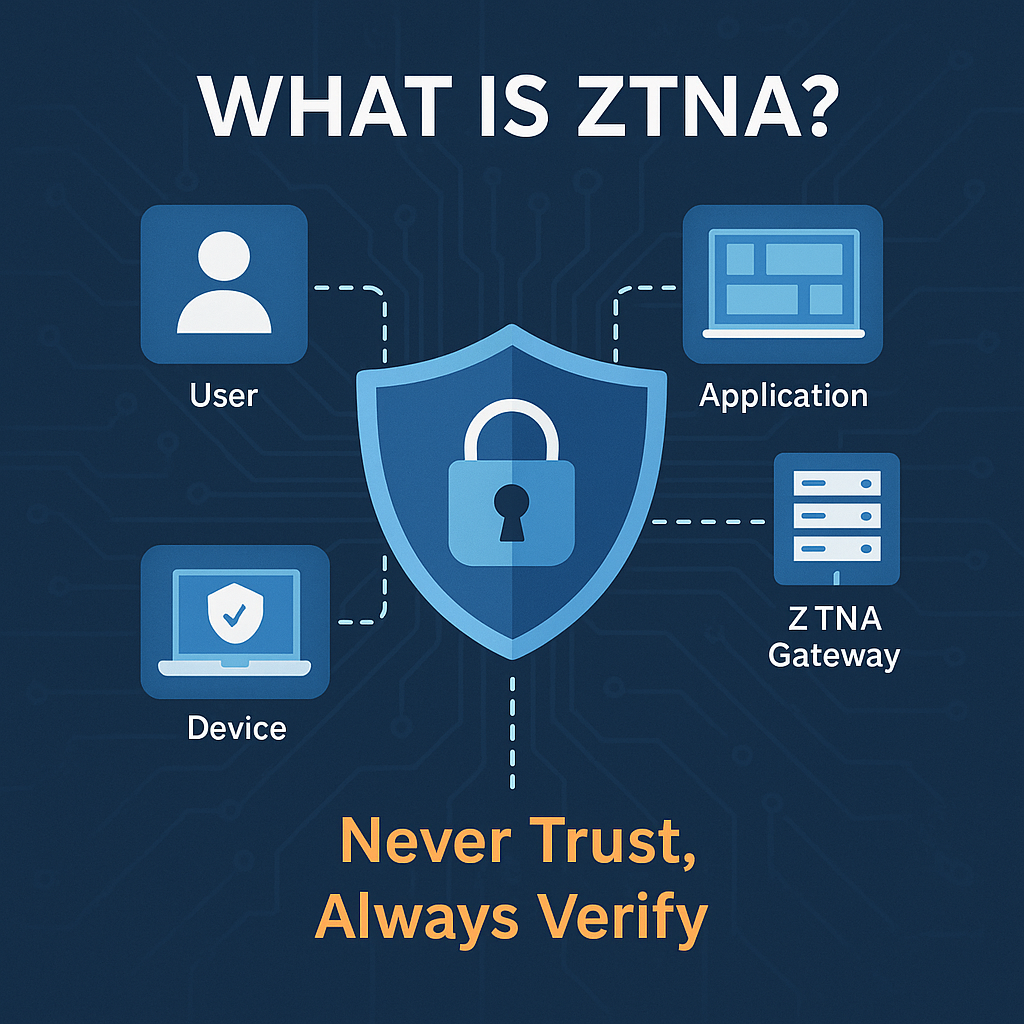
Honeypots and Zero Trust Security
Honeypots align well with Zero Trust principles.
How Honeypots Support Zero Trust
-
Assume breach mentality
-
Validate suspicious behavior
-
Reduce attacker dwell time
-
Improve internal visibility
This makes honeypots valuable in modern enterprise security frameworks.
Who Should Use Honeypots?
Honeypots are useful across industries and roles.
Ideal Users of Honeypots
-
Cybersecurity teams
-
IT managers
-
MSSPs
-
Enterprises with sensitive data
-
Organizations facing targeted attacks
If your organization wants deeper insight into threats, learning what is a honeypot is a smart starting point.
Frequently Asked Questions (FAQ)
1. What is a honeypot used for?
A honeypot is used to detect, analyze, and understand cyber attacks by attracting malicious activity.
2. Are honeypots legal?
Yes, when properly configured and compliant with local laws. Legal review is recommended before deployment.
3. Can honeypots stop attacks?
Honeypots don’t block attacks directly but provide early detection and intelligence that improves response.
4. Are honeypots risky?
They can be if misconfigured. Isolation and monitoring reduce risk significantly.
5. Do small businesses need honeypots?
While optional, honeypots can provide valuable insight even for smaller organizations facing targeted threats.
Final Thoughts: Why Honeypots Matter More Than Ever
Cyber attackers are becoming faster, stealthier, and more targeted. Traditional defenses alone are no longer enough. Understanding what is a honeypot gives organizations a strategic advantage—turning attackers into sources of intelligence instead of unseen threats.
Honeypots shift the balance of power by exposing attacker behavior before real damage occurs. For security teams and business leaders alike, they are a smart addition to any modern cybersecurity strategy.
Strengthen Your Security with Advanced Threat Visibility
See threats before they impact your business. Gain real-time visibility, faster detection, and smarter response with enterprise-grade protection.
👉 Request a demo today:
https://www.xcitium.com/request-demo/
Because the best defense is knowing your enemy—before they know you’re watching.