Vendor Risk Management Framework: A Complete Guide to Reducing Third-Party Risk
Updated on February 17, 2026, by Xcitium
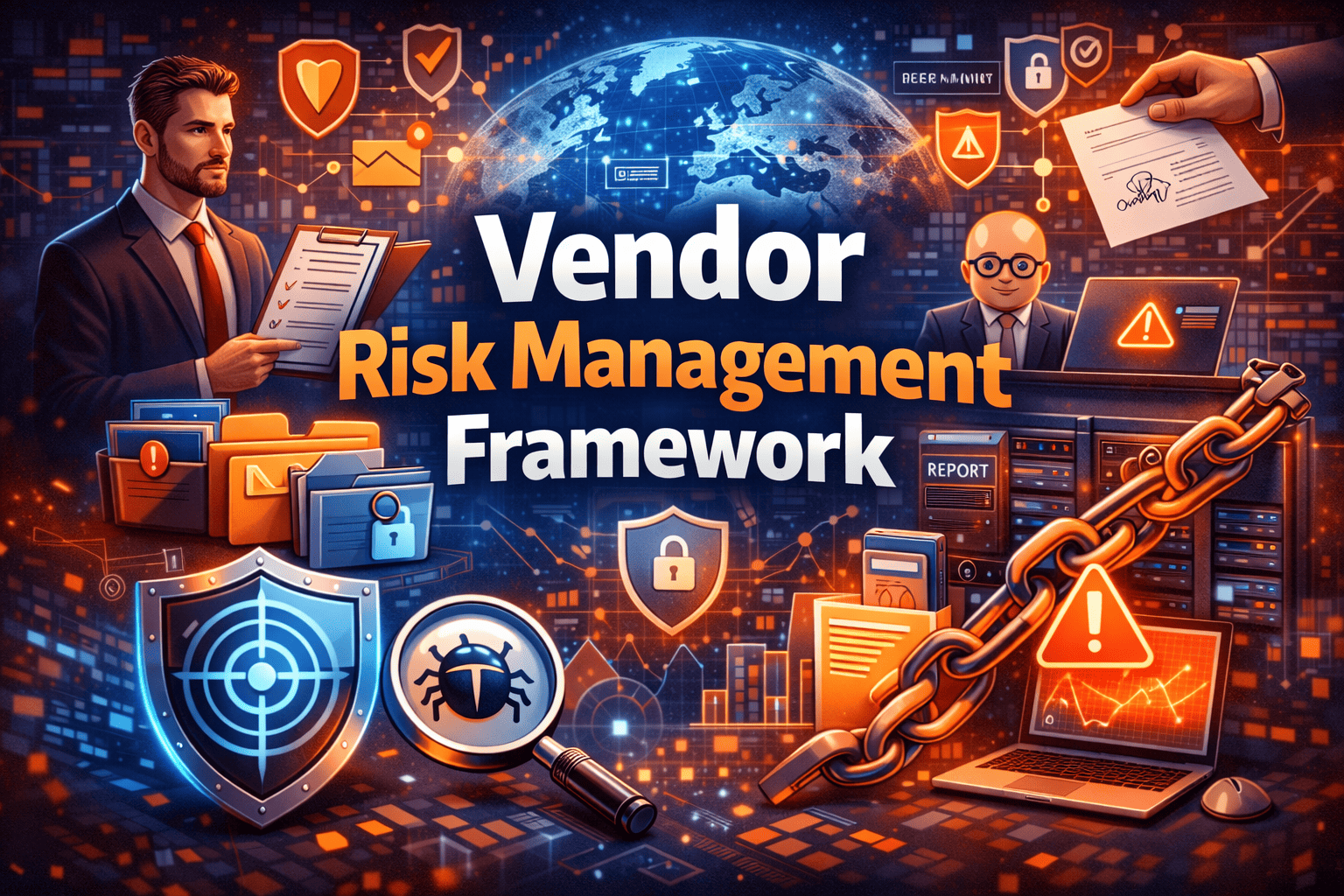
Your organization may have strong internal security controls—but what about your vendors? Third-party breaches are rising, and attackers increasingly target suppliers, contractors, and service providers to infiltrate larger enterprises. That’s why building a strong vendor risk management framework is no longer optional.
From cloud providers and SaaS platforms to payment processors and logistics partners, modern businesses rely heavily on third parties. However, every vendor introduces potential cyber, compliance, operational, and reputational risk.
In this comprehensive guide, we’ll break down what a vendor risk management framework is, why it matters, key components, best practices, and how IT managers, cybersecurity teams, CEOs, and founders can implement it effectively.
What Is a Vendor Risk Management Framework?
A vendor risk management framework is a structured approach used to identify, assess, monitor, and mitigate risks associated with third-party vendors. It ensures that organizations understand and manage the security, compliance, financial, and operational risks vendors may introduce.
A well-designed vendor risk management framework typically includes:
-
Risk assessment processes
-
Vendor due diligence
-
Ongoing monitoring
-
Compliance verification
-
Incident response planning
-
Contractual security requirements
This framework helps organizations maintain control over third-party risk exposure.
Why Vendor Risk Management Is Critical Today
Modern supply chains are deeply interconnected. Organizations rely on vendors for:
-
Cloud infrastructure
-
SaaS applications
-
IT support
-
Payroll services
-
Data processing
-
Security tools
However, if a vendor experiences a breach, your organization may also be impacted.
Common Third-Party Risks
-
Data breaches through compromised vendors
-
Non-compliance with industry regulations
-
Service disruptions
-
Intellectual property theft
-
Financial instability
A vendor risk management framework reduces exposure by proactively managing these risks.
Key Components of a Vendor Risk Management Framework
A successful vendor risk management framework is built on structured, repeatable processes.
1. Vendor Identification and Classification
Start by creating a complete inventory of all third-party vendors.
Categorize Vendors Based On:
-
Access to sensitive data
-
Operational impact
-
Regulatory exposure
-
Critical service dependency
High-risk vendors require stricter oversight.
2. Risk Assessment and Due Diligence
Before onboarding a vendor, conduct thorough due diligence.
Assess:
-
Cybersecurity posture
-
Compliance certifications (ISO 27001, SOC 2, HIPAA, etc.)
-
Data protection policies
-
Financial stability
-
Incident response capabilities
Standardized vendor risk assessment questionnaires improve consistency.
3. Contractual Security Requirements
Contracts should include security obligations.
Include Clauses For:
-
Data protection standards
-
Breach notification timelines
-
Security audits
-
Compliance commitments
-
Termination rights
Legal agreements strengthen enforcement.
4. Continuous Monitoring and Reassessment
Risk does not end after onboarding.
Ongoing vendor risk monitoring should include:
-
Annual security reviews
-
Updated compliance documentation
-
Threat intelligence analysis
-
Performance monitoring
Continuous oversight strengthens resilience.
5. Incident Response Planning
Your vendor risk management framework must include contingency planning.
Prepare for:
-
Vendor data breaches
-
Service outages
-
Regulatory violations
-
Contract disputes
Clear escalation procedures reduce response time.
Types of Vendor Risks to Monitor
A strong vendor risk management framework addresses multiple risk categories.
Cybersecurity Risk
Assess vendor security controls, encryption practices, and identity management.
Compliance Risk
Ensure vendors meet industry regulations and legal obligations.
Operational Risk
Evaluate service reliability and disaster recovery plans.
Financial Risk
Review vendor stability to prevent unexpected disruptions.
Reputational Risk
Vendor misconduct can harm your brand image.
Vendor Risk Management Framework and Regulatory Compliance
Regulators increasingly expect formal vendor risk management programs.
Frameworks such as:
-
GDPR
-
HIPAA
-
PCI-DSS
-
NIST Cybersecurity Framework
-
ISO 27001
require third-party risk oversight.
Failure to manage vendor risk can result in:
-
Regulatory fines
-
Legal penalties
-
Contractual liability
-
Loss of customer trust
Compliance alignment is a core benefit of a vendor risk management framework.
Building a Vendor Risk Management Framework: Step-by-Step
To implement a structured approach, follow these steps.
Step 1: Develop a Vendor Risk Policy
Define governance, roles, and responsibilities.
Step 2: Establish Risk Scoring Criteria
Create standardized evaluation metrics.
Step 3: Implement Vendor Assessment Tools
Use automation platforms to manage questionnaires and scoring.
Step 4: Integrate Security Monitoring Tools
Combine vendor oversight with threat detection systems.
Step 5: Conduct Regular Audits
Perform periodic compliance checks and security reviews.
Best Practices for Effective Vendor Risk Management
To strengthen your vendor risk management framework:
-
Centralize vendor documentation
-
Use automated risk assessment tools
-
Maintain updated vendor inventories
-
Enforce least privilege access
-
Conduct tabletop breach simulations
-
Train procurement and IT teams
Cross-department collaboration improves outcomes.
Vendor Risk in Cloud and SaaS Environments
Cloud and SaaS vendors introduce unique challenges.
Risks include:
-
Data residency issues
-
Multi-tenant vulnerabilities
-
API security gaps
-
Shared infrastructure exposure
Your vendor risk management framework should evaluate cloud architecture security thoroughly.
Technology Tools Supporting Vendor Risk Management
Several technologies enhance vendor risk oversight.
Governance, Risk, and Compliance (GRC) Platforms
Centralize vendor tracking and documentation.
Security Ratings Services
Provide real-time external security posture insights.
Third-Party Risk Monitoring Tools
Continuously scan vendor environments for vulnerabilities.
Identity and Access Management (IAM)
Restrict vendor system access based on least privilege principles.
Common Mistakes in Vendor Risk Management
Avoid these pitfalls:
-
One-time assessments without follow-up
-
Overlooking small vendors
-
Ignoring subcontractors
-
Weak contractual clauses
-
Lack of executive oversight
A vendor risk management framework must be continuous and proactive.
The Role of Cybersecurity in Vendor Risk Management
Cybersecurity teams play a central role.
Responsibilities include:
-
Conducting vendor penetration testing
-
Reviewing audit reports
-
Monitoring threat intelligence
-
Coordinating incident response
Vendor risk is cybersecurity risk.
Future Trends in Vendor Risk Management
Emerging trends include:
-
AI-driven vendor risk scoring
-
Continuous automated monitoring
-
Zero Trust vendor access
-
Real-time compliance dashboards
-
Integrated supply chain risk analysis
Organizations that modernize their vendor risk management framework stay ahead of evolving threats.
Frequently Asked Questions (FAQ)
1. What is a vendor risk management framework?
A vendor risk management framework is a structured approach to identifying, assessing, and mitigating risks associated with third-party vendors.
2. Why is vendor risk management important?
Third-party vendors can introduce cybersecurity, compliance, and operational risks that impact your organization.
3. How often should vendors be assessed?
High-risk vendors should be reviewed annually or more frequently depending on exposure.
4. What industries require vendor risk management?
Healthcare, finance, retail, manufacturing, and technology sectors all require structured vendor oversight.
5. Can small businesses implement vendor risk management?
Yes. Even small organizations benefit from structured third-party risk assessment processes.
Strengthen Your Third-Party Security Today
Vendors are essential partners—but they also represent potential vulnerabilities. A strong vendor risk management framework protects your organization from hidden threats within your supply chain.
By implementing structured assessments, continuous monitoring, and strong contractual safeguards, you reduce exposure and improve resilience.
If you’re ready to enhance your cybersecurity posture and strengthen your third-party risk strategy—
👉 Request a personalized demo today:
https://www.xcitium.com/request-demo/
Protect your business. Secure your vendors. Reduce third-party risk.