How Do I Learn Artificial Intelligence? The Complete 2026 Guide for IT Teams, Cybersecurity Pros & Business Leaders
Updated on December 9, 2025, by Xcitium
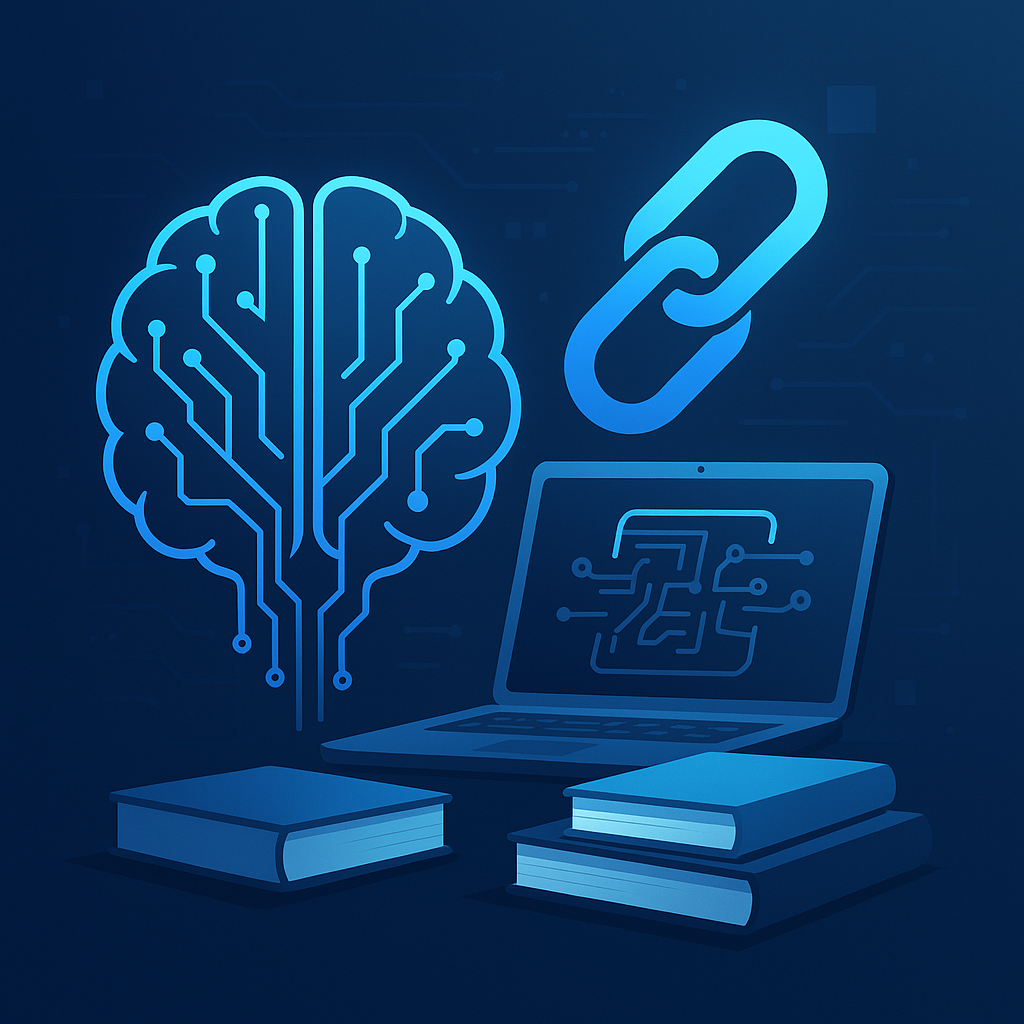
If you’ve ever asked yourself, “How do I learn artificial intelligence?” you’re far from alone. AI is transforming nearly every industry—from cybersecurity and online security to business automation, healthcare, finance, and IT operations. As AI becomes deeply embedded in how organizations work, leaders across every function want to understand how to learn AI efficiently, correctly, and strategically.
But with thousands of courses, tools, tutorials, and training paths available, the process can feel overwhelming. Should you start with machine learning? Python? Neural networks? Cloud-based AI platforms? Or cybersecurity-focused AI? And what path makes the most sense for your role—whether you’re an IT manager, cybersecurity analyst, CEO, or technology strategist?
This comprehensive guide breaks down exactly how to learn artificial intelligence in a structured, practical, and business-aligned way.
What Does It Mean to “Learn Artificial Intelligence”?
Before diving into how to learn artificial intelligence, it’s important to understand what AI actually includes. AI is not one thing—it’s a collection of technologies and skills.
Core Areas of AI
-
Machine Learning (ML): Systems that learn from data
-
Deep Learning: Neural networks modeled after the human brain
-
Natural Language Processing (NLP): Language-based AI
-
Computer Vision: AI that understands images and video
-
Reinforcement Learning: Trial-and-error training
-
Generative AI: Tools like ChatGPT, Midjourney, and content generators
-
AI Cybersecurity Tools: AI-driven detection, automated response
Understanding these pillars helps you choose the right learning path based on your career goals.
Why Learning AI Matters for Cybersecurity, IT, and Business Leadership
AI is becoming a mandatory skill—not a “nice to have.”
1. Cybersecurity Depends on AI
Modern attacks evolve too fast for human-only defense strategies.
AI supports:
-
anomaly detection
-
threat prediction
-
automated response
-
endpoint protection
-
behavioral analysis
2. CEOs and CTOs Must Understand AI Strategy
Business leaders use AI to:
-
streamline operations
-
improve productivity
-
reduce costs
-
optimize workflows
-
innovate faster
3. IT Managers Need AI to Support Automation
AI helps automate:
-
server monitoring
-
log analysis
-
patching
-
ticket resolution
-
user support workflows
4. AI Skills Improve Career Growth
AI-certified professionals earn significantly higher salaries and are in strong demand.
How Do I Learn Artificial Intelligence? Start With the Fundamentals
Let’s walk through the learning journey step-by-step.
This roadmap works for:
-
beginners
-
IT professionals
-
cybersecurity analysts
-
executives
-
technical teams
Step 1: Learn the Fundamentals of AI
Begin with a high-level understanding of how AI works.
Key Concepts to Understand
-
What is AI?
-
Machine learning vs deep learning
-
Supervised vs unsupervised learning
-
Neural networks
-
Data labeling and feature engineering
-
AI limitations and ethical considerations
Helpful beginner resources
-
Coursera: AI for Everyone
-
edX: Intro to Artificial Intelligence
-
YouTube explainers
Why this matters:
You can’t apply AI until you understand what problems it solves and what data it requires.
Step 2: Learn Python — the Language of AI
Python is essential for anyone learning AI.
Python Topics to Cover
-
Variables and data types
-
Loops and functions
-
Libraries (NumPy, Pandas, Matplotlib)
-
Jupyter Notebook
-
Basic scripting
Even if you’re not planning to code full-time, knowing Python helps you understand AI development processes.
Step 3: Learn Machine Learning Algorithms
After fundamentals and Python, start learning ML.
Beginner-Friendly ML Algorithms
-
Linear regression
-
Logistic regression
-
Decision trees
-
Random forest
-
K-nearest neighbors
-
Naive Bayes
Tools you can use
-
Scikit-Learn
-
TensorFlow
-
PyTorch
-
Google Colab
These algorithms give you the foundation for more advanced deep learning.
Step 4: Learn Deep Learning and Neural Networks
Deep learning powers:
-
image recognition
-
speech analysis
-
generative tools
-
advanced cybersecurity detection
Deep Learning Topics
-
Multi-layer neural networks
-
Convolutional neural networks (CNNs)
-
Recurrent neural networks (RNNs)
-
LSTM networks
-
Transformers
Deep learning is essential for cybersecurity AI, especially for anomaly detection.
Step 5: Build Real Projects (Critical Step!)
The fastest way to learn AI is by building real-world projects.
AI Project Ideas for Cybersecurity
-
Threat detection model
-
Log anomaly classifier
-
Email phishing detection
-
Malware classification
AI Projects for Business Leaders
-
Chatbot automation
-
Sales forecasting
-
Sentiment analysis
-
Process optimization
AI Projects for IT Managers
-
Server anomaly alerts
-
Predictive maintenance
-
Ticket classification
Hands-on work transforms theoretical knowledge into real skill.
Step 6: Learn AI Security and Ethical Considerations
AI is powerful—but it can be dangerous if misused.
Learning responsible AI is essential.
Key Topics
-
Data privacy
-
Bias in AI models
-
Accountability and transparency
-
Adversarial machine learning
-
Secure model deployment
Cybersecurity teams especially must understand adversarial attacks and model poisoning.
Step 7: Apply AI in Cybersecurity Using Modern Tools
Cybersecurity is one of the most important fields where AI is applied today.
AI in Cybersecurity Helps With
-
Advanced persistent threat detection
-
Zero-day attack prediction
-
Behavior-based alerting
-
Endpoint isolation
-
Threat intelligence correlation
Platforms like Xcitium use these technologies to protect organizations from fast-moving threats.
Step 8: Choose a Learning Path Based on Your Role
AI learning is not one-size-fits-all.
AI for Cybersecurity Professionals
Focus on:
-
anomaly detection
-
threat modeling
-
adversarial attacks
-
SIEM integrations
AI for IT Managers
Focus on:
-
automation workflows
-
monitoring systems
-
predictive analytics
AI for CEOs / Founders
Focus on:
-
strategy
-
ROI
-
risk management
-
organizational adoption
AI for Developers
Focus on:
-
Python
-
ML algorithms
-
deep learning frameworks
How Long Does It Take to Learn Artificial Intelligence?
Your timeline depends on your goals:
1–2 months
Basic understanding + beginner Python
3–6 months
Machine learning proficiency + simple projects
6–12 months
Deep learning, neural networks, cybersecurity AI skills
1–2 years
Expert-level AI engineer or applied AI specialist
Consistency matters more than speed.
Best Free Tools for Learning Artificial Intelligence
Beginner Tools
-
Google Colab
-
Kaggle
-
Coursera free courses
-
YouTube tutorials
Cybersecurity AI Tools
-
Xcitium platform
-
Elastic Security
-
Splunk
-
IBM QRadar
Programming Tools
-
Python
-
Jupyter Notebook
-
GitHub
Common Mistakes When Learning AI
❌ Jumping straight into deep learning
You must learn the basics first.
❌ Avoiding math entirely
You don’t need advanced math, but you do need foundations.
❌ Following tutorials without building real projects
Projects build real-world understanding.
❌ Ignoring cybersecurity and ethics
AI must be used responsibly.
❌ Not understanding data
Data quality determines model quality.
AI Learning Roadmap (Printable Checklist)
✔ Learn fundamentals
✔ Learn Python
✔ Learn machine learning
✔ Learn deep learning
✔ Build projects
✔ Learn AI ethics
✔ Explore AI for cybersecurity
✔ Create a portfolio
Conclusion: How Do I Learn Artificial Intelligence in a Smart, Strategic Way?
Learning artificial intelligence does not require genius-level math or a PhD. It requires a structured roadmap, consistent practice, and hands-on experience. Whether you’re in cybersecurity, IT management, or executive leadership, mastering AI will transform your ability to make strategic decisions, solve complex problems, and position your organization for long-term success.
AI is the future of digital transformation, cybersecurity, automation, and innovation.
The question isn’t “Should I learn AI?” — it’s “How soon can I start?”
Ready to Strengthen Your AI-Driven Cybersecurity Strategy?
See how AI-powered cybersecurity transforms your organization.
👉 Request your Xcitium demo today:
https://www.xcitium.com/request-demo/
FAQ: How Do I Learn Artificial Intelligence?
1. Do I need to know math to learn AI?
Only basic math is required for beginners. Advanced math helps later, but it’s not necessary to start.
2. Is Python required for learning AI?
Yes—Python is the most widely used AI programming language.
3. Can beginners learn AI without coding?
Yes. Many tools introduce AI concepts without programming. However, coding eventually unlocks deeper capabilities.
4. How long does it take to learn artificial intelligence?
Beginners can learn AI basics in 1–2 months. Full competency takes 6–12 months with consistent practice.
5. Is AI useful for cybersecurity?
Absolutely. AI enhances threat detection, accelerates incident response, and improves endpoint protection.