How to Find My IP Address on My Computer: A Simple Step-by-Step Guide
Updated on January 20, 2026, by Xcitium
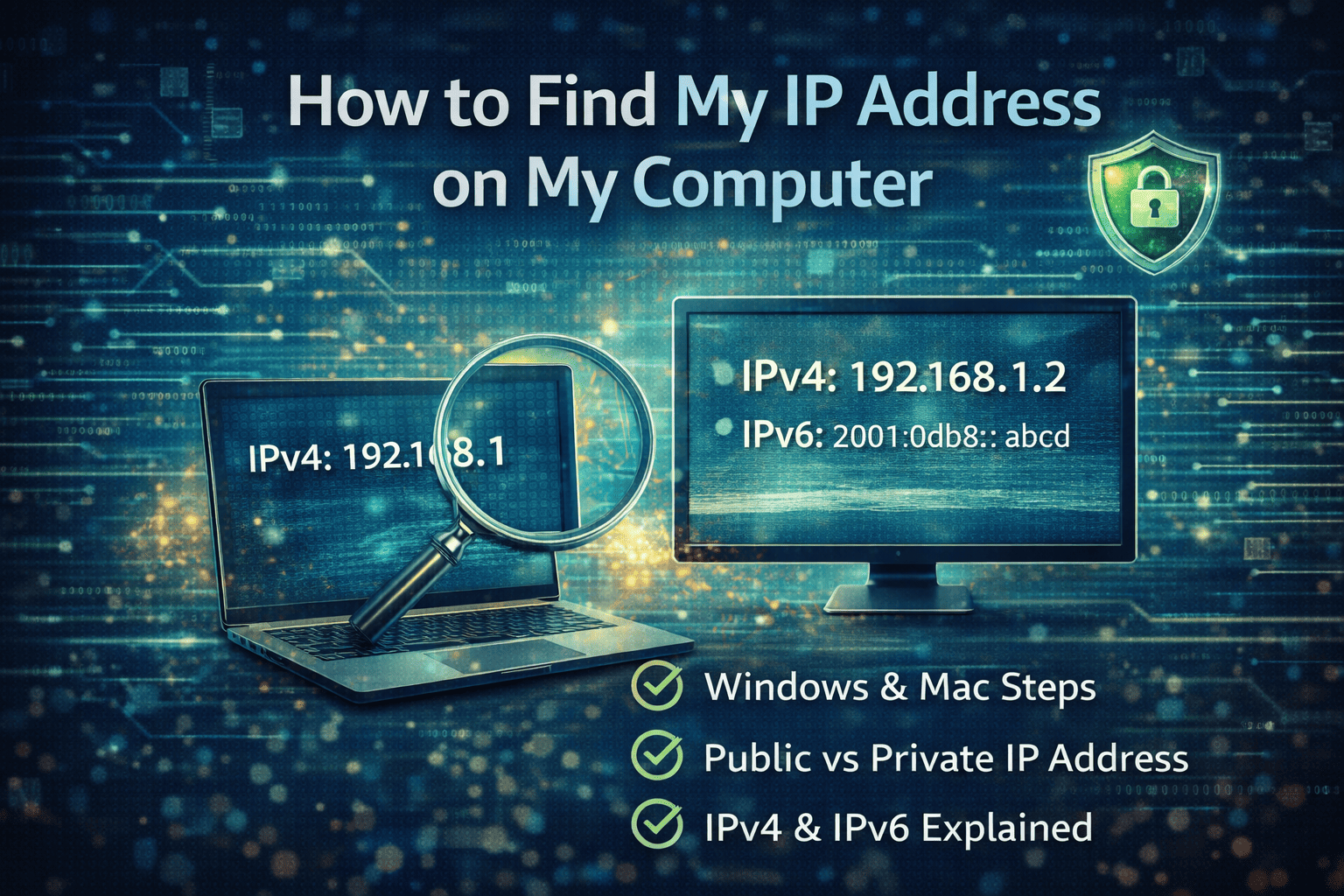
Have you ever needed your IP address to troubleshoot a network issue, configure security settings, or access a remote system? You’re not alone. Many users—from everyday professionals to IT managers—regularly ask how to find my IP address on my computer. Whether you’re diagnosing connectivity problems or improving security visibility, knowing your IP address is an essential skill.
In today’s connected world, IP addresses play a critical role in communication, cybersecurity, and network management. This guide explains how to find your IP address on Windows and Mac computers, what the numbers mean, and why understanding your IP address matters for security and business operations.
What Is an IP Address and Why Does It Matter?
An IP (Internet Protocol) address is a unique numerical identifier assigned to your device when it connects to a network. It allows devices to communicate with each other over the internet or a local network.
Understanding how to find my IP address on my computer starts with knowing why IP addresses are important.
Why IP Addresses Matter
-
Enable internet and network communication
-
Help identify devices on a network
-
Support troubleshooting and diagnostics
-
Play a role in cybersecurity monitoring
For IT teams and business leaders, IP visibility is essential for managing access and detecting threats.
Public vs Private IP Address: What’s the Difference?
Before learning how to find your IP address, it’s important to understand that most devices have two types of IP addresses.
Public IP Address
-
Assigned by your internet service provider (ISP)
-
Visible to websites and external services
-
Used for internet communication
Private IP Address
-
Assigned within your local network
-
Used for internal communication
-
Not visible to the public internet
When users ask how to find my IP address on my computer, they often mean either public or private—depending on the situation.
How to Find My IP Address on My Computer (Windows)
Windows provides multiple easy ways to locate your IP address.
Method 1: Using Network Settings (Windows 10 & 11)
-
Click Start → Settings
-
Select Network & Internet
-
Choose Wi-Fi or Ethernet
-
Click your active connection
-
Scroll to Properties
-
Look for IPv4 address
This method is user-friendly and ideal for non-technical users.
Method 2: Using Command Prompt
-
Press Windows + R
-
Type
cmdand press Enter -
Type
ipconfig -
Press Enter
-
Find the IPv4 Address
This method is popular among IT professionals who need quick network details.
How to Find My IP Address on My Computer (Mac)
Mac users can also locate their IP address easily.
Method 1: Using System Settings
-
Click the Apple menu
-
Select System Settings (or System Preferences)
-
Choose Network
-
Select Wi-Fi or Ethernet
-
Your IP address appears under connection details
This approach is straightforward and works for most users.
Method 2: Using Terminal
-
Open Terminal
-
Type
ifconfig -
Press Enter
-
Look for inet under the active interface
This method is useful for advanced troubleshooting and scripting.
How to Find Your Public IP Address Online
If you’re asking what is my IP address in the public sense, you can find it online.
Easy Ways to Find Your Public IP
-
Search “what is my IP address” in Google
-
Use trusted IP lookup websites
-
Check router or firewall dashboards
Public IP addresses are often used for remote access, VPNs, and security monitoring.
IPv4 vs IPv6: What You Should Know
IP addresses come in two formats.
IPv4
-
Most common
-
Looks like:
192.168.1.1 -
Limited address space
IPv6
-
Newer and more secure
-
Looks like:
2001:0db8:85a3::8a2e:0370:7334 -
Designed for modern networks
When learning how to find my IP address on my computer, you may see both formats listed.
Why Knowing Your IP Address Is Important for Security
IP addresses play a key role in cybersecurity operations.
Security Use Cases for IP Addresses
-
Detect unauthorized access
-
Investigate suspicious activity
-
Configure firewalls and access controls
-
Monitor network traffic
For organizations, IP visibility helps reduce risk and improve incident response.
IP Addresses in Business and Enterprise Environments
In business environments, IP addresses help manage scale and security.
Why Businesses Track IP Addresses
-
Identify compromised endpoints
-
Enforce network segmentation
-
Support compliance audits
-
Enable remote workforce security
IT managers often need to know how to find my IP address on my computer to support troubleshooting and policy enforcement.
Common Issues When Finding Your IP Address
Sometimes users encounter confusion when checking IP details.
Common Problems Explained
-
Multiple IP addresses on one device
-
VPNs changing public IP addresses
-
Dynamic IP changes from ISPs
-
Incorrect network adapter selection
Understanding these factors helps avoid misinterpretation.
Best Practices for Managing IP Addresses Safely
Knowing your IP address is useful—but protecting it is equally important.
Actionable IP Security Tips
-
Use VPNs for remote access
-
Restrict IP-based access where possible
-
Monitor login attempts by IP
-
Rotate credentials regularly
Strong IP hygiene supports better cybersecurity outcomes.
How IP Addresses Support Troubleshooting
IP addresses are often the starting point for resolving network issues.
Common Troubleshooting Scenarios
-
Internet connectivity failures
-
Remote desktop issues
-
Printer and device communication
-
Firewall configuration errors
Knowing how to find your IP address saves time and reduces downtime.
Frequently Asked Questions (FAQ)
1. How do I find my IP address on my computer quickly?
Use network settings on Windows or Mac, or type ipconfig (Windows) or ifconfig (Mac).
2. Is my IP address private information?
Your public IP can reveal general location and ISP, so it should be protected.
3. Does my IP address change?
Yes. Most ISPs assign dynamic IP addresses that change periodically.
4. Can two devices have the same IP address?
Not on the same network. Each device must have a unique IP.
5. Should businesses monitor employee IP addresses?
Yes. Monitoring IP activity improves security and compliance.
Final Thoughts: Understanding Your IP Address Empowers You
Knowing how to find my IP address on my computer is a simple skill with powerful benefits. From troubleshooting network issues to improving cybersecurity awareness, your IP address plays a central role in how devices communicate and stay protected.
For individuals and organizations alike, IP visibility is a foundational element of secure, efficient digital operations.
Strengthen Your Endpoint and Network Visibility Today
Gain deeper insight into devices, activity, and threats across your environment.
👉 Request a demo now:
https://www.xcitium.com/request-demo/
Because better visibility starts with knowing what’s connected—and how.