Identity Security is the tools and processes used to protect, manage, and monitor an organization's digital identities. It works with Zero Trust security measures to safeguard privileged identities and data and thwart cyberattacks.
What is Identity Security?
Identity security safeguards both human and machine identities to guarantee that only authorized users have access to sensitive data. It's integral to staying safe online, so everyone should know its importance.
This could include multifactor authentication, employee education, awareness programs, and incident response planning.
Identity security should provide insight into the usage of identities, privilege escalation activities, and entitlement exposures. This can be accomplished through Identity Threat Detection and Response (ITDR) technology.
A robust ITDR solution can enhance an XDR platform by correlating attack data and activating incident response actions. It also gives visibility across all identity infrastructures, from Active Directory (AD) to cloud systems.
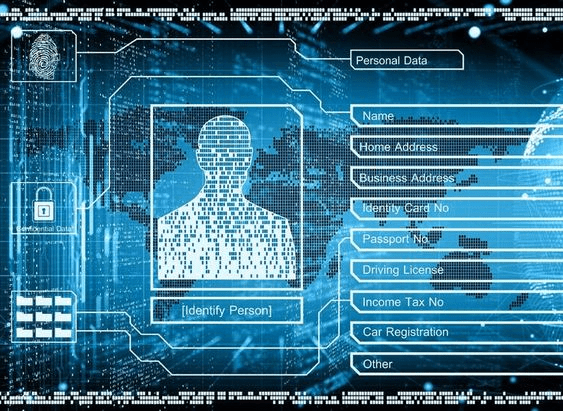
Why is Identity Security Important?
Identity security is an integral element of cybersecurity, protecting against cybercriminals, identity theft, and data breaches. It also helps keep sensitive information safe while minimizing the likelihood of lawsuits or other negative financial repercussions from a data breach.
In today's digital world, where technology is critical in business operations, organizations must invest in identity security solutions. These tools and processes help protect individuals by offering identity governance and access management.
Traditional security models, which prioritize systems and data protection, no longer suffice in today's digital enterprise. Due to phishing attacks, the rise of cloud computing and SaaS applications, and decentralized work-from-anywhere models, identity-centric security must become a cornerstone of any cybersecurity strategy.
A compromised identity can have severe legal, financial, and business repercussions for an organization and reputational damage.
This can be achieved by creating long and complex passwords using uppercase letters and numbers. Furthermore, password managers or two-factor authentication (2FA) can further boost security levels.
Another way to safeguard an organization's identity is by monitoring and alerting employees about potential threats. By keeping tabs on login attempts, file access, and network traffic, companies can quickly detect malicious activities like phishing attacks, account takeovers, or other attacks that could compromise their data.
Finally, educating employees about identity security and giving them the tools necessary to protect their personal information is essential. This may include teaching them how to recognize phishing emails and other threats.
Implementing identity security can be challenging, but the effort pays off. Not only will this safeguard an organization's identity and vital data from malicious actors, but it will also boost employee satisfaction levels.
How is Identity Security Different from Zero Trust?
Traditional security perimeters are no longer sufficient in today's globalized environment of cloud computing, hybrid and edge computing, digital transformation, modern business models, and an ever-increasing number of disruptive technologies. Instead, security must now extend across the entire enterprise.
At its core, identity should remain at the perimeter - protecting employees and data regardless of location or working style. That is the basis of Zero Trust and necessitates continuous identity verification at every access point.
To succeed, you must widen the net to include human and machine identities. Furthermore, it would help if you transformed your mindset towards continuous verification.
To effectively manage privileged access, you need a unified privileged access management (PAM) system that integrates user and device identification with automated approval. This enables the system to automatically assess requests based on critical identifiers and only grant access when it flags them as either standard or low risk.
For instance, when a user requests access to a specific server or application, the PAM system can evaluate their request based on their key identifier and permissions. It then compares this access request against prior activity to detect anomalies that could indicate an attack and take immediate action to safeguard resources.
Additionally, it provides a centralized and detailed overview of resource access. This enables administrators to quickly implement business policies and enforce access rules across all enterprise resources.
You can further protect these resources by requiring multifactor authentication and enabling federated Single Sign-on. This helps stop malicious actors from using the same credentials for multiple accounts, shielding you against phishing attacks that circumvent traditional perimeter defenses such as firewalls.
This makes it easier for attackers to encrypt systems and data if you pay them a ransom. Furthermore, it reduces the cost of recovery if an incident occurs.
Finally, it is critical to monitor and log all data access. Combining this data with network perimeter telemetry allows for detecting suspicious activity that could indicate an active cybersecurity threat from either internal or external sources. Doing so provides comprehensive end-to-end visibility into all access and activities within your organization that helps detect threats before they infiltrate its data.
How is Identity Security Used?
Identity security is safeguarding user identities and data against identity theft and other cybercrimes. It involves technologies and practices that authenticate, authorize, access, and audit identity information and activity. Identity security encompasses a range of tools and processes like multifactor authentication (MFA), the principle of least privilege (PoLP), privileged access management (PAM), as well as continuous monitoring.
Identity attacks are one of the most widespread cybersecurity risks. They range from ransomware and supply chain breaches to insider trading and phishing scams. Identity attacks typically begin through social engineering techniques, where an attacker impersonates a customer service representative or IT support technician to obtain personal information from their victim.
Another type of attack is lateral movement, in which an attacker traverses an organization's network to access sensitive information or systems. These attacks can easily circumvent an identity management system and be particularly hard to detect.
Traditional access management techniques like Single Sign-on and Multifactor Authentication can help to mitigate some of these attacks. Still, they often don't prevent identity-driven breaches, which use compromised credentials to carry out lateral movements and launch more severe and widespread attacks.
Organizations looking to protect against identity-driven attacks should implement an identity security solution that adheres to the Zero Trust cybersecurity framework and is easy to set up.
This solution provides real-time insight into all identity activities, blocking unauthorized users from accessing critical data. Moreover, it can detect, alert, and remediate unauthorized activities on an enterprise level.