Zero-Dwell Endpoint Protection Software
Prevent endpoint breaches by isolating unknown threats instantly. No detection delays. No dwell time. Built for enterprise security teams.
Prevent endpoint breaches by isolating unknown threats instantly. No detection delays. No dwell time. Built for enterprise security teams.
A decade ago, employees were only allowed to use desktops or devices issued by their companies. This ensures that their management has control over corporate network security.
However as years passed by, device mobility in organizations has changed, allowing employees to work from anywhere using a variety of devices and applications. Some implement policies like BYOD (bring your own device) and COPE (corporate-owned, personally-enabled).
This trend, paired with the proliferation of endpoint protection, has opened up a gateway for attackers. Besides this, employees working from home who are connected to a Wi-Fi make company data more vulnerable.
Furthermore, as the Internet of Things grows, new IP-enabled endpoint protection such as sensors, cameras, and lighting arrays are being added to workplace networks at a fast pace.
When all of these considerations are taken into account, cyber security risks are expanding at an unprecedented rate. Shifting security perimeters requires the addition of new levels of security via endpoint protection software.
Here are some of the main types of endpoint security software.
1. Anti-malware: One of the initial forms of endpoint protection software is anti-malware. It is created to stop malware from penetrating an IT system through endpoint protection. One of the usual examples of malware infection comes from harmless email attachments. Once downloaded, they easily spread throughout the network. With antimalware, suspicious files are detected and either quarantined or eliminated. This solution can spot different kinds of threats like rootkits, ransomware, and anti-phishing security.
2. Data Loss Prevention (DLP): DLP endpoint protection software implements data sharing standards and prevents certain types of content from being transferred outside the company. Take this scenario as an example. An employee plans to save a list of clients to a USB drive. With DLP endpoint security software, this action won't be allowed. Data loss prevention software classifies and tracks files, data, emails, and other content - only allowing authorized people to access it. DLP is a crucial component of any compliance plan.
Endpoint Detection and Response (EDR): EDR solutions are designed to continuously monitor threats such as multilayered or coordinated attacks on endpoints. They look for any suspicious behavior and send alerts when they detect strange activities. EDR gathers a variety of endpoint data so IT departments can get a good look at the endpoint threat environment. Its core features include advanced analytics and threat hunting.
Embedded Systems Security: There is unusual endpoints present in company networks today. This ranges from network routers, industrial control systems, medical imaging systems, and more. As the number of embedded smart devices continues to grow, hackers get more opportunities to get into attached networks.
Embedded security uses whitelisting to block unauthorized software, IP addresses, or applications. It also puts into work file integrity monitoring to search for unauthorized changes to configurations or software.
Web Browser Security: Employees use web browsers to do work-related tasks. Browsers make it simple to access apps from any computer on a network or the internet. However, they pose a security risk. Employees may unintentionally access a malware-infected website, which subsequently infects the browser. Furthermore, certain browser add-ons have security flaws. That said, web browser security can be put in place.
Web security can be divided into three categories:
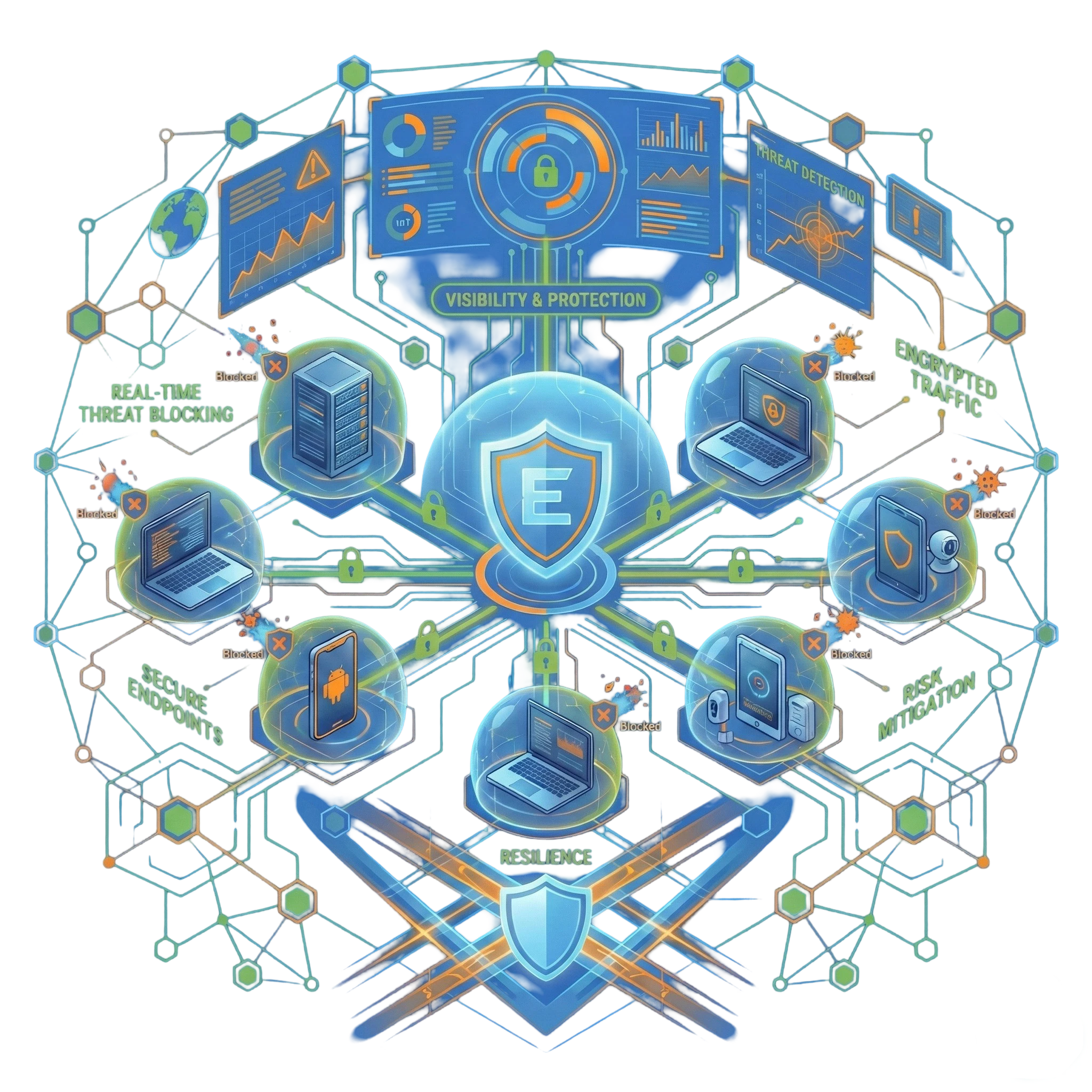
Mobile device management software secures mobile endpoints like smartphones and tablets by deploying security policies. IT managers can adjust the security rules and directives of a device, as well as delete data from a lost phone and lock it. MDM can also be used by IT managers to deploy endpoint protection software to staff devices.
MTD solutions monitor the device consistently, whether it's on or off the network. It identifies and terminates suspicious activities on the device or network, including malware, unusual configuration changes, and unsafe SSL connections.
Endpoint protection software can keep network devices secure at all times. It prevents vulnerabilities and detects suspicious activities regardless of their locations.
Xcitium's endpoint solution can strengthen the security of organizations by providing visibility, control, and proactive defense. It ensures businesses can track and evaluate the risks affecting their endpoints while ensuring all devices follow regulations.
Xcitium virtualizes unknown threats at the endpoint, eliminating dwell time and stopping breaches before detection is required.
Request a ZeroDwell DemoWhen you visit any website, it may store or retrieve information on your browser, mostly in the form of cookies. This information might be about you, your preferences or your device and is mostly used to make the site work as you expect it to. The information does not usually directly identify you, but it can give you a more personalized web experience. Because we respect your right to privacy, you can choose not to allow some types of cookies. Click on the different category headings to find out more and change our default settings. However, blocking some types of cookies may impact your experience of the site and the services we are able to offer.