What Is Doxxed? A Complete Guide to Doxxing, Risks, and Prevention
Updated on December 16, 2025, by Xcitium
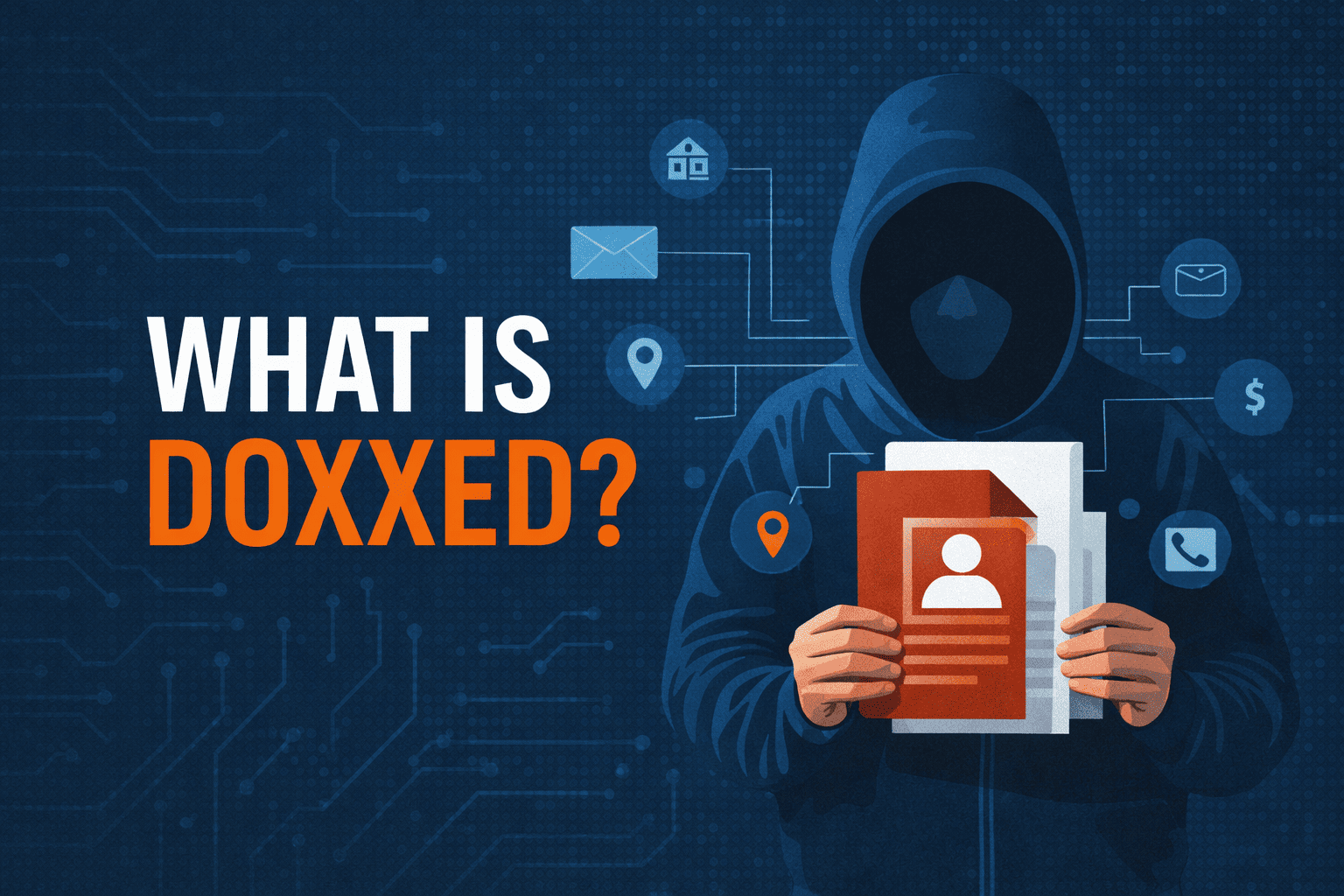
Have you ever seen someone’s private address, phone number, or employer exposed online during an argument or controversy? If so, you’ve likely witnessed doxxing in action. Understanding what is doxxed is critical in today’s digital world, where personal and professional lives are increasingly online—and increasingly vulnerable.
Doxxed Meaning
Doxxing is no longer limited to celebrities or public figures. Employees, executives, gamers, journalists, and everyday users are being targeted. The consequences can range from harassment and identity theft to physical danger and business disruption.
In this guide, we’ll explain what is doxxed, how doxxing works, why it happens, the risks involved, and—most importantly—how individuals and organizations can protect themselves.
What Is Doxxed? (Definition Explained)
What does Doxx mean?
Being doxxed means that someone’s private or personally identifiable information (PII) has been collected and publicly exposed online without their consent. This information is often shared maliciously to harass, intimidate, shame, or threaten the victim.
The exposed information may include:
-
Full name
-
Home address
-
Phone number
-
Email address
-
Workplace or job title
-
Family details
-
Financial or account information
Once published, this data can spread rapidly across social media, forums, and messaging platforms.
Where Does the Term “Doxxed” Come From?
The word doxxed comes from “docs,” short for documents. Early hackers would “drop docs” to expose someone’s identity. Over time, “dropping dox” evolved into the term doxxing.
What began in niche online communities has now become a widespread cyber threat affecting individuals and businesses alike.
How Doxxing Works
Understanding what is doxxed also means understanding how attackers gather information.
1. Open-Source Intelligence (OSINT)
Attackers scrape publicly available data from:
-
Social media profiles
-
Public records
-
Forums and comment sections
-
Data broker websites
2. Social Engineering
Victims may unknowingly share details through:
-
Online conversations
-
Phishing messages
-
Fake profiles
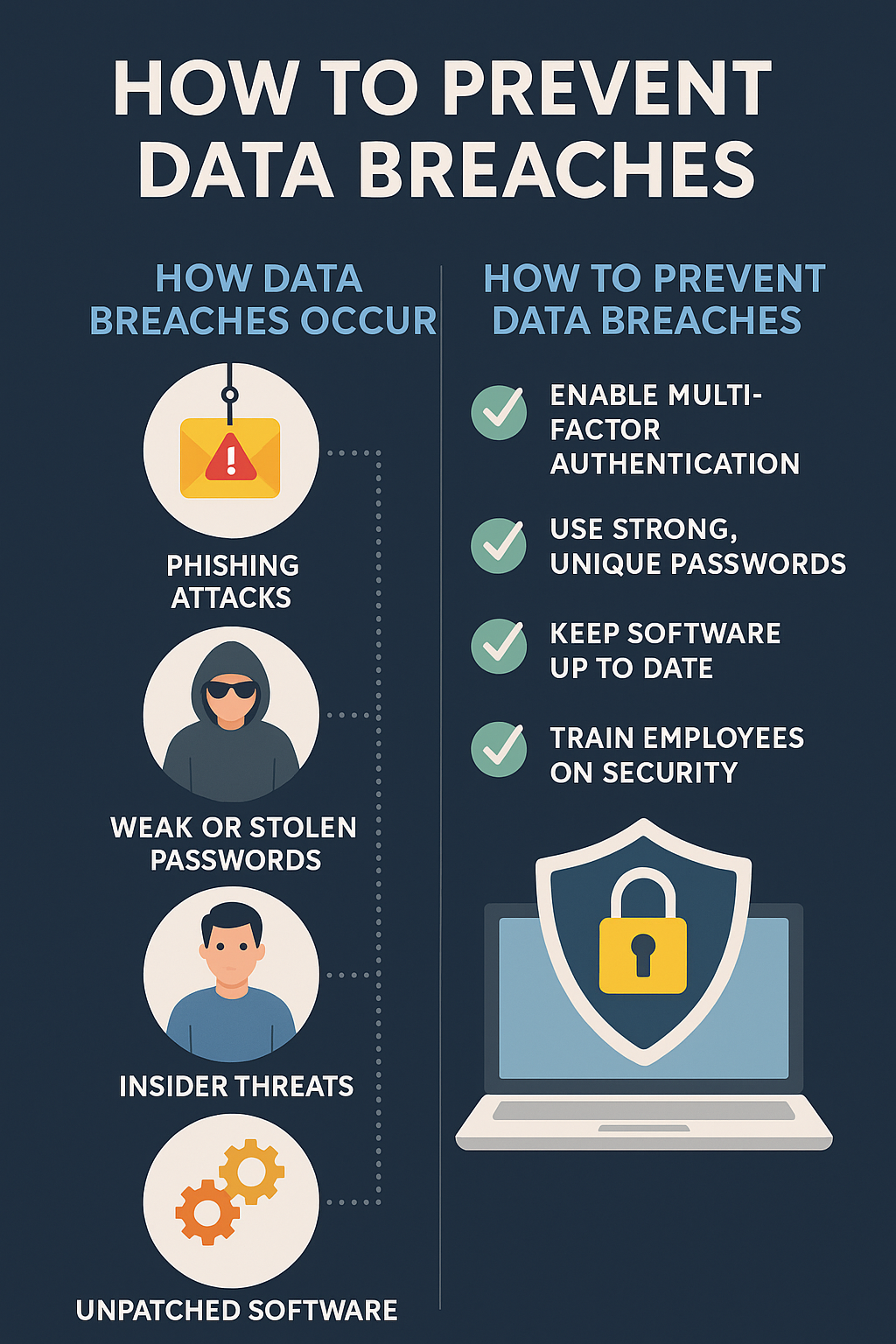
3. Data Breaches
Leaked databases provide attackers with emails, passwords, and personal details.
4. Tracking Digital Footprints
Photos, check-ins, and metadata can reveal locations and habits.
5. Correlation of Small Details
Even harmless pieces of information can be combined to reveal a full identity.
Why Do People Doxx Others?
Motivations behind doxxing vary, but they are rarely harmless.
1. Harassment and Intimidation
Doxxing is often used to silence or punish someone.
2. Revenge or Personal Conflict
Online disputes can escalate into personal attacks.
3. Ideological or Political Targeting
Activists, journalists, and executives are frequent targets.
4. Financial Gain
Doxxed information can be used for fraud or extortion.
5. Entertainment or “Trolling”
Some attackers view doxxing as a form of online entertainment.
Common Types of Doxxing
Doxxing can take several forms.
1. Personal Doxxing
Exposing home address, phone number, or family details.
2. Workplace Doxxing
Sharing employer information to pressure or embarrass victims.
3. Financial Doxxing
Leaking banking or payment information.
4. Swatting
Using doxxed information to make false emergency calls—a dangerous escalation.
5. Corporate or Executive Doxxing
Targeting CEOs, founders, or IT leaders to disrupt operations.
Risks and Consequences of Being Doxxed
Understanding what is doxxed also means understanding the real-world impact.
1. Emotional and Psychological Harm
Victims often experience anxiety, fear, and stress.
2. Physical Safety Risks
Publicly exposed addresses can lead to real-world threats.
3. Identity Theft and Fraud
Doxxed information is often reused for financial crimes.
4. Career and Reputation Damage
Employers and clients may be contacted maliciously.
5. Business Disruption
For organizations, doxxing can escalate into security incidents.
Who Is Most at Risk of Being Doxxed?
Anyone can be doxxed, but some groups face higher risk.
- Public figures and executives
-
Journalists and activists
-
Gamers and streamers
-
IT administrators
-
Employees with online visibility
As digital exposure grows, so does risk.
What to Do If You’ve Been Doxxed
If you believe you’ve been doxxed, act quickly.
Immediate steps to take:
-
Document evidence (screenshots, URLs)
-
Secure all accounts and change passwords
-
Enable multi-factor authentication
-
Lock down social media privacy settings
-
Report content to platforms
-
Contact your employer or IT team if work-related
-
Consider legal advice for severe cases
Early action can limit further damage.
How to Prevent Doxxing (Personal Protection Tips)
Prevention is the best defense.
1. Limit Public Information
Avoid oversharing personal details online.
2. Lock Down Privacy Settings
Restrict who can see posts and personal data.
3. Use Separate Accounts
Keep personal and professional identities distinct.
4. Monitor Your Digital Footprint
Regularly search for your name and data online.
5. Avoid Data Brokers
Opt out of people-search and data aggregation sites.
Doxxing Prevention for Businesses and Organizations
Businesses must also address doxxing risks.
1. Executive Protection Policies
Limit public exposure of leadership information.
2. Employee Awareness Training
Teach staff how to avoid oversharing online.
3. Incident Response Planning
Treat doxxing as a security and HR issue.
4. Endpoint and Identity Security
Prevent attackers from escalating exposure into breaches.
5. Zero Trust Principles
Assume exposure and limit damage proactively.
Role of Cybersecurity in Preventing Doxxing
While doxxing often starts with public data, cybersecurity plays a critical role.
Advanced security solutions help by:
-
Preventing account compromise
-
Detecting malicious access attempts
-
Blocking phishing and data leaks
-
Containing threats at the endpoint
Zero Trust–based platforms like Xcitium OpenEDR® isolate untrusted activity automatically, ensuring that even if personal data is exposed, attackers cannot move laterally or escalate into full breaches.
Legal Status of Doxxing
Is doxxing illegal? The answer depends on jurisdiction.
- Doxxing itself may not always be illegal
-
Harassment, stalking, threats, or swatting often are
-
Laws are evolving as awareness grows
Victims should document incidents and consult legal professionals when necessary.
Doxxing vs Data Breach: What’s the Difference?
| Aspect | Doxxing | Data Breach |
|---|---|---|
| Intent | Targeted harassment | Unauthorized access |
| Scope | Individual-focused | Large-scale |
| Method | OSINT + exposure | System compromise |
| Impact | Personal safety | Data loss |
Both are serious—but doxxing is often more personal and immediate.
Future Trends in Doxxing and Online Harassment
Doxxing tactics continue to evolve.
Emerging trends include:
-
AI-assisted data aggregation
-
Automated OSINT tools
-
Increased targeting of executives
-
Combination of doxxing with ransomware threats
Organizations must adapt as attackers become more efficient.
Frequently Asked Questions – Doxxed Meaning
1. What is doxxed in simple terms?
Being doxxed means your private personal information is exposed online without consent.
2. Is doxxing illegal?
It depends on local laws, but related harassment and threats are often illegal.
3. Can businesses be doxxed?
Yes. Executives and employees are frequent targets.
4. How long does doxxing last?
Once information is public, it can persist indefinitely if not addressed quickly.
5. Can cybersecurity tools stop doxxing?
They can’t stop public exposure, but they can prevent escalation and further damage.
Final Thoughts – Doxxed Meaning
Understanding what is doxxed is no longer optional—it’s essential in a connected world where personal and professional boundaries blur. Doxxing is a serious threat with real-world consequences, but it can be managed through awareness, smart digital habits, and strong security controls.
By combining personal vigilance with Zero Trust cybersecurity, individuals and organizations can reduce exposure, contain damage, and stay resilient—even when attackers try to make things personal.
👉 Want to stop threats from escalating after exposure?
Request a demo of Xcitium today:
https://www.xcitium.com/request-demo/