What is Doxing? A Complete Guide for Businesses and Cybersecurity Leaders
Updated on August 22, 2025, by Xcitium
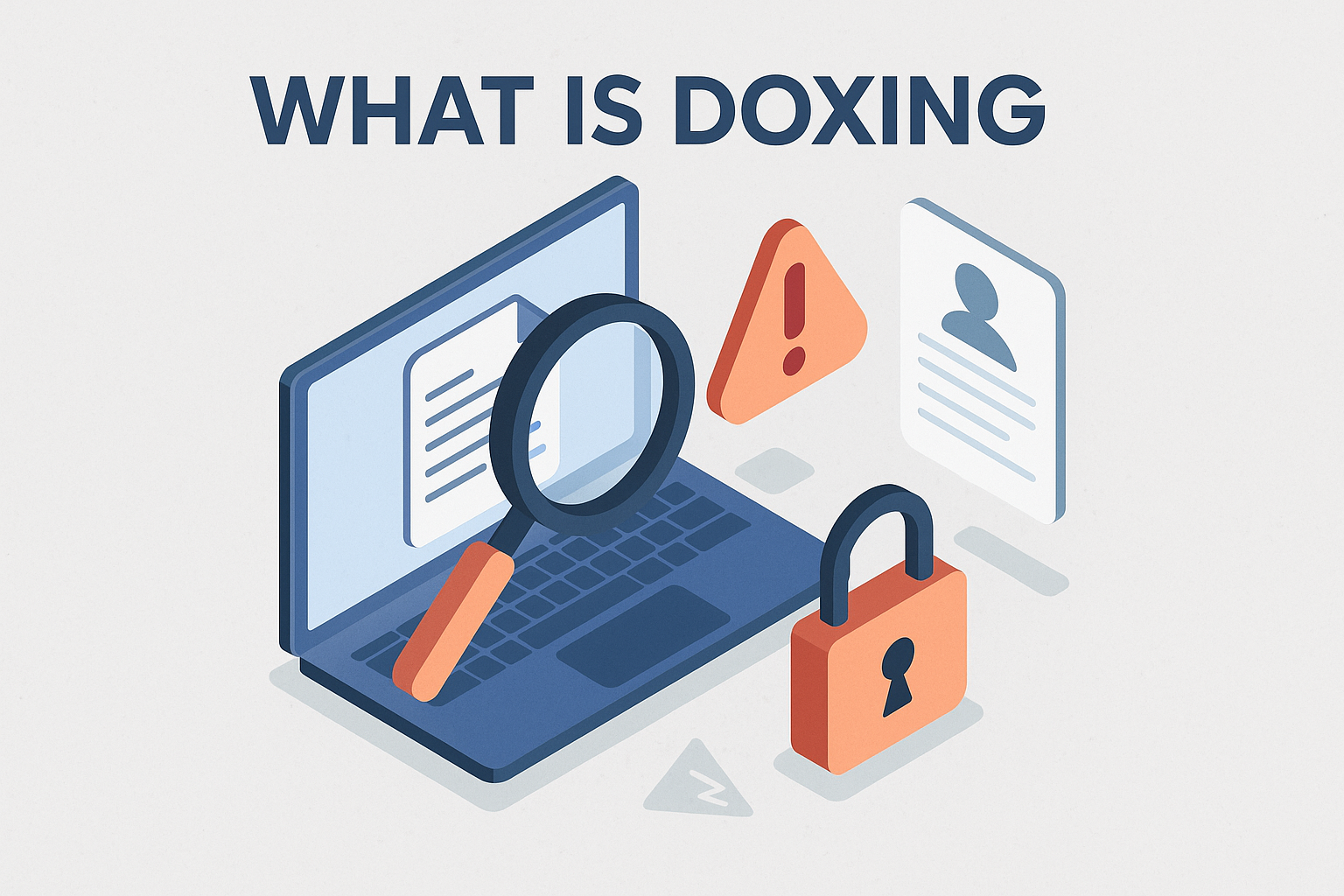
Have you ever wondered what is doxing and why it’s making headlines in cybersecurity circles? Doxing—short for “dropping documents”—is the act of collecting and publicly exposing personal or sensitive information without consent.
While it originally emerged in online forums, doxing has become a serious cybersecurity threat for individuals, businesses, and executives. According to the Pew Research Center, nearly one in five Americans have experienced severe online harassment, with doxing among the most damaging tactics. For IT managers and CEOs, understanding doxing is essential for protecting both employees and corporate reputation.
This guide explores what doxing is, how it works, its consequences, and strategies to prevent it.
What is Doxing?
Doxing is the deliberate act of gathering, publishing, or leaking sensitive personal data online. Attackers typically release information such as names, addresses, phone numbers, or even financial records to harass, intimidate, or cause harm.
Key Characteristics of Doxing:
- Involves non-consensual disclosure of private data.
- Aims to intimidate, harass, or damage reputations.
- Can target individuals, companies, or entire organizations.
- Relies on data aggregation from multiple online sources.
✅ In cybersecurity terms, doxing is a form of social engineering attack that weaponizes personal information.
How Does Doxing Work?
To understand what is doxing, you must look at the methods attackers use.
Common Techniques:
- Social Media Mining – Collecting personal info from public profiles.
- WHOIS Lookup – Revealing domain owners’ registration data.
- Data Breaches – Using leaked usernames, emails, or passwords.
- Phishing Attacks – Trick victims into giving private details.
- Reverse Searches – Tracing phone numbers, photos, or IP addresses.
Step-by-Step Doxing Attack:
- Attacker identifies a target.
- Collects personal details from open sources (OSINT).
- Cross-references data with breached records.
- Publishes info on forums, social media, or dark web.
- Victim suffers harassment, fraud, or identity theft.
Why Do Attackers Dox?
When people ask what is doxing, they also ask why attackers do it.
Motivations Behind Doxing:
- Revenge or Harassment – Personal disputes spilling online.
- Hacktivism – Targeting public figures or companies for political reasons.
- Financial Gain – Selling personal data on the dark web.
- Extortion – Threatening exposure unless ransom is paid.
- Competitive Advantage – Corporate espionage exposing rivals.
For businesses, doxing can mean leaked client information, exposed executives, and reputational damage.
The Impact of Doxing on Businesses
When exploring what does doxing do, the consequences for organizations are significant.
1. Reputation Damage
- Exposed executives may lose trust among stakeholders.
- Customers may view companies as careless with data.
2. Legal & Compliance Risks
- Violations of GDPR, HIPAA, or PCI-DSS if customer data is leaked.
- Potential lawsuits from victims.
3. Operational Disruption
- Harassed employees may need time off.
- Executives may face physical security risks.
4. Financial Costs
- Expenses for legal defense, security upgrades, and PR recovery.
Famous Cases of Doxing
- Sony Pictures (2014): Hackers leaked executives’ private emails and data, causing global embarrassment.
- Journalists & Activists: Frequently targeted by doxing for exposing sensitive topics.
- Game Industry Leaders: Developers and CEOs have been doxed during controversies, forcing some into hiding.
These examples show that doxing isn’t limited to individuals—it can cripple enterprises.
How to Prevent Doxing
If you’re asking what is doxing and how to prevent it, the answer lies in proactive cybersecurity and privacy management.
Best Practices for Individuals & Businesses:
- Limit Public Exposure – Reduce personal info shared online.
- Use Privacy Tools – WHOIS privacy, VPNs, encrypted messengers.
- Strengthen Authentication – Multi-factor authentication for accounts.
- Monitor Data Breaches – Use services to detect leaked credentials.
- Secure Employees’ Digital Footprint – Train staff in personal cybersecurity.
For Organizations:
- Incident Response Plans: Prepare for reputational attacks.
- Redaction Tools: Hide sensitive info in published documents.
- Dark Web Monitoring: Track for leaked employee or customer data.
- Legal & PR Teams: Respond quickly to minimize fallout.
Cybersecurity Measures Against Doxing
For IT managers and cybersecurity teams, what is doxing translates to how do we stop it.
Key Tools & Strategies:
- Data Loss Prevention (DLP): Stops unauthorized data sharing.
- SIEM Platforms: Detect unusual access to sensitive files.
- Anonymization Tools: Mask employee details in public records.
- Endpoint Security: Protects devices from being exploited for personal info.
✅ A layered defense strategy ensures doxing attempts are harder to succeed.
Doxing and Compliance: A Hidden Legal Risk
Companies that fail to prevent doxing may face compliance penalties.
- GDPR: Protects EU citizens’ data; breaches can cost millions.
- HIPAA: Healthcare organizations must safeguard patient info.
- PCI-DSS: Retailers handling cardholder data must prevent leaks.
For CEOs, the real question isn’t just what is doxing, but how to protect the business legally and financially.
Industry Use Cases
- Healthcare: Protect doctors and staff from harassment due to leaked records.
- Finance: Shield executives from exposure that could lead to fraud.
- Tech & Startups: Prevent developers from being targeted by hacktivists.
- Government: Safeguard officials against politically motivated doxing.
Frequently Asked Questions (FAQ)
Q1: What is doxing in simple terms?
Doxing is the act of exposing private information online without consent, often to harass or intimidate.
Q2: Is doxing illegal?
Yes, in many jurisdictions. It can violate privacy, harassment, and cybercrime laws.
Q3: Can doxing happen to businesses?
Yes. Attackers may leak executive details, employee data, or client information.
Q4: How do I know if I’ve been doxed?
Signs include unusual harassment, exposed info on forums, or identity theft attempts.
Q5: What’s the best way to prevent doxing?
Limit your digital footprint, use privacy tools, and monitor for exposed data.
Conclusion: Doxing is a Real-World Cybersecurity Threat
So, what is doxing? It’s the exposure of private data online, used as a weapon to intimidate, harass, or damage businesses and individuals. For IT managers, it means mitigating risks with monitoring and strong security tools. For cybersecurity teams, it means building layered defenses. And for CEOs, it means protecting reputation and trust.
With attackers increasingly weaponizing personal information, doxing is not just a digital nuisance—it’s a serious security and compliance issue.
👉 Want to protect your organization and employees from threats like doxing? Request a demo with Xcitium today and explore enterprise-grade protection.