What Does Breach Mean? A Complete Guide to Security Breaches
Updated on December 31, 2025, by Xcitium
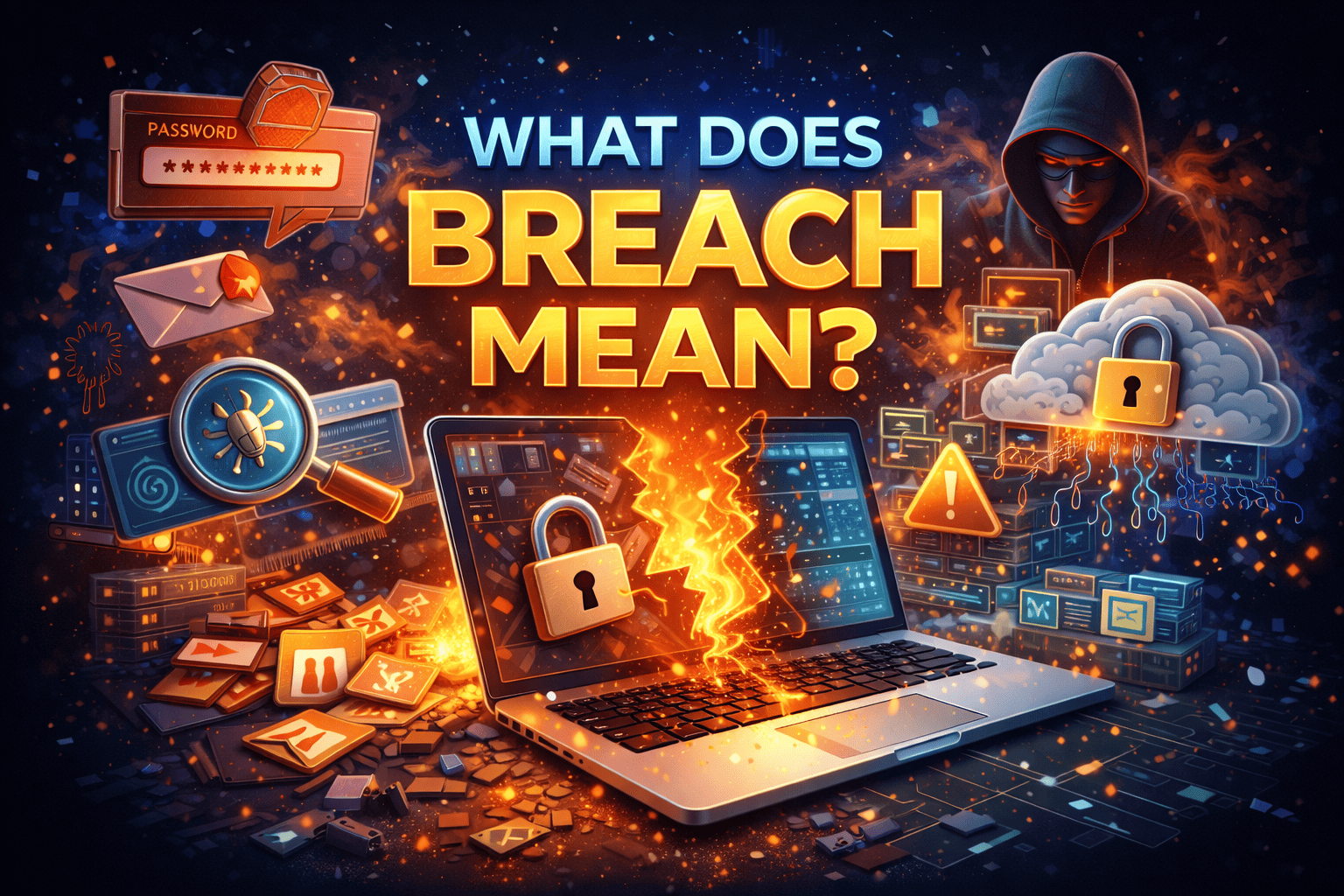
What does breach mean in today’s digital world—and why does it matter so much to businesses? Every week, headlines announce new data breaches affecting millions of users. From small companies to global enterprises, no organization is immune. Understanding what does breach mean is the first step toward preventing costly security incidents.
A breach is more than just a technical failure. It can expose sensitive data, disrupt operations, and permanently damage trust. In this guide, we’ll explain what does breach mean, how breaches happen, the different types of breaches, their business impact, and practical steps organizations can take to reduce risk.
What Does Breach Mean?
So, what does breach mean in cybersecurity? A breach occurs when an unauthorized individual gains access to protected systems, networks, or data. This access bypasses security controls and exposes information that should remain private.
A breach can involve:
-
Data theft
-
Unauthorized system access
-
Exposure of confidential information
-
Disruption of services
In cybersecurity terms, a breach is not just an attempted attack—it is a successful compromise. Understanding this distinction is critical for risk management and response planning.
Why Understanding What Does Breach Mean Is Important
Many organizations confuse breaches with threats or vulnerabilities. Knowing what does breach mean helps teams respond correctly and avoid costly mistakes.
Understanding breaches matters because:
-
Breaches trigger legal and regulatory obligations
-
They often lead to financial losses
-
They damage brand reputation
-
They expose customers and partners to risk
When leadership understands breach implications, security becomes a strategic priority rather than an afterthought.
Breach vs Attack vs Incident: Key Differences
To fully grasp what does breach mean, it’s important to clarify related terms.
Cyber Attack
An attack is an attempt to compromise systems. Not all attacks succeed.
Security Incident
An incident is any suspicious or malicious activity that may impact security.
Data Breach
A breach occurs when an attack successfully compromises data or systems.
In short, every breach is an incident, but not every incident is a breach.
Types of Security Breaches
Breaches come in many forms. Understanding these types helps organizations strengthen defenses.
1. Data Breach
A data breach occurs when sensitive information is accessed or disclosed without authorization.
Common data types exposed include:
-
Personal information (PII)
-
Financial records
-
Login credentials
-
Health data
Data breaches often lead to identity theft and regulatory penalties.
2. Network Breach
A network breach happens when attackers gain unauthorized access to internal networks.
This can allow attackers to:
-
Move laterally across systems
-
Deploy malware
-
Monitor traffic
-
Steal data over time
Network breaches are particularly dangerous because they often go undetected for long periods.
3. System Breach
A system breach involves unauthorized access to servers, endpoints, or cloud workloads.
Attackers may exploit:
-
Unpatched vulnerabilities
-
Weak credentials
-
Misconfigurations
Once inside, attackers can escalate privileges and maintain persistence.
4. Insider Breach
Not all breaches come from external attackers.
Insider breaches occur when employees or contractors misuse access—either maliciously or accidentally.
These breaches are difficult to detect because insiders often have legitimate access.
Common Causes of Security Breaches
To understand what does breach mean, you must also understand how breaches happen.
Leading Causes of Breaches
-
Weak or reused passwords
-
Phishing attacks
-
Misconfigured cloud services
-
Unpatched software
-
Excessive user privileges
-
Lack of monitoring
Most breaches are preventable with basic security hygiene and visibility.
Real-World Examples of Security Breaches
High-profile breaches show how damaging these incidents can be.
Common Breach Scenarios
-
Phishing emails leading to credential theft
-
Ransomware encrypting critical systems
-
Cloud storage exposed to the internet
-
Third-party vendor compromise
These examples reinforce why understanding what does breach mean is essential for decision-makers.
The Business Impact of a Security Breach
A breach affects far more than IT systems.
Financial Impact
-
Incident response costs
-
Legal fees and fines
-
Ransom payments
-
Lost revenue
Operational Impact
-
Downtime
-
Disrupted services
-
Loss of productivity
Reputational Impact
-
Customer churn
-
Loss of trust
-
Brand damage
For executives, breaches represent material business risk.
Legal and Regulatory Consequences of Breaches
Once a breach occurs, organizations often face regulatory obligations.
Common Regulations
-
GDPR
-
HIPAA
-
PCI DSS
-
SOC 2
-
State data protection laws
Failure to respond properly can result in severe penalties. This is why knowing what does breach mean from a legal perspective is critical.
How Long Breaches Go Undetected
One of the most alarming breach facts is detection time.
Studies consistently show:
-
Breaches can remain undetected for months
-
Attackers often move laterally before stealing data
-
The longer a breach persists, the greater the damage
Early detection dramatically reduces breach impact.
How to Identify a Security Breach
Organizations must watch for warning signs.
Common Breach Indicators
-
Unusual login activity
-
Unexpected data transfers
-
Disabled security tools
-
New admin accounts
-
Abnormal network traffic
Continuous monitoring is essential for early detection.
What To Do After a Breach Occurs
Knowing what does breach mean also includes knowing how to respond.
Immediate Steps After a Breach
-
Contain the breach
-
Isolate affected systems
-
Preserve forensic evidence
-
Notify internal stakeholders
-
Engage incident response teams
Speed and coordination are critical during breach response.
Preventing Security Breaches: Best Practices
While no organization can eliminate all risk, strong controls reduce breach likelihood.
Breach Prevention Best Practices
-
Enforce multi-factor authentication (MFA)
-
Apply least-privilege access
-
Patch systems regularly
-
Monitor endpoints continuously
-
Train employees on phishing
-
Secure cloud configurations
Prevention is far less costly than recovery.
Role of Zero Trust in Preventing Breaches
Zero Trust security assumes breaches will happen—and designs controls accordingly.
Zero Trust principles include:
-
Never trust by default
-
Verify every access request
-
Limit lateral movement
-
Monitor continuously
Zero Trust significantly reduces breach impact.
Breach Detection vs Breach Prevention
Both are essential.
| Prevention | Detection |
|---|---|
| Blocks known threats | Finds unknown threats |
| Reduces attack surface | Limits dwell time |
| Prevents misconfigurations | Identifies compromise |
A balanced strategy addresses both sides.
Breaches in Cloud and Remote Work Environments
Modern environments introduce new breach risks.
Common Cloud Breach Causes
-
Publicly exposed storage
-
Weak identity controls
-
Insecure APIs
Remote work expands the attack surface, making endpoint security critical.
Measuring Breach Risk
Organizations should quantify breach risk to guide investment.
Key Metrics
-
Mean time to detect (MTTD)
-
Mean time to respond (MTTR)
-
Number of incidents
-
Breach impact estimates
Metrics turn cybersecurity into a business discussion.
The Future of Security Breaches
Breaches will continue to evolve.
Emerging Trends
-
AI-driven attacks
-
Supply chain breaches
-
Identity-based compromise
-
Faster ransomware execution
Organizations must assume breaches will occur and prepare accordingly.
Frequently Asked Questions (FAQs)
1. What does breach mean in cybersecurity?
A breach means unauthorized access to systems, networks, or data resulting in exposure or compromise.
2. Is a breach the same as a cyber attack?
No. An attack is an attempt, while a breach is a successful compromise.
3. How serious is a data breach?
Data breaches can cause financial loss, legal penalties, and reputational damage.
4. Can small businesses experience breaches?
Yes. Small businesses are frequent targets due to limited security controls.
5. How can organizations reduce breach risk?
By enforcing strong access controls, monitoring continuously, and training employees.
Final Thoughts: Why Understanding What Does Breach Mean Matters
Cybersecurity breaches are no longer rare events—they are inevitable risks in a digital economy. Understanding what does breach mean empowers organizations to prepare, detect threats early, and respond effectively.
For IT leaders and executives, breach awareness is not about fear—it’s about readiness, resilience, and informed decision-making.
See Breaches Before They Become Disasters
Early detection and prevention are critical to stopping breaches before damage spreads. If you want real-time visibility, zero-trust protection, and rapid response capabilities:
👉 See how Xcitium helps stop breaches early
Request a Demo