What Is SQL Injection? Understanding One of the Most Dangerous Web Vulnerabilities
Updated on August 1, 2025, by Xcitium
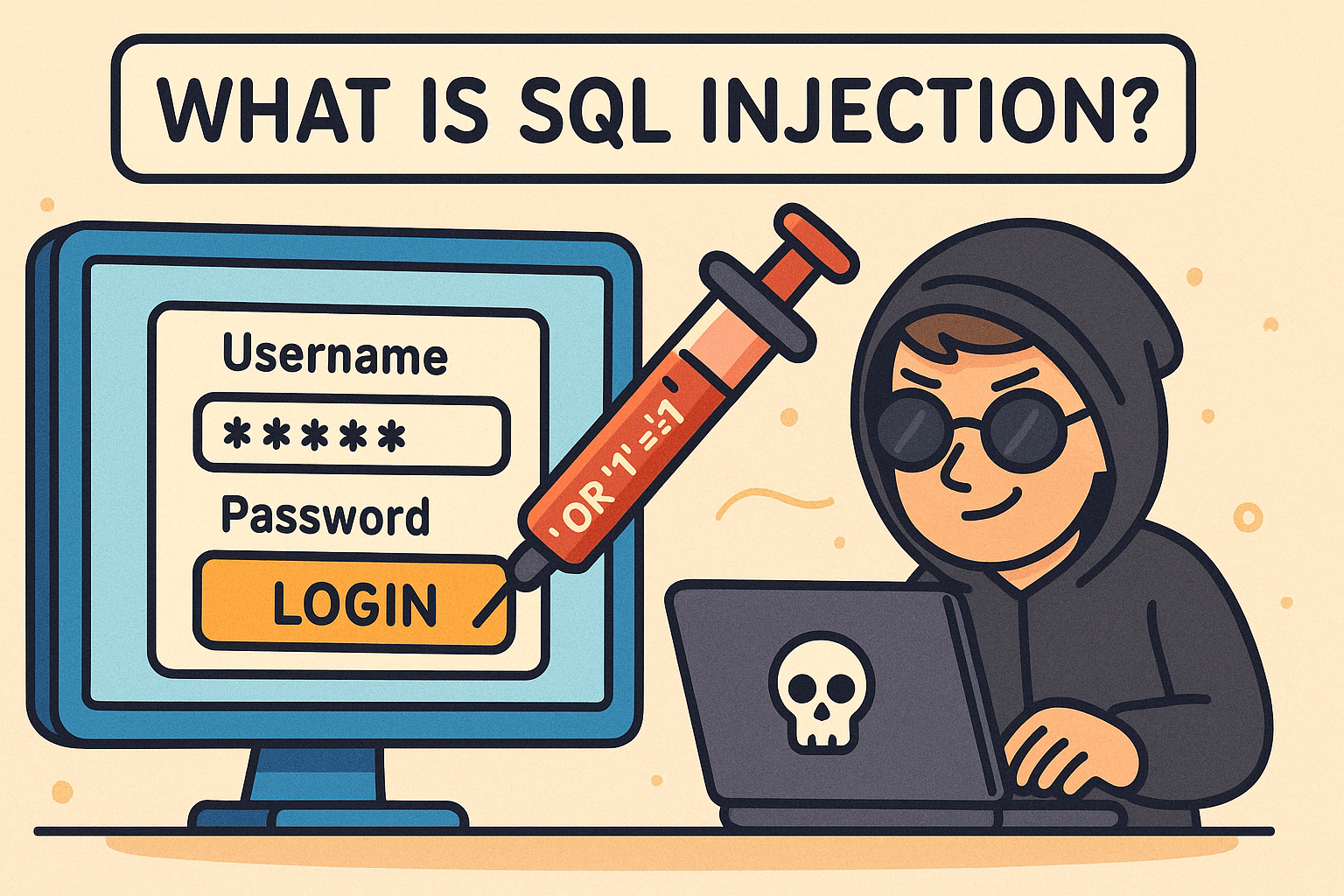
Have you ever wondered how a hacker could manipulate a website to access confidential data—without needing a password? That’s the power of SQL injection.
SQL injection (SQLi) is one of the oldest and most dangerous web application vulnerabilities. It targets web forms and URL parameters to manipulate backend databases using malicious SQL queries. If left unchecked, it can expose user data, credentials, and sensitive corporate information—and in worst cases, grant administrative access to the entire system.
This blog will help you understand what SQL injection is, its common types, examples, and proven methods of prevention. If you’re in cybersecurity or IT management, this is one vulnerability you can’t afford to ignore.
🧠 What Is SQL Injection?
SQL Injection is a code injection technique that exploits a vulnerability in an application’s software by inserting or “injecting” malicious SQL queries into input fields. These queries are then executed by the backend SQL database, often resulting in unauthorized data access, data manipulation, or even full system compromise.
How It Works:
A typical web app query might look like:
SELECT * FROM users WHERE username = ‘admin’ AND password = ‘password123’;
A hacker might input:
‘ OR ‘1’=’1
Turning the query into:
SELECT * FROM users WHERE username = ” OR ‘1’=’1′;
This returns all users, bypassing authentication.
🚨 SQL Injection Attack Example
Let’s take a real-world scenario.
Example:
A login form takes input and constructs a SQL query like this:
SELECT * FROM users WHERE username = ‘user’ AND password = ‘pass’;
Malicious Input:
‘ OR ‘1’=’1
Injected Query:
SELECT * FROM users WHERE username = ” OR ‘1’=’1′ AND password = ”;
Result: Access granted without valid credentials.
Impact:
- Unauthorized login
- Data leakage
- Admin access
- Full database dump
🧬 Types of SQL Injection
There are several forms of SQLi, and each one presents unique challenges.
1. In-band SQLi
- Most common
- Uses the same communication channel to launch and gather results
- Includes Error-based and Union-based SQLi
2. Inferential SQLi (Blind SQLi)
- No data is returned directly
- Relies on response behavior to infer data (true/false)
- Includes Boolean-based and Time-based SQLi
3. Out-of-band SQLi
- Uses a different channel (e.g., HTTP requests) for delivering results
- Often used when in-band and inferential are not viable
🔍 SQL Injection Vulnerabilities: Where It Happens
SQL injection can target various parts of your web application:
- Login forms
- Search bars
- URL parameters
- Cookies
- HTTP headers
- API requests
High-risk applications:
- E-commerce sites
- Financial platforms
- CRM/ERP software
- Legacy apps with poorly sanitized input
🛡 Preventing SQL Injection: Best Practices
To protect your systems, use these proactive strategies:
1. Use Prepared Statements (Parameterized Queries)
cursor.execute(“SELECT * FROM users WHERE username = ? AND password = ?”, (user, pass))
2. Stored Procedures
Avoid building SQL statements dynamically.
3. Input Validation & Escaping
Reject or sanitize unexpected inputs using allow-lists.
4. Use ORM Frameworks
Object-relational mappers like SQLAlchemy, Hibernate, etc., reduce direct query manipulation.
5. Implement Web Application Firewalls (WAF)
WAFs can detect and block SQLi patterns before they reach the server.
6. Conduct Regular Security Testing
Use static code analysis and automated tools like:
- OWASP ZAP
- SQLMap
- Burp Suite
🧰 SQL Injection and Cybersecurity Compliance
Preventing SQL injection is crucial for:
- GDPR
- HIPAA
- PCI DSS
- ISO 27001
Failure to secure web apps against SQLi can result in massive fines, reputational damage, and legal action.
✅ How Xcitium Can Help
Xcitium’s advanced endpoint protection and containment technologies can detect and neutralize SQL injection threats in real time—even if traditional tools miss them.
❓ FAQ: SQL Injection Explained
1. What is SQL injection in simple terms?
It’s when a hacker tricks your database into executing malicious commands by entering crafted input into a web form or URL.
2. How can I detect SQL injection vulnerabilities?
Use tools like OWASP ZAP, SQLMap, or perform manual code reviews of database interactions.
3. Can firewalls block SQL injection?
Yes, Web Application Firewalls (WAFs) can block many SQLi attacks, but should be combined with secure coding practices.
4. Is SQL injection still a problem today?
Absolutely. Despite being an old vulnerability, SQLi remains one of the most exploited bugs, especially in legacy and poorly maintained systems.
5. What’s the difference between SQLi and XSS?
- SQLi targets databases
- XSS (Cross-site scripting) targets users via browser-side scripts
🚀 Conclusion: Stay One Step Ahead of SQL Injection
SQL injection might sound technical, but its damage is very real. Whether it’s bypassing login screens, exposing sensitive records, or taking down entire systems, SQLi represents a serious threat.
By understanding what SQL injection is, implementing best practices, and leveraging proactive cybersecurity solutions, organizations can drastically reduce their risk surface.
👉 Don’t wait until it’s too late. Request a demo from Xcitium to see how our threat prevention platform helps you stay secure from SQL injection and other advanced cyber threats.