What is PII Data? A Complete Guide for Businesses and Cybersecurity Professionals
Updated on August 28, 2025, by Xcitium
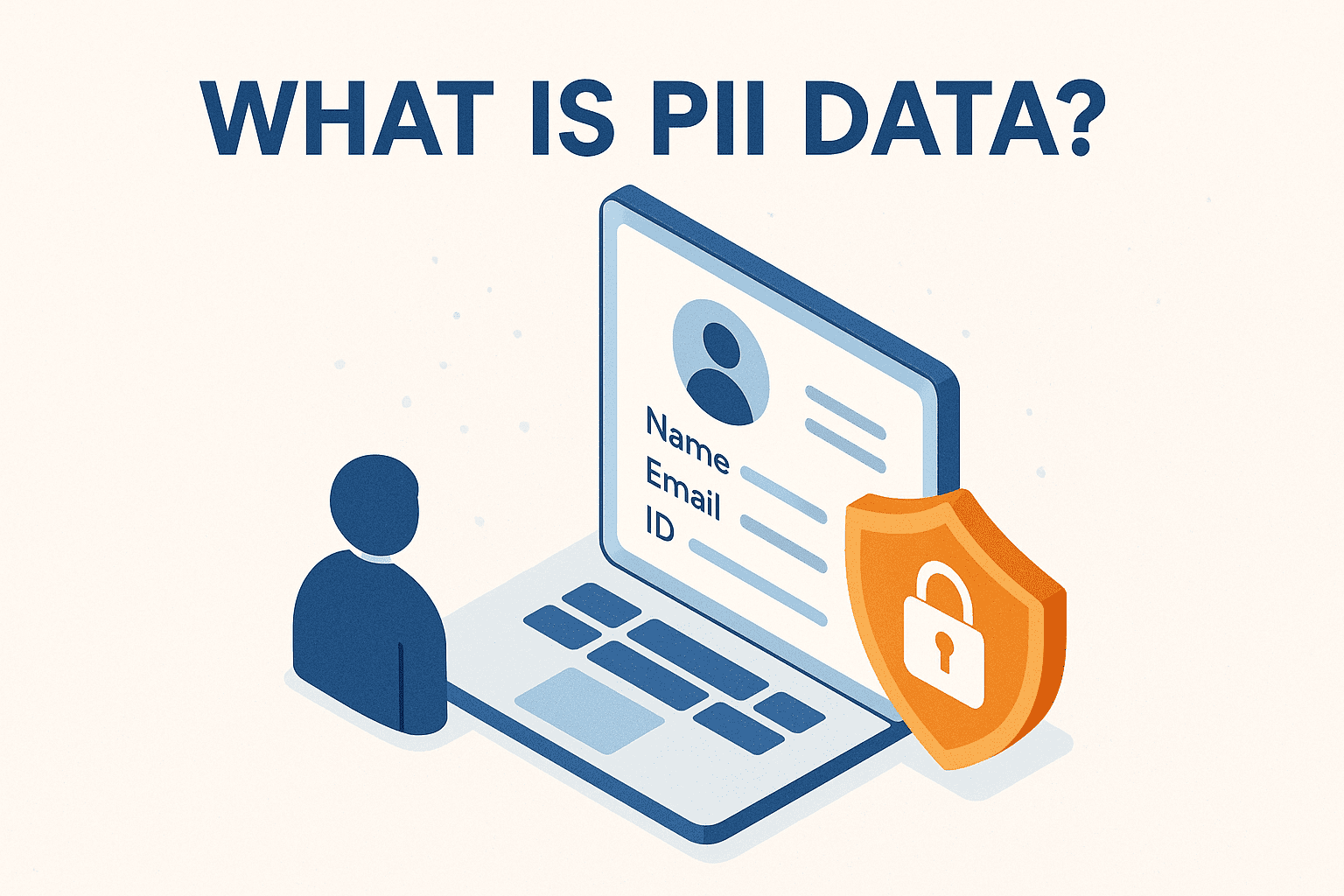
Have you ever wondered why hackers target personal details like emails, phone numbers, or social security numbers? These are forms of PII data, short for Personally Identifiable Information. In today’s digital economy, protecting PII isn’t just a legal requirement—it’s a trust factor between businesses and customers.
In this guide, we’ll explore what is PII data, why it matters for cybersecurity, and how IT managers, CEOs, and security teams can safeguard it.
What is PII Data?
PII (Personally Identifiable Information) refers to any information that can be used to identify a specific individual. This can include direct identifiers such as names and social security numbers, or indirect identifiers like IP addresses and login credentials.
PII is often categorized into two types:
- Sensitive PII – Examples: Social security numbers, financial data, passport numbers.
- Non-sensitive PII – Examples: Name, email address, zip code (when used alone).
Examples of PII Data
To better understand, let’s break it down:
- Basic Identifiers: Full name, date of birth, home address.
- Government-issued IDs: Social Security Number, driver’s license, passport.
- Financial Information: Bank account numbers, credit card details, tax info.
- Online Identifiers: IP addresses, login IDs, biometric data.
- Workplace Data: Employee IDs, company email, HR records.
Why Protecting PII Data is Important
Failing to protect PII can lead to:
- Data Breaches – Sensitive records being stolen and sold on the dark web.
- Identity Theft – Criminals using PII to commit fraud.
- Regulatory Fines – Non-compliance with GDPR, HIPAA, or CCPA can cost millions.
- Loss of Customer Trust – Reputation damage and business disruption.
How Cybercriminals Exploit PII Data
Cyber attackers use stolen PII in many ways:
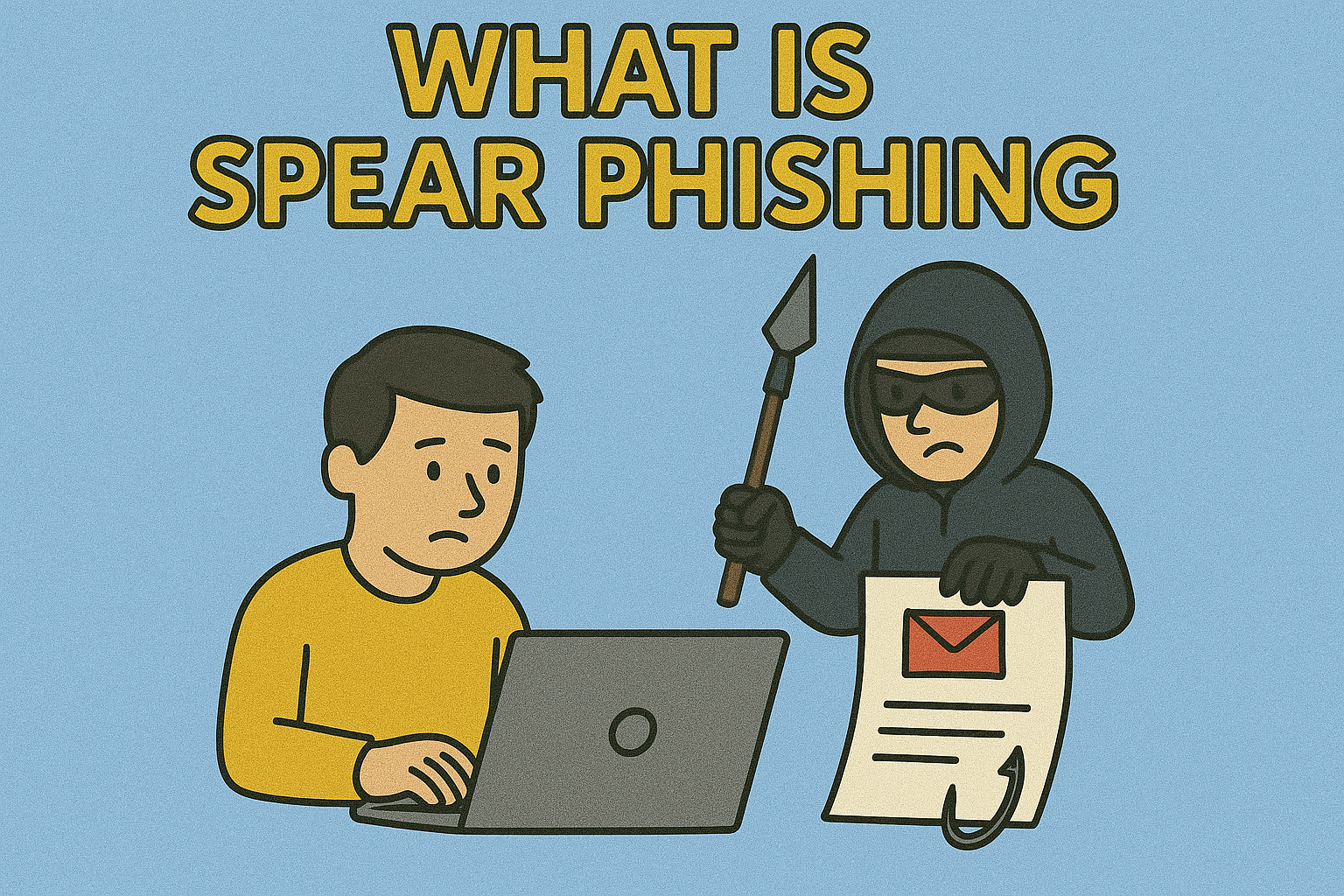
- Phishing Attacks – Crafting targeted scams using known information.
- Account Takeovers – Using stolen credentials to access systems.
- Financial Fraud – Unauthorized credit card use or fake loan applications.
- Corporate Espionage – Leveraging employee PII to breach companies.
Best Practices to Protect PII Data
Here’s how organizations can safeguard PII:
- Data Encryption – Encrypt sensitive records in transit and at rest.
- Access Control – Restrict data access to only authorized users.
- Regular Audits – Monitor and log access to critical databases.
- Employee Training – Educate staff on phishing, malware, and safe data handling.
- Multi-Factor Authentication (MFA) – Add extra security for logins.
- Data Minimization – Collect only the data you absolutely need.
PII and Compliance Regulations
Several global laws regulate PII usage:
- GDPR (General Data Protection Regulation) – Protects EU citizens’ data.
- CCPA (California Consumer Privacy Act) – U.S.-based data protection law.
- HIPAA (Health Insurance Portability and Accountability Act) – Covers health-related PII.
- PCI DSS (Payment Card Industry Data Security Standard) – Protects payment data.
For businesses, staying compliant is non-negotiable.
The Role of Cybersecurity in PII Protection
Modern endpoint protection services and advanced monitoring systems are crucial. Cybersecurity leaders rely on AI-driven tools to detect unusual behavior, prevent unauthorized access, and respond to threats in real-time.
Companies like Xcitium provide advanced endpoint and network defense solutions to help safeguard sensitive data and meet compliance requirements.
Frequently Asked Questions (FAQ)
- What does PII stand for?
PII stands for Personally Identifiable Information—any data that can identify a person. - Is an email address considered PII?
Yes. An email alone can be PII, and when combined with other data, it becomes sensitive. - What is the difference between PII and sensitive data?
Sensitive PII (like SSNs or bank details) poses higher risks, while non-sensitive PII (like names) becomes risky when combined. - How do hackers use stolen PII?
They commit fraud, identity theft, phishing, and corporate breaches. - How can companies protect PII data?
By encrypting data, enforcing access control, conducting audits, and training employees.
Conclusion: Safeguarding PII is Everyone’s Responsibility
Understanding what PII data is and how it impacts business security is critical in today’s digital-first environment. Protecting personal data helps organizations avoid costly fines, reputational damage, and customer trust issues.
Ready to Strengthen Your Data Security?
Protecting PII data requires advanced tools and proactive strategies.
👉 Request a free demo with Xcitium to explore how our endpoint protection and cybersecurity solutions can help your organization stay safe.