What Is a TIFF File? A Complete Guide for IT and Business Leaders
Updated on October 8, 2025, by Xcitium
Have you ever received an unfamiliar file format and wondered how to open it—or if it’s even safe? For businesses dealing with digital imaging, design, or data archiving, file formats directly affect efficiency, security, and compatibility. One format that often raises questions is the TIFF file.
Introduction: Why File Formats Still Matter
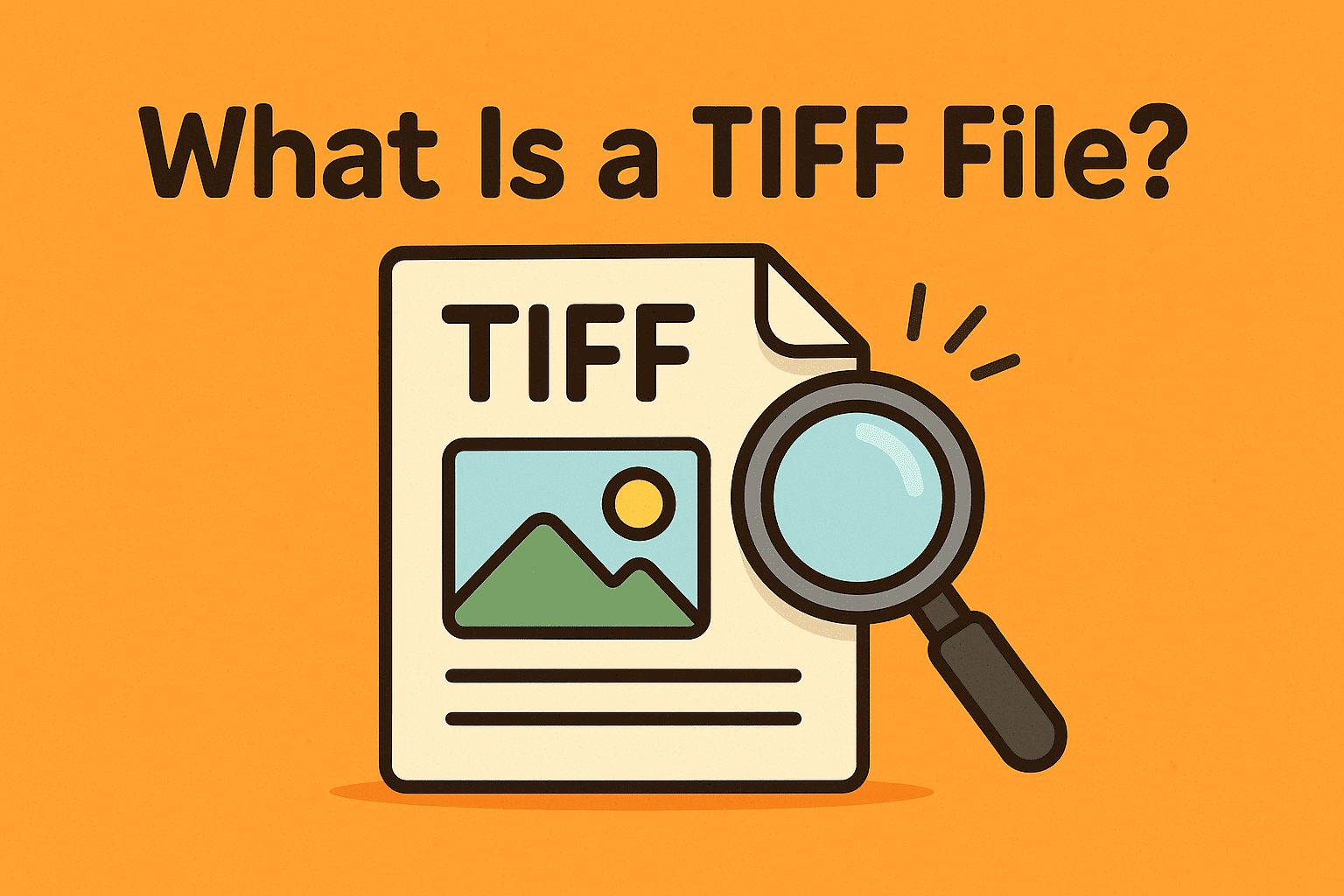
So, what is a TIFF file? TIFF, which stands for Tagged Image File Format, is a flexible, high-quality image format widely used in industries like publishing, design, and medical imaging. For IT managers, cybersecurity professionals, and CEOs, understanding TIFF is essential not just for productivity but also for data security, compliance, and interoperability.
What Is a TIFF File?
A TIFF file is an image format developed by Aldus Corporation (later acquired by Adobe). It is designed to store raster graphics and supports both lossless and lossy compression.
Key Characteristics of TIFF Files:
-
High Image Quality – Maintains details without compression loss.
-
Flexible Compression – Supports LZW, JPEG, and other methods.
-
Metadata Support – Stores tags, color profiles, and more.
-
Large File Sizes – Typically bigger than JPEGs or PNGs.
-
Cross-Platform Compatibility – Works on Windows, macOS, and Linux.
👉 In short: A TIFF file is the “gold standard” for high-quality image storage and editing.
Why Businesses Use TIFF Files
TIFF files remain relevant in professional and enterprise contexts where quality and reliability matter.
Common Use Cases:
-
Publishing and Printing – Ideal for print media due to detail preservation.
-
Medical Imaging – X-rays, MRIs, and ultrasounds are often stored in TIFF.
-
Archiving – Preferred by governments and institutions for long-term storage.
-
Design and Photography – Used when editing requires lossless quality.
-
Scientific Research – High-resolution imagery for analysis.
For organizations, TIFF ensures accuracy, compliance, and durability in handling digital content.
TIFF vs Other File Formats
When considering what is a TIFF file, it helps to compare it with alternatives:
| Feature | TIFF | JPEG | PNG | |
|---|---|---|---|---|
| Compression | Lossless & lossy options | Lossy only | Lossless | Lossless (text/images) |
| File Size | Large | Small | Medium | Medium to Large |
| Quality | Very high | Reduced with compression | High | High |
| Best Use Case | Printing, archiving, medical | Web photos, casual sharing | Web graphics, transparency | Documents, sharing text+img |
👉 Verdict: TIFF is the format of choice when quality trumps file size.
Pros and Cons of TIFF Files
Like any technology, TIFF comes with strengths and weaknesses.
Advantages:
-
Exceptional image quality.
-
Supports multiple layers and pages.
-
Flexible compression options.
-
Rich metadata storage.
Disadvantages:
-
Very large file sizes.
-
Not ideal for web use due to slow loading.
-
Requires specialized software for full functionality.
-
Can be misused for malware embedding if not secured.
Security Considerations of TIFF Files
From a cybersecurity standpoint, TIFF files require caution.
-
Malware Risks – Attackers can embed malicious code in TIFFs.
-
Phishing Attachments – Used in email scams to bypass filters.
-
Exploitable Vulnerabilities – Older TIFF-handling libraries may be targeted.
-
Compliance Risks – Storing sensitive data in TIFFs without encryption can violate regulations.
👉 IT managers should enforce scanning, encryption, and secure storage policies for TIFF files.
Best Practices for Managing TIFF Files
To ensure both efficiency and safety, organizations should adopt these practices:
-
Use Secure File Storage – Employ encryption for sensitive TIFF archives.
-
Scan Attachments – Always scan TIFFs received via email.
-
Convert When Appropriate – Use JPEG or PNG for web publishing.
-
Leverage EDR Tools – Detect abnormal file activity in enterprise environments.
-
Train Employees – Raise awareness of suspicious file attachments.
How to Open a TIFF File
Most operating systems support TIFF, but some require additional tools for editing.
-
Windows & macOS – Built-in viewers support basic TIFF viewing.
-
Image Editors – Adobe Photoshop, GIMP, CorelDRAW.
-
Medical/Scientific Tools – Specialized viewers like ImageJ.
-
Conversion Tools – Convert TIFF to JPEG/PNG for easier sharing.
The Future of TIFF Files
Even in an era of cloud storage and advanced formats, TIFF remains relevant.
-
AI-Powered Compression – Smarter methods to shrink file sizes without quality loss.
-
Cloud Integration – Easier handling of large files in enterprise workflows.
-
Security Enhancements – Better metadata handling and encryption options.
-
Industry-Specific Standards – Continued adoption in healthcare, law, and government.
For IT leaders, TIFF will continue to be a specialized but critical format for specific use cases.
FAQs: What Is a TIFF File?
1. What is a TIFF file used for?
It’s used for high-quality image storage, especially in printing, archiving, and medical imaging.
2. Is TIFF better than JPEG?
TIFF provides higher quality and lossless options, but JPEG is smaller and better for the web.
3. Can TIFF files contain viruses?
Yes, attackers can embed malware, so all TIFF files should be scanned before use.
4. How do I convert a TIFF file?
You can use software like Photoshop, GIMP, or online converters to change TIFF into JPEG, PNG, or PDF.
5. Are TIFF files still relevant in 2025?
Yes, especially in industries requiring precision, security, and long-term archiving.
Conclusion: Why TIFF Files Still Matter
So, what is a TIFF file? It’s a high-quality, versatile image format that plays a vital role in publishing, healthcare, research, and secure archiving. While large in size and sometimes challenging for web use, TIFF files remain a cornerstone for professionals who cannot compromise on quality.
For IT managers, CEOs, and cybersecurity leaders, understanding TIFF is not just about file handling—it’s about balancing usability, performance, and security in enterprise workflows.
👉 Ready to strengthen your digital security? Request a Demo