What Is API Gateway? A Complete Guide for Security and IT Leaders 🚀
Updated on July 18, 2025, by Xcitium
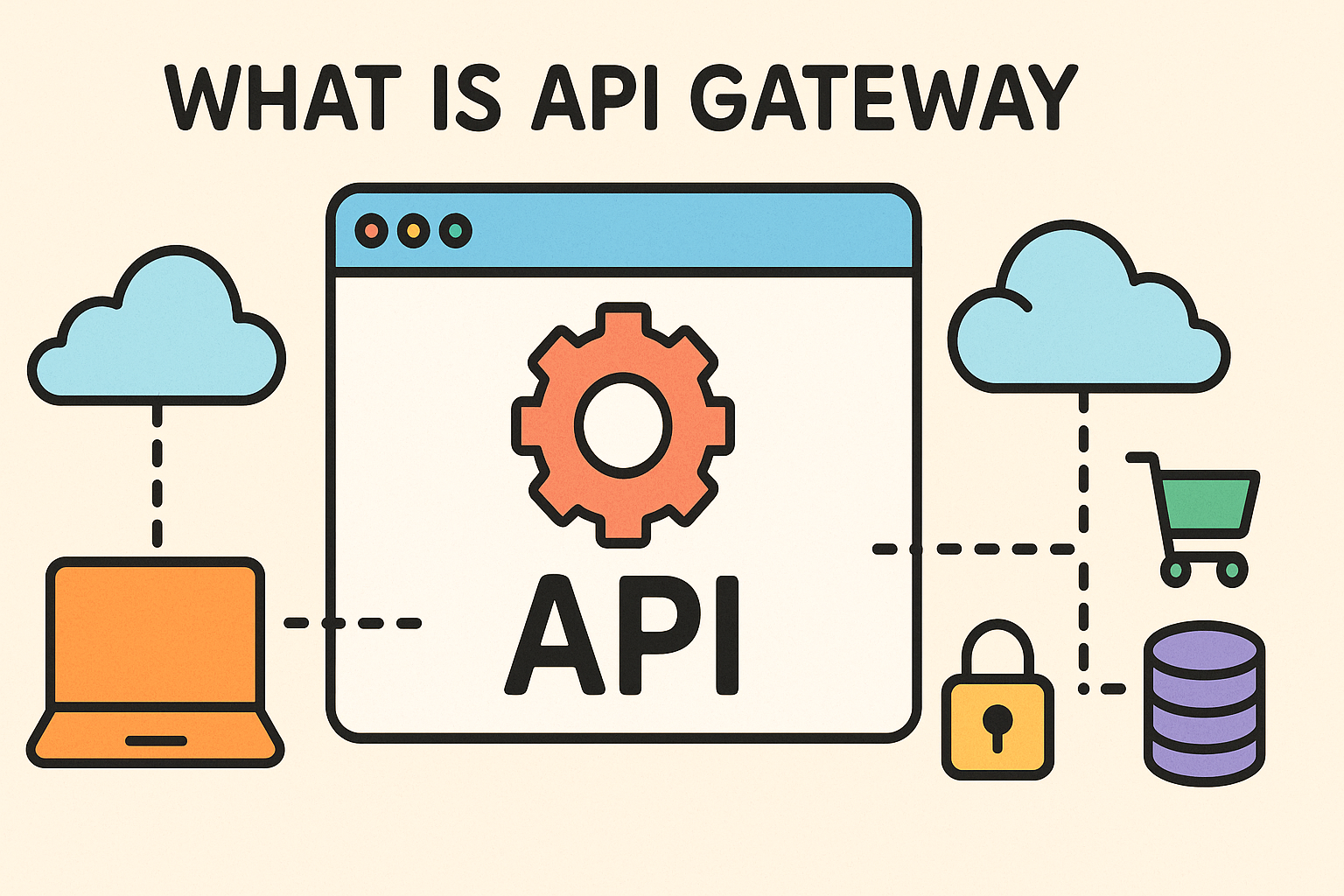
Ever wondered what is API gateway and why it’s suddenly everywhere in cloud discussions? In today’s digital-first world, businesses rely on secure, scalable interfaces—and API gateways are the front line. This guide dives into what is API gateway, its role in cloud systems, and how to choose the right API gateway tools.
Why API Gateways Matter (And Who Should Care)
- Shield sensitive data through authentication and throttling
- Centralize API traffic control and analytics
- Simplify microservices architecture
Every technical leader—especially those in cybersecurity and IT—must understand the role of API gateways to architect safer, more efficient systems.
The Definition: What Is API Gateway?
An API gateway is a server that acts as a single entry point into a system of microservices. It handles:
- Routing client requests
- Protocol transformations (e.g., REST to gRPC)
- Security controls, like OAuth and rate limiting
- Monitoring and logging
Think of it as the airport security of your network—inspecting, filtering, and forwarding traffic accordingly.
Key Features of Modern API Gateways
Here are the core capabilities expected of any robust API gateway:
- Authentication & Authorization – Validates tokens, integrates with identity providers
- Rate Limiting & Throttling – Guards against API abuse
- Traffic Routing – Directs requests to the appropriate microservice
- Protocol Translation – Converts between protocols (JSON ↔ XML or REST ↔ gRPC)
- Analytics & Logging – Tracks usage, monitors health
- Caching – Reduces load by storing frequent responses
- Resilience Features – Supports circuit breakers and retries
What Is API Gateway Full Form & AWS Example
| Term | Description |
| API Gateway | Short for Application Programming Interface Gateway |
| AWS Example | Amazon API Gateway offers managed, scalable API hosting |
What is API gateway in AWS? It’s a fully-managed service that scales automatically, integrates with Lambda or EC2, and supports REST and WebSocket APIs.
API Gateway Example in Action
Here’s a typical workflow:
- Client requests GET /orders
- API gateway authenticates the token (OAuth/JWT)
- Routes to order-service microservice
- Enforces rate limits and caches duplicates
- Logs the request for analytics
This saves developers from embedding security and traffic logic in every microservice.
API Gateway Tools & Products
Leading API gateway tools include:
- Kong – Open-source with plugins and enterprise support
- Tyk – Great analytics and control with hybrid deployment
- NGINX – High-performance, container-ready gateway
- AWS API Gateway – Fully managed with AWS integration
- Azure API Management – Ideal for Microsoft cloud environments
- Google Cloud Endpoints – Built on ESP with Istio compatibility
API Gateway vs. Service Mesh: What’s the Difference?
- API Gateway: Client-facing, secures external traffic
- Service Mesh: Internal traffic control, resilience & observability
Both can coexist: gateways for external entry and service meshes (like Istio) within clusters.
How to Choose the Right API Gateway
Consider:
- Deployment style: Cloud vs on-prem vs hybrid
- Performance needs: Low latency, high throughput
- Security features: Compliance, identity integration
- Analytics: Real-time logging and dashboards
- Cost: Open-source vs subscription-based options
Focus on integration with your stack and operational ease.
Best Practices for API Gateway Adoption
- Design endpoints carefully: Make them intuitive and versioned
- Secure at the gateway: Enforce HTTPS, JWT, OAuth
- Implement rate limiting: Protect against abuse and runs
- Use smart caching: Cache GET requests where appropriate
- Monitor usage: Use built-in metrics and alerts
Welcome to the Future of Secure APIs
API gateways are essential for security, scalability, and observability in modern architectures. Whether deploying a few endpoints or hundreds, using an enterprise-grade gateway elevates your system design.
Take Action Today
Want to strengthen your API posture with a secure gateway? Schedule a demo with Xcitium now: Request a Demo
FAQ
- What is API Gateway in AWS?
AWS API Gateway is a fully managed service that provides secure, scalable APIs with support for REST and WebSocket. - What is API gateway full form?
API Gateway stands for Application Programming Interface Gateway. - Can I build my own API gateway?
Yes, you can use proxies like NGINX or Envoy, but feature-rich commercial tools are often more secure and easier to maintain. - What’s the difference between API gateway and service mesh?
API gateways handle external traffic, while service meshes manage internal microservice-to-microservice communication. - Are there open-source API gateway tools?
Yes—popular examples include Kong and Tyk, which offer enterprise versions with vendor support.