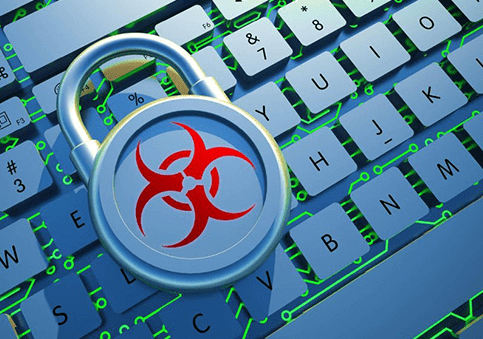
In today’s digital landscape, where cyber threats evolve rapidly, understanding antimalware is crucial. This comprehensive guide delves into what antimalware is, how it operates, and why it’s indispensable for safeguarding your digital assets.
Understanding Antimalware
Antimalware refers to software designed to detect, prevent, and eliminate malicious software—collectively known as malware—from computer systems and networks. Malware encompasses various threats, including viruses, worms, ransomware, spyware, adware, and rootkits. Antimalware solutions employ a combination of techniques to identify and neutralize these threats, ensuring the integrity and security of your digital environment.
How Antimalware Works
Antimalware software utilizes multiple detection methods to identify and mitigate threats:
- Signature-Based Detection
This traditional method involves scanning files for known malware signatures. While effective against established threats, it requires regular updates to recognize new malware variants.
- Heuristic Analysis
Heuristic techniques analyze the behavior of files and programs to identify suspicious activities, such as unauthorized system modifications or data exfiltration. This approach helps detect previously unknown or modified malware strains.
- Sandboxing
Sandboxing isolates and executes suspicious files in a controlled environment to observe their behavior without risking the host system. If malicious actions are detected, the software can prevent the file from affecting the actual system.
- Real-Time Protection
Modern antimalware solutions offer real-time monitoring, continuously scanning for threats and responding immediately to any detected malicious activity.
Key Features of Effective Antimalware Solutions
To combat sophisticated cyber threats, robust antimalware software should include:
- Cloud-Based Threat Intelligence: Access to up-to-date threat databases enhances detection accuracy.
- Fileless Malware Protection: Defends against malware that operates in memory without leaving traditional file traces.
- Integrated Firewall: Monitors and controls incoming and outgoing network traffic based on predetermined security rules.
- Multi-Platform Support: Ensures protection across various operating systems and devices.
Antimalware vs. Antivirus: Understanding the Difference
While both aim to protect against malicious software, antivirus software primarily targets known viruses using signature-based detection. Antimalware, however, offers a broader defense, encompassing various types of malware and employing advanced detection techniques like heuristics and sandboxing. comprehensive cybersecurity strategies often integrate both to provide layered protection. CISA
Why Antimalware Is Essential
With the increasing sophistication of cyberattacks, relying solely on traditional antivirus solutions is insufficient. Antimalware software addresses a wider range of threats, including zero-day exploits and advanced persistent threats (APTs). Implementing robust antimalware solutions is vital for:
- Protecting Sensitive Data: Safeguards personal and organizational information from unauthorized access.
- Ensuring System Integrity: Prevents malware from compromising system functionality and performance.
- Maintaining Business Continuity: Reduces downtime and financial losses associated with cyber incidents.
Choosing the Right Antimalware Solution
When selecting antimalware software, consider the following factors:
- Comprehensive Threat Coverage: Ability to detect and neutralize a wide array of malware types.
- Regular Updates: Frequent updates to threat databases and software components.
- User-Friendly Interface: Ease of use for both technical and non-technical users.
- Customer Support: Access to responsive and knowledgeable support services.
Xcitium’s antimalware solutions offer these features and more, providing robust protection tailored to modern cybersecurity needs.
Request Demo | Request Quote | Contact Us
Please give us a star rating based on your experience.

 (23 votes, average: 2.17 out of 5, rated)