What Is a Cyber Attack? Understanding the Threat and How to Stay Protected
Updated on July 4, 2025, by Xcitium
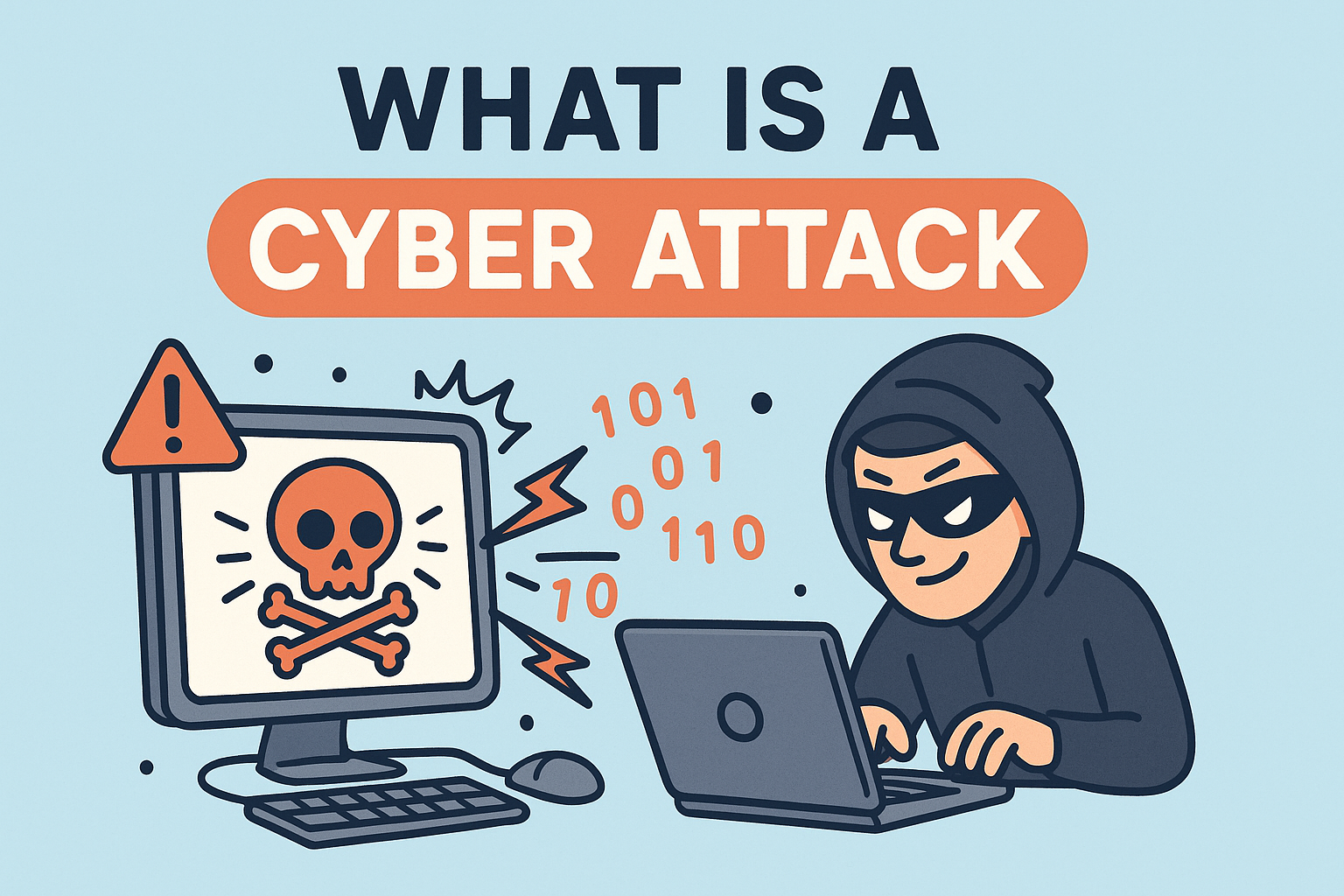
In today’s interconnected world, cyber attacks aren’t just headlines—they’re daily realities. Whether you’re a global enterprise, a growing startup, or a government agency, you’re a potential target. But what is a cyber attack, and why should business leaders, cybersecurity teams, and even everyday users care?
From crippling ransomware to subtle phishing campaigns, cyber attacks are on the rise, both in volume and complexity. In fact, global cybercrime costs are expected to reach $10.5 trillion annually by 2025. So, understanding what these attacks are—and how to stop them—is no longer optional.
What Is a Cyber Attack?
A cyber attack is a deliberate attempt by malicious individuals or groups to breach the information system of another individual or organization. The goal is to steal, alter, destroy, or exploit data, often for financial gain, political motives, or pure disruption.
In cybersecurity terms, a cyber attack represents any unauthorized access or action that compromises the confidentiality, integrity, or availability of data.
What Is a Cyber Attack in Cyber Security?
In cyber security, a cyber attack is defined as any offensive maneuver targeting computer networks, infrastructure, or devices. These attacks exploit vulnerabilities, using malware, phishing tactics, denial-of-service (DoS), or even insider threats.
🔐 Cybersecurity professionals use tools like firewalls, intrusion detection systems (IDS), and encryption to detect and defend against such attacks.
4 Types of Cyber Attacks You Should Know
Cyber threats come in various forms. Understanding the 4 primary types of cyber attacks is the first step in building a strong defense.
1. Malware Attacks
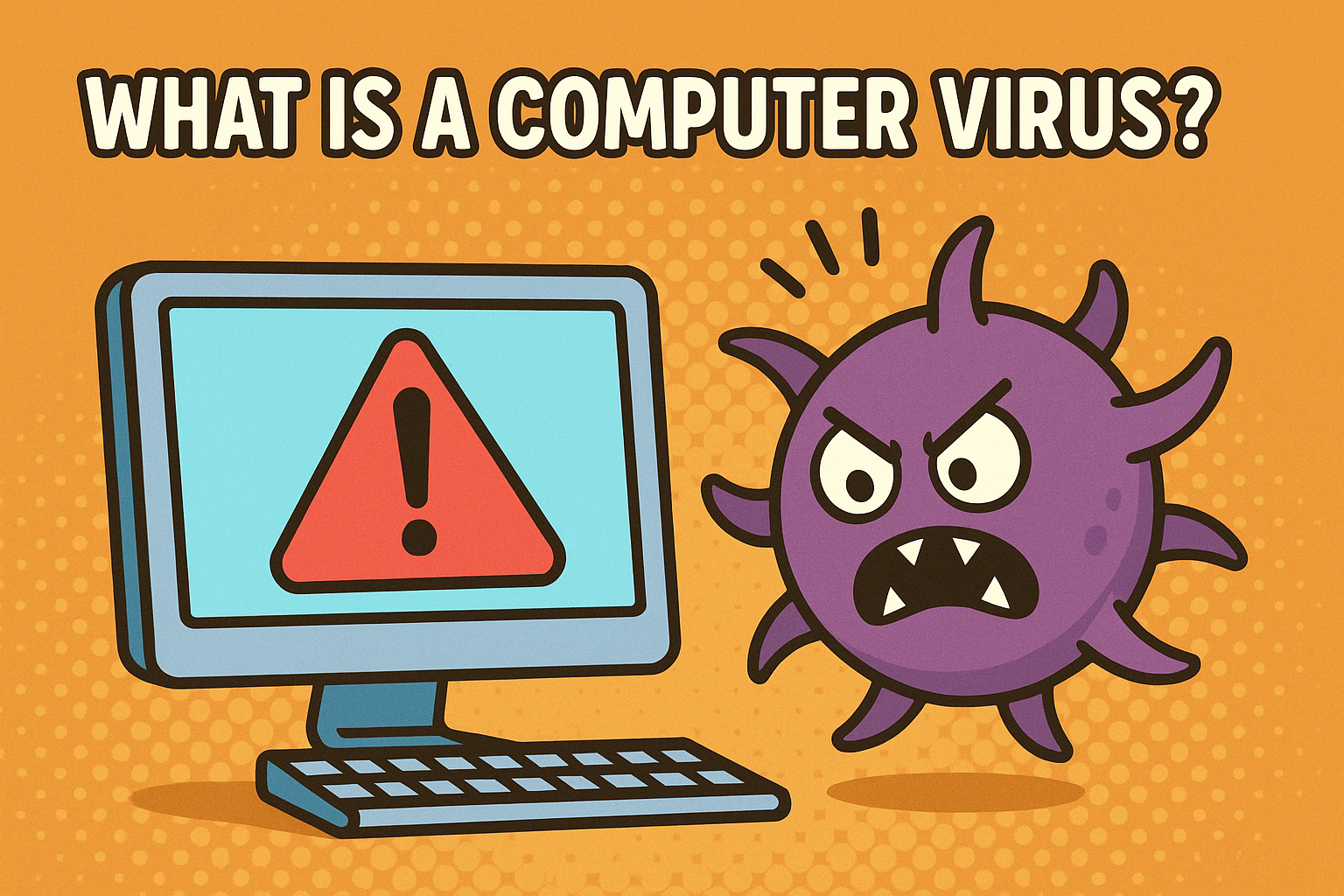
Malware includes viruses, worms, spyware, ransomware, and trojans. Once inside a system, it can steal or destroy data.
2. Phishing Attacks
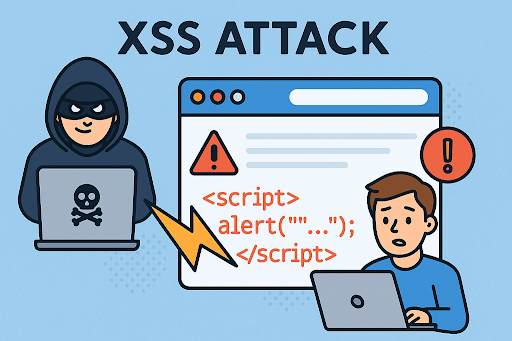
This social engineering tactic tricks users into revealing sensitive information via fake emails or websites.
3. Denial-of-Service (DoS) Attacks
Attackers flood systems or networks, rendering them unavailable to legitimate users—crippling operations.
4. Man-in-the-Middle (MitM) Attacks
Cybercriminals intercept communications between two parties to steal data or alter messages.
Cyber Attacks Examples
Some of the most damaging cyber attacks examples include:
- WannaCry Ransomware (2017): Infected over 200,000 computers across 150 countries.
- SolarWinds Supply Chain Attack (2020): Affected major U.S. government agencies and private firms.
- Equifax Data Breach (2017): Exposed personal data of 147 million consumers.
These examples show the far-reaching consequences of insufficient cybersecurity.
What Is a Cyber Crime?
While often used interchangeably, cyber crime refers to the illegal activity, whereas a cyber attack refers to the method or act used. Cyber crime includes identity theft, financial fraud, cyberbullying, and illegal data access.
🧑⚖️ Governments worldwide are strengthening laws to curb cyber crime and enhance digital protection.
What Is a Cyber Attack in War?
In the era of digital warfare, cyber attacks in war are now a legitimate weapon. Nation-states deploy advanced persistent threats (APTs) to infiltrate enemy infrastructure—often to sabotage, spy, or spread propaganda.
Examples include:
- Stuxnet (2010): Allegedly launched by the U.S. and Israel to damage Iran’s nuclear program.
- NotPetya (2017): Targeted Ukraine, later spreading globally with massive economic losses.
🌐 Cyber warfare is redefining conflict in the digital age.
Causes of Cyber Attack
Why do cyber attacks happen? Understanding their causes can help prevent them.
- Weak passwords or poor authentication
- Unpatched software vulnerabilities
- Social engineering (manipulating human error)
- Lack of employee training
- Remote access without VPN or firewalls
- Outdated antivirus and threat detection systems
🛠️ A proactive approach can drastically reduce attack risks.
How to Prevent Cyber Attacks
Staying protected requires a layered, proactive strategy. Here’s how to prevent cyber attacks:
✅ Strengthen Authentication
- Use strong, unique passwords
- Implement multi-factor authentication (MFA)
✅ Update & Patch Regularly
- Keep operating systems, browsers, and software up-to-date
✅ Educate Your Team
- Conduct phishing simulations
- Offer regular security training
✅ Deploy Cybersecurity Tools
- Firewalls, endpoint protection, EDR/XDR, and anti-malware
✅ Secure Your Network
- Use VPNs for remote access
- Monitor traffic with IDS/IPS systems
💡 Use security frameworks like NIST or ISO 27001 for enterprise-level protection.
Real-World Impact of Cyber Attacks
Cyber attacks aren’t just technical hiccups. They can lead to:
- 📉 Financial loss
- 🔒 Data breaches and identity theft
- 👎 Reputation damage
- ⚖️ Legal liabilities
- ⛔ Operational disruption
🔍 For IT managers and CEOs, the ROI of investing in cyber resilience is far greater than the cost of recovery after a breach.
FAQs About Cyber Attacks
1. What is a cyber attack in simple terms?
A cyber attack is when hackers try to access or damage your digital systems or data without permission.
2. What is the difference between cyber attack and cyber crime?
A cyber attack is the action (e.g., hacking), while cyber crime is the illegal intent behind it (e.g., stealing money or data).
3. How can companies prevent cyber attacks?
By implementing strong cybersecurity policies, using updated tools, training employees, and following best practices.
4. What are the top causes of cyber attacks?
Human error, weak passwords, outdated software, and unprotected networks.
5. Are cyber attacks used in warfare?
Yes, nations use cyber attacks to spy, sabotage, or destabilize rivals—a growing trend in modern warfare.
Final Thoughts: Stay One Step Ahead of Cyber Threats
So, what is a cyber attack? It’s not just a buzzword—it’s a critical risk that modern businesses, governments, and individuals must confront head-on. By recognizing threats, learning from real-world attacks, and applying prevention strategies, you safeguard your operations, your data, and your future.
Ready to Fortify Your Cyber Defenses?
🛡️ Don’t wait for a breach to act.
👉 Request your free demo with Xcitium now and secure your enterprise from evolving cyber threats.