What Is the PCI DSS? A Complete, Conversational Guide for Businesses in 2026
Updated on December 8, 2025, by Xcitium
If your business accepts credit or debit card payments, you’ve probably heard about PCI DSS—but what does it actually mean? And why is everyone from banks to payment processors so strict about it? Understanding what is the PCI DSS is essential for any organization that handles cardholder data, especially with cyberattacks and data breaches happening more often than ever.
In simple terms, PCI DSS is a set of security rules designed to keep payment information safe. But there’s a lot more to it—requirements, levels, compliance responsibilities, and serious consequences if you ignore it. Don’t worry—we’ll walk through everything in a friendly, easy-to-understand way.
What Is the PCI DSS? (Simple Explanation)
So—what is the PCI DSS?
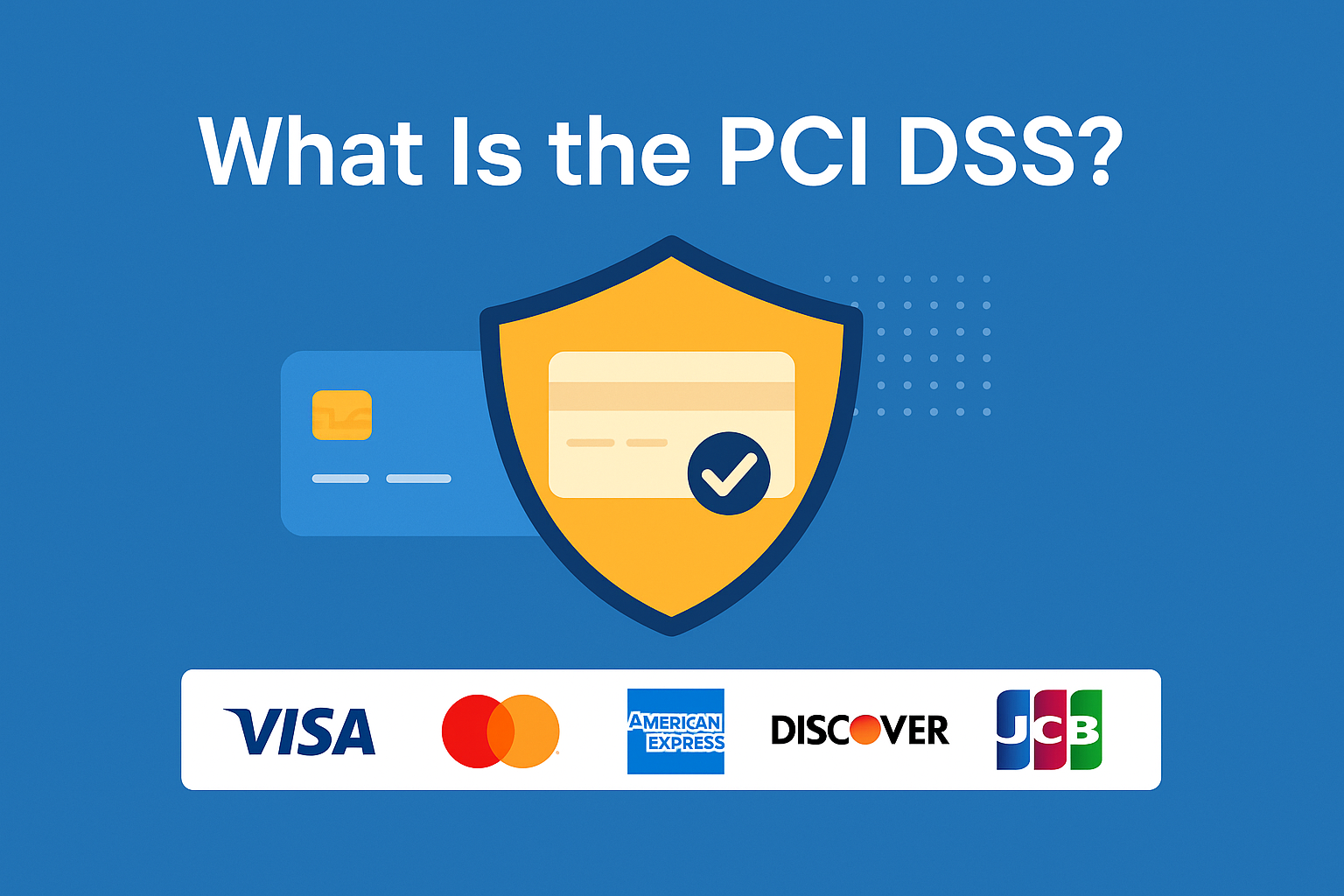
PCI DSS stands for Payment Card Industry Data Security Standard. It is a global set of rules created to ensure that all companies that store, process, or transmit cardholder data maintain a secure environment.
Think of PCI DSS as the “security rulebook” for handling credit and debit card information.
PCI DSS was created by:
-
Visa
-
Mastercard
-
American Express
-
Discover
-
JCB
These companies formed the PCI Security Standards Council (PCI SSC) to enforce these standards.
PCI DSS exists to prevent fraud, data theft, and major breaches that can expose sensitive financial information.
Why the PCI DSS Was Created
Card fraud has been around for decades—but the rise of online shopping dramatically increased the risks. Hackers started targeting retailers, restaurants, service companies, and any business using point-of-sale systems.
Massive breaches like Target, Home Depot, and countless smaller companies exposed millions of credit card numbers.
PCI DSS was created to stop this.
The goals of PCI DSS include:
-
Protecting consumers
-
Reducing fraud
-
Ensuring secure payment transactions
-
Establishing consistent standards globally
It’s not optional. If you handle card payments, PCI DSS applies to you.
Who Must Comply with PCI DSS?
A common misconception is that PCI DSS is only for large enterprises. Not true.
If your business accepts credit or debit cards in ANY form, you must comply.
This includes:
-
E-commerce stores
-
Retail stores
-
Restaurants
-
Medical offices
-
Gyms and salons
-
Subscription services
-
Nonprofits accepting donations
-
SaaS companies
-
Managed service providers
-
Payment processors
-
Call centers
Even small businesses processing just a few transactions are required to follow PCI DSS.
If you touch cardholder data—even indirectly—you must comply.
PCI DSS Levels Explained (Which One Are You?)
PCI DSS has four levels, based on transaction volume.
Level 1
Over 6 million transactions per year.
Requires annual onsite audit + penetration testing.
Level 2
1–6 million transactions.
Requires Self-Assessment Questionnaire (SAQ) + quarterly scans.
Level 3
20,000 to 1 million e-commerce transactions.
Requires SAQ + quarterly scans.
Level 4
Less than 20,000 e-commerce transactions (or fewer than 1 million total).
Requires SAQ + annual validation.
Most small businesses fall under Level 4, but compliance is still mandatory.
The 12 PCI DSS Requirements (Explained Simply)
PCI DSS is built around 12 security requirements grouped into six main goals.
Here they are—no jargon.
Goal 1: Build and Maintain a Secure Network
1. Install and maintain a firewall
Protect cardholder data from unauthorized access.
2. Don’t use vendor-supplied default passwords
“Admin123” or default logins are a hacker’s dream.
Goal 2: Protect Cardholder Data
3. Protect stored cardholder data
Encrypt it. Mask it. Minimize it. (Or don’t store it at all!)
4. Encrypt data during transmission
Use TLS/SSL to secure data sent over public networks.
Goal 3: Maintain a Vulnerability Management Program
5. Protect systems from malware
Install and update antivirus or EDR tools.
6. Develop secure systems & patch regularly
Outdated systems = open doors for hackers.
Goal 4: Implement Strong Access Control Measures
7. Restrict access to cardholder data
Give access only to those who absolutely need it.
8. Assign unique IDs to users
No shared logins. Everyone gets their own credentials.
9. Restrict physical access
Secure card readers, documents, and servers.
Goal 5: Monitor and Test Networks
10. Track and monitor all access to card data
Logs must be kept for audits and investigations.
11. Regularly test security systems
Vulnerability scans and penetration tests catch weaknesses early.
Goal 6: Maintain an Information Security Policy
12. Create and maintain a formal security policy
Train employees. Document processes. Review policies annually.
Benefits of PCI DSS Compliance
Many companies see PCI DSS as a burden—but it actually brings huge advantages.
1. Reduced Risk of Data Breaches
Compliance forces businesses to strengthen their security posture.
2. Customer Trust & Brand Reputation
Consumers prefer buying from businesses they trust.
3. Avoid Costly Penalties
Non-compliance fines range from $5,000 to $100,000 per month.
4. Lower Risk of Lawsuits
Breaches often lead to legal liability.
5. Improved Operational Efficiency
Security processes reduce risk and streamline workflows.
6. Competitive Advantage
PCI compliance is often required for partnerships and B2B contracts.
Common PCI DSS Challenges Businesses Face
Even with the best intentions, many companies struggle with PCI DSS. The biggest challenges include:
-
Misunderstanding scope
-
Not knowing which SAQ to use
-
Poor documentation
-
Lack of encryption
-
Missing logs or weak monitoring
-
Outdated software or POS systems
-
Employees falling for phishing
-
No endpoint protection
PCI DSS is achievable—but only with the right processes and tools.
Steps to Become PCI DSS Compliant
If you’re unsure where to start, follow this simple roadmap.
1. Determine Your PCI Level
This defines your reporting and validation requirements.
2. Identify Where Card Data Lives (Scope)
Understand all systems that store, process, or transmit data.
3. Complete the Correct SAQ
There are multiple types:
-
SAQ A (fully outsourced)
-
SAQ A-EP
-
SAQ B
-
SAQ C
-
SAQ D (most complex)
4. Perform a Vulnerability Scan
Required quarterly for many merchant levels.
5. Fix Any Issues Found
Patch vulnerabilities, update systems, encrypt data.
6. Submit Attestation of Compliance (AOC)
Your official PCI DSS compliance confirmation.
7. Monitor Continuously
Compliance is not one-and-done—it requires ongoing effort.
Mistakes That Lead to PCI DSS Violations
Avoid these common pitfalls:
-
Storing full credit card numbers unnecessarily
-
Using outdated POS systems
-
Not updating firewalls
-
Ignoring employee training
-
Lack of monitoring or logging
-
Weak passwords
-
No segmentation between networks
-
Not using secure payment processors
These mistakes often lead to expensive breaches—and a painful cleanup.
PCI DSS for IT Managers, Security Teams & Executives
Each group has unique responsibilities:
For IT Managers
-
Maintain secure configurations
-
Patch systems
-
Manage firewalls and access controls
For Cybersecurity Teams
-
Perform scans and testing
-
Monitor logs
-
Deploy endpoint protection and response tools
For CEOs & Founders
-
Ensure budget for compliance
-
Support risk management strategy
-
Review compliance status quarterly
PCI DSS requires teamwork.
Why PCI DSS Alone Is Not Enough
PCI DSS sets strong minimum standards—but modern cyber threats require advanced tools.
For example:
-
PCI DSS requires antivirus… but antivirus often misses advanced malware.
-
PCI DSS requires monitoring… but log reviews catch issues too late.
-
PCI DSS requires scans… but scans don’t detect live attacks.
This is why businesses now use EDR (Endpoint Detection & Response)
EDR tools detect threats in real time, stop ransomware instantly, and provide visibility across devices.
Solutions like Xcitium’s OpenEDR significantly enhance PCI security requirements and reduce breach risk.
Final Thoughts
Understanding what is the PCI DSS is essential for any organization taking credit or debit card payments. The standard protects businesses and customers from data theft, fraud, and financial damage. While PCI DSS may seem complicated at first, breaking it down into clear steps makes compliance achievable for businesses of all sizes.
The stronger your security stack, the easier PCI DSS becomes—especially when you combine compliance efforts with modern threat detection tools.
👉 Protect your business with advanced threat detection. Request a demo from Xcitium:
https://www.xcitium.com/request-demo/
Frequently Asked Questions (FAQ)
1. What is the PCI DSS in simple terms?
PCI DSS is a global set of rules companies must follow to protect credit and debit card data.
2. Who must comply with PCI DSS?
Any business—large or small—that stores, processes, or transmits payment card data.
3. What happens if a company is not PCI compliant?
They may face fines, lose processing privileges, suffer data breaches, and face lawsuits.
4. Does PCI DSS prevent all cyberattacks?
No, but it dramatically reduces risk. Combining PCI DSS with tools like EDR provides stronger protection.
5. Is PCI compliance required if I use PayPal or Stripe?
If your business never touches card data directly, your PCI scope is smaller—but some requirements still apply.