What Is AES Encryption? A Complete Guide for IT & Cybersecurity Leaders
Updated on December 11, 2025, by Xcitium
Data breaches have surged across every industry, costing organizations millions and exposing sensitive information at unprecedented levels. As cybercriminals become smarter, businesses are forced to adopt stronger, more reliable encryption standards. This leads many professionals to ask: what is AES encryption, and why is it considered one of the most secure methods used worldwide?
AES encryption—short for Advanced Encryption Standard—is the algorithm trusted by governments, financial institutions, security vendors, and enterprises to protect sensitive data. In this guide, you’ll learn how AES works, why it became the global encryption standard, and how organizations use it to secure everything from cloud backups to endpoint communication.
What Is AES Encryption? (Easy Definition)
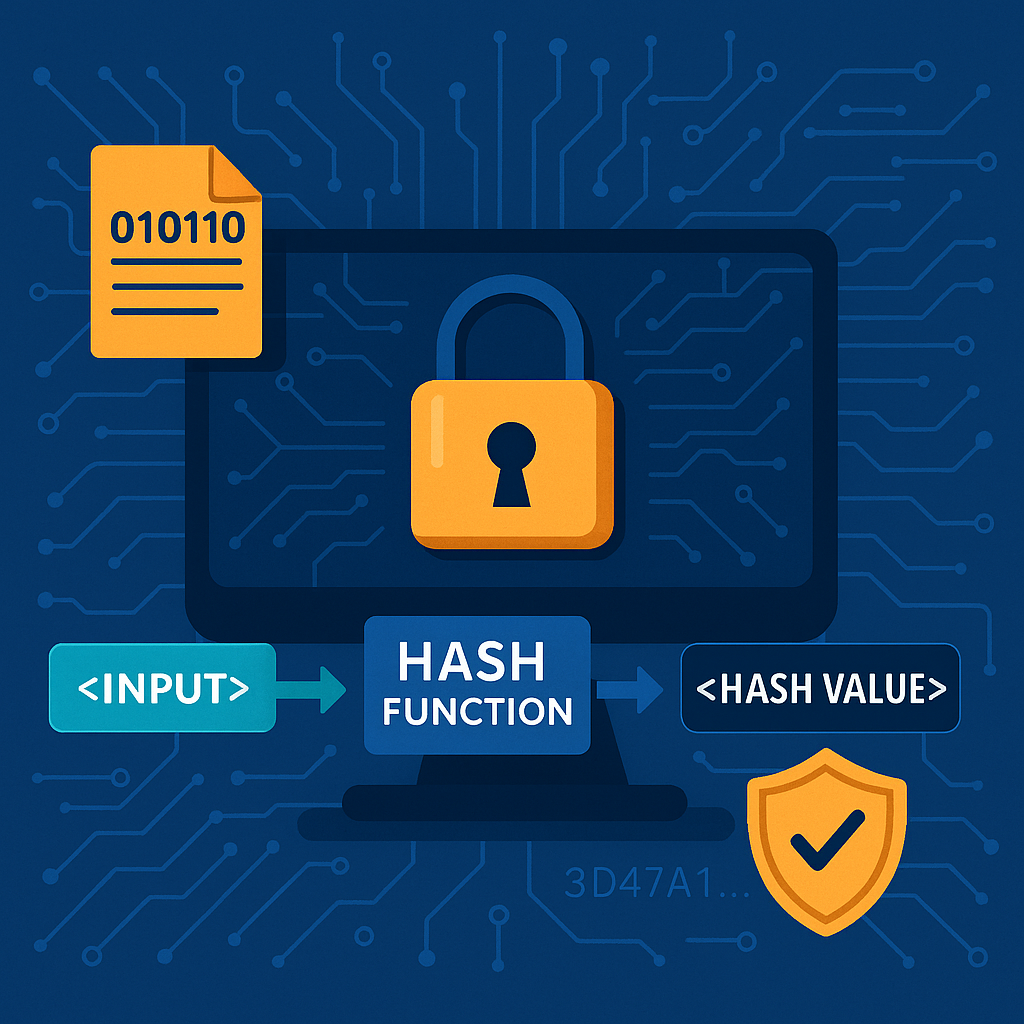
AES encryption is a symmetric block cipher used to secure data by converting readable information (plaintext) into unreadable data (ciphertext). Only someone with the correct decryption key can restore the original information, ensuring confidentiality and security.
AES was established by NIST in 2001 and replaced older, weaker methods like DES. Today, it’s the most widely adopted encryption algorithm worldwide.
Why AES Encryption Became the Global Standard
Before diving into how AES encryption works, it helps to understand why it rose to dominance.
1. Military-Grade Security
AES supports 128-bit, 192-bit, and 256-bit keys.
AES-256 is often called “military-grade encryption” due to its strength.
2. Extremely Fast and Efficient
AES is optimized for:
-
Cloud computing
-
Hardware acceleration
-
Encrypted communications
-
Embedded devices
3. Resistant to Brute-Force Attacks
Modern computers would need billions of years to break AES-256 by brute force.
4. Globally Recognized
Used in:
-
Government agencies
-
Financial institutions
-
VPNs
-
Zero Trust environments
5. Versatile Across Technologies
AES protects:
-
Emails
-
Endpoints
-
Databases
-
IoT devices
-
Mobile apps
-
Cloud environments
How AES Encryption Works
AES is a symmetric encryption method, meaning the same key is used for both encryption and decryption. This is different from asymmetric (public/private key) systems like RSA.
AES follows a structured process involving transformations performed on blocks of data.
AES Block Size and Key Sizes
AES always encrypts data in fixed 128-bit blocks, but supports different key lengths:
| AES Version | Key Length | Number of Rounds | Security Level |
|---|---|---|---|
| AES-128 | 128-bit | 10 rounds | Strong |
| AES-192 | 192-bit | 12 rounds | Very Strong |
| AES-256 | 256-bit | 14 rounds | Ultra-Strong |
Core AES Operations
AES transforms plaintext into ciphertext using four main steps:
1. SubBytes
Substitutes each byte using a cryptographic substitution table (S-Box).
2. ShiftRows
Shifts rows in the data matrix to create diffusion and eliminate patterns.
3. MixColumns
Mixes the data within each column mathematically, further scrambling content.
4. AddRoundKey
XORs the block with a round key derived from the main encryption key.
These steps repeat for multiple rounds depending on the key length.
AES Encryption Modes: How AES Is Used in Real Systems
AES by itself is a cipher—but the mode of operation determines how AES secures variable-length data.
1. CBC (Cipher Block Chaining)
-
Most traditional AES mode
-
Requires an IV (Initialization Vector)
-
Secure but not ideal for parallel processing
2. GCM (Galois/Counter Mode)
Widely used in:
-
VPNs
-
TLS
-
Secure cloud communication
Benefits:
-
Authenticated encryption
-
High speed
-
Excellent security
3. CTR (Counter Mode)
Turns AES into a stream cipher—very fast and parallelizable.
4. ECB (Electronic Codebook)
Not recommended due to pattern leakage.
5. XTS Mode
Primarily used in disk encryption.
What Makes AES Encryption So Secure?
AES is trusted globally due to several security-enhancing characteristics:
1. Strong Key Lengths
AES-256 offers 2^256 possible key combinations—impossible to brute force.
2. Nonlinear Transformations
S-Box operations provide strong resistance to:
-
Differential attacks
-
Linear cryptanalysis
3. No Known Effective Attacks
AES has undergone decades of public and academic scrutiny.
4. Performance at Scale
AES is fast even with large datasets, making it ideal for cloud computing, VPN tunnels, and endpoint protection tools.
AES Encryption Use Cases Across Industries
AES is everywhere—even if most users don’t realize it.
1. Cybersecurity Platforms and Endpoint Protection
AES secures:
-
Threat intelligence transfers
-
Agent communication
-
Local file encryption
-
Containerized workloads
Solutions like Xcitium rely on AES to secure endpoint telemetry and data.
2. Cloud Encryption
Used in:
-
AWS KMS
-
Azure Key Vault
-
Google Cloud KMS
Encrypts: -
S3 buckets
-
Virtual machine disks
-
Key stores
3. Email Encryption
AES protects emails in:
-
Microsoft 365
-
Google Workspace
-
Secure email gateways
4. VPN and Secure Communication Tools
AES-256 GCM is the standard for:
-
IPSec
-
SSL/TLS
-
OpenVPN
-
WireGuard
5. Mobile Apps and IoT
IoT devices use AES for:
-
Secure firmware
-
Device authentication
-
Data transmission
6. Data Storage
AES protects:
-
Hard drives
-
SSDs
-
Databases
-
Backup archives
Solutions like BitLocker and FileVault depend on AES-XTS mode.
Benefits of AES Encryption
AES encryption delivers powerful advantages for businesses and IT leaders:
1. Strongest Industry-Standard Protection
Meets requirements for:
-
GDPR
-
HIPAA
-
PCI-DSS
-
FINRA
2. High Speed
Ideal for real-time encryption at scale.
3. Flexible Usage
Works on:
-
CPUs
-
Hardware chips
-
Cloud servers
-
Embedded devices
4. Low Risk of Vulnerabilities
AES is mathematically sound with no practical attacks discovered.
Limitations of AES Encryption
AES is powerful but not perfect.
1. Key Management Challenges
If the encryption key is stolen, AES becomes useless.
Solution:
Use a hardware security module (HSM) or cloud KMS.
2. Susceptible to Side-Channel Attacks
If implemented poorly, AES can leak information through:
-
Timing
-
Power usage
-
Electromagnetic signals
3. Secure Implementation Required
Weak encryption modes (like ECB) reduce security.
AES Encryption vs. Other Encryption Methods
| Feature | AES | RSA | DES |
|---|---|---|---|
| Type | Symmetric | Asymmetric | Symmetric |
| Key Length | 128, 192, 256 | 1024–4096 | 56 |
| Speed | Very Fast | Slow | Weak |
| Security | Very High | High | Broken |
AES is best for bulk data encryption.
RSA is ideal for key exchange and digital signatures.
Best Practices for Using AES Encryption Securely
To maximize security, organizations should follow these guidelines:
1. Always Use AES-256 GCM
Provides authenticated encryption and strong protection.
2. Protect Keys in Secure Hardware
Use:
-
HSMs
-
TPM chips
-
Cloud KMS
3. Rotate Keys Regularly
Prevents long-term exposure.
4. Avoid ECB Mode
ECB leaks data patterns.
5. Use TLS 1.3
Ensures modern cryptography during data transmission.
6. Combine AES with Zero Trust Security
Apply identity controls alongside encryption.
Future of AES Encryption
AES will continue evolving as security requirements grow.
1. Quantum-Resistant Cryptography
AES-256 is considered quantum-safe for now, but organizations must prepare for post-quantum standards.
2. Increased Use in Edge Computing
Endpoints and IoT devices rely heavily on AES for local encryption.
3. Enhanced Hardware Acceleration
CPUs and GPUs are optimizing for AES workloads.
4. Hybrid Encryption Models
Combining symmetric and asymmetric encryption for stronger protocols.
Frequently Asked Questions (FAQ)
1. What is AES encryption used for?
AES encrypts data in cloud systems, endpoints, emails, VPNs, databases, and secure communications.
2. Is AES-256 unbreakable?
AES-256 is considered computationally impossible to brute-force with current technology.
3. What’s the difference between AES-128 and AES-256?
AES-256 has a longer key and more rounds, making it more secure but slightly slower.
4. Who uses AES encryption?
Governments, military, banks, hospitals, cybersecurity companies, and big tech.
5. Is AES encryption the same as end-to-end encryption?
AES is part of end-to-end encryption, but E2EE also involves key exchange protocols like RSA or Diffie-Hellman.
Final Thoughts
Understanding what AES encryption is is essential for any organization that handles sensitive information or operates online. AES has become the industry gold standard because it offers exceptional speed, unmatched security, and broad applicability across systems, networks, and devices.
Whether you’re protecting cloud data, securing endpoints, or implementing Zero Trust architecture, AES remains a foundational element of modern cybersecurity.
👉 Ready to strengthen your cybersecurity posture with advanced protection?
Request a demo today: https://www.xcitium.com/request-demo/