What is ITSM? A Complete Guide to IT Service Management
Updated on July 16, 2025, by Xcitium
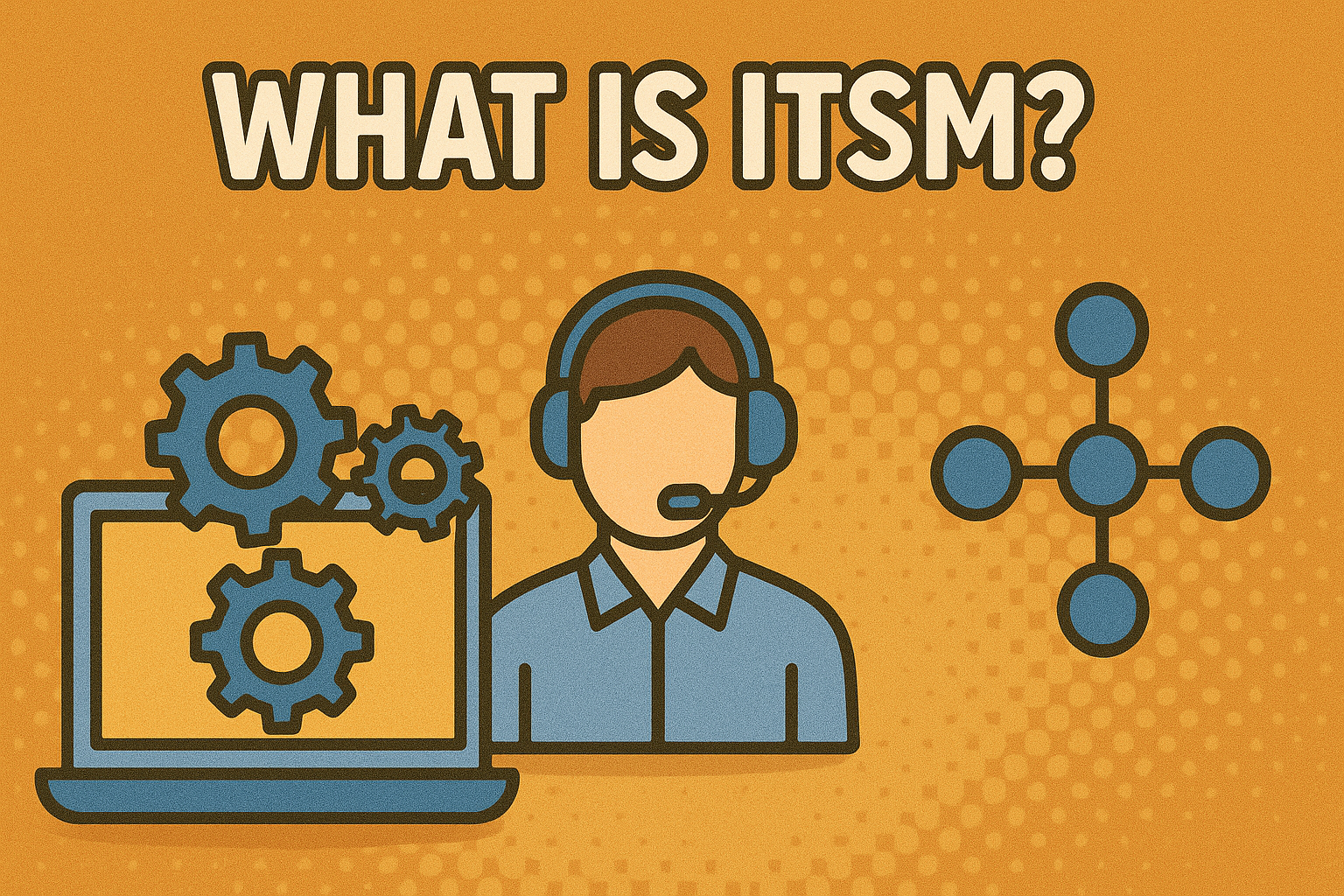
In today’s digital landscape, businesses rely heavily on IT to operate efficiently and deliver exceptional service. But how do IT departments manage, streamline, and improve their services? That’s where ITSM (IT Service Management) comes into play.
If you’ve ever wondered “what is ITSM” or how it differs from ITIL, this post will explain everything you need to know — from tools and certifications to processes and frameworks. Whether you’re a CEO, IT Manager, or cybersecurity professional, this guide will help you understand how ITSM can transform your organization’s IT operations.
What is ITSM?
ITSM stands for Information Technology Service Management. It refers to how IT teams plan, deliver, manage, and improve the IT services they provide to end-users. Unlike ad hoc or reactive IT support, ITSM takes a structured, process-driven approach to service management.
ITSM Definition (in simple terms):
“ITSM is the discipline that ensures IT services align with the needs of the business and delivers value to customers.”
From setting up laptops to handling cybersecurity incidents, ITSM governs everything IT does — but with accountability, consistency, and measurable improvements.
How Does ITSM Work?
ITSM works by defining and enforcing standardized processes across all service-related activities. These processes typically follow a lifecycle that includes:
- Service Strategy
- Service Design
- Service Transition
- Service Operation
- Continual Service Improvement (CSI)
This lifecycle ensures services are aligned with business goals, delivered efficiently, and continuously improved.
What is the ITSM Framework?
A framework provides the structure and best practices for implementing ITSM. The most popular and widely adopted framework is ITIL (Information Technology Infrastructure Library).
ITSM vs ITIL: What’s the Difference?
- ITSM is the practice or approach to managing IT services.
- ITIL is a framework within ITSM that provides guidelines and processes for executing ITSM efficiently.
Think of ITSM as the “what,” and ITIL as the “how.”
Other frameworks include:
- COBIT
- ISO/IEC 20000
- MOF (Microsoft Operations Framework)
What Are ITSM Tools?
ITSM tools are software platforms designed to help IT teams execute ITSM processes effectively.
Popular ITSM Tools Include:
- ServiceNow
- BMC Helix ITSM
- Freshservice
- Jira Service Management
- Ivanti
- ManageEngine ServiceDesk Plus
These tools offer features like:
- Incident management
- Change management
- Asset and configuration management
- Knowledge bases
- SLA tracking and reporting
The goal is to streamline service delivery, reduce downtime, and enhance the user experience.
What is ITSM Certification?
For individuals and organizations looking to build expertise in ITSM, certifications are a vital step.
Common ITSM Certifications:
- ITIL v4 Foundation – Entry-level certification covering ITSM basics
- ISO/IEC 20000 Certification – Focuses on IT service quality standards
- Certified Service Management Professional (CSMP)
- Microsoft Certified: Modern Desktop Administrator
These certifications validate knowledge in ITSM concepts, frameworks, and tool proficiency, making them valuable for career advancement.
ITSM Process: Key Components
Here are core ITSM processes organizations typically implement:
1. Incident Management
Restore service operation quickly and minimize impact.
2. Problem Management
Find root causes and prevent recurring incidents.
3. Change Management
Manage IT changes efficiently while minimizing risk.
4. Asset & Configuration Management
Track hardware/software assets and their configurations.
5. Service Request Management
Handle routine service requests (password resets, hardware setup, etc.).
6. Knowledge Management
Create a knowledge base for quicker resolution and self-service.
ITSM Examples in Real Life
Scenario 1: Password Reset
Employee requests a password reset via self-service portal. ITSM handles the request automatically and logs the event.
Scenario 2: Software Upgrade
IT initiates a change management process for company-wide software upgrade. All risks are assessed, approvals gathered, and updates deployed systematically.
Scenario 3: Security Breach
An intrusion is detected. ITSM incident management is triggered, a playbook is followed, and the issue is escalated to the security team.
These examples show how ITSM enables proactive, structured service delivery in cybersecurity, compliance, and productivity.
Benefits of Implementing ITSM
✅ Improved service quality
✅ Faster issue resolution
✅ Clear accountability and transparency
✅ Reduced IT costs through automation
✅ Enhanced cybersecurity posture
✅ Higher customer satisfaction
✅ Support for remote/hybrid work environments
Frequently Asked Questions (FAQ)
1. What is ITSM and ITIL?
ITSM is the practice of managing IT services, while ITIL is a widely used framework for implementing ITSM.
2. What are ITSM tools?
These are platforms like ServiceNow, Jira, and Freshservice that automate ITSM processes such as incident and change management.
3. What is the ITSM framework?
It’s a structure (usually ITIL-based) that outlines how IT services are designed, delivered, and improved.
4. How is ITSM different from traditional IT support?
Traditional IT support is reactive. ITSM is proactive, process-driven, and focused on continuous improvement.
5. Is ITSM useful for small businesses?
Absolutely. ITSM scales well and helps SMBs optimize IT operations and enhance cybersecurity, even with smaller teams.
Final Thoughts: ITSM is the Backbone of Modern IT
Understanding what is ITSM is crucial in today’s tech-driven world. Whether you’re adopting a framework like ITIL or implementing a custom strategy, ITSM ensures your IT services are aligned with business goals, secure, and reliable.
🛡️ Want to secure and streamline your IT operations even further?
👉 Request a Free Demo from Xcitium to see how our solutions can support your ITSM strategy and cybersecurity needs.